How Automatic Watch Movement Works? Learn More!
Have you ever wondered how automatic watch movement works? If you’re curious about the intricacies of this timeless timekeeping technology, you’ve come to the right place. In this article, we’ll delve into the fascinating world of automatic watches and how they operate. Get ready to learn more about the inner workings of these remarkable timepieces!
Contents
- – Understanding the Basics of Automatic Watch Movement
- – The Intricate Inner Workings of an Automatic Watch
- – Exploring the Components that Make Automatic Watches Tick
- – How Gravity and Motion Play a Role in Automatic Watch Movement
- – The Importance of Proper Maintenance for Automatic Watches
- – Comparing Automatic Movement to Quartz Movement
- – Tips on Wearing and Using Automatic Watches
- – Debunking Common Myths About Automatic Watch Movement
- Closing Remarks
– Understanding the Basics of Automatic Watch Movement
Automatic watch movement is a fascinating mechanism that powers the watch without the need for manual winding. Understanding how automatic watch movement works can give you a deeper appreciation for the craftsmanship behind these timepieces.
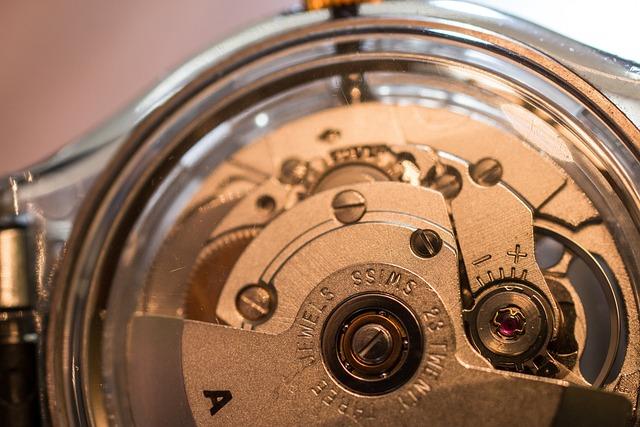
The basic principle behind automatic watch movement is the use of a rotor. This rotor is connected to the movement of your wrist, so as you move throughout the day, the rotor spins and winds the mainspring. The mainspring is the energy source of the watch, storing the energy needed to power the watch.
As the mainspring unwinds, it releases energy that drives the movement of the watch, including the gears, escapement, and hands. This continuous process of winding and unwinding the mainspring is what keeps the watch running smoothly and accurately.
By understanding the basics of automatic watch movement, you can see how every component works together to create a precise and reliable timepiece. Whether you’re a watch enthusiast or just curious about the mechanics behind your watch, learning about automatic watch movement is sure to spark your interest.

– The Intricate Inner Workings of an Automatic Watch
Automatic watches are marvels of engineering, with intricate inner workings that keep time seamlessly without the need for a battery. At the heart of an automatic watch is its movement, which powers the timekeeping functions of the watch. Let’s delve into how automatic watch movement works and gain a deeper understanding of this fascinating technology.
Automatic watch movement is driven by a rotor, a half-moon shaped metal weight that rotates with the movement of the wearer’s arm. This rotor winds the mainspring, which stores the energy needed to power the watch. As the mainspring unwinds, it drives a series of gears that regulate the movement of the hands on the dial, keeping time accurately.
One of the key components of automatic watch movement is the escapement, which controls the release of energy from the mainspring in precise increments. The escapement consists of a pallet fork and an escape wheel, which work together to regulate the movement of the gear train and ensure that the watch hands move at the correct speed.
Overall, the intricate interplay of gears, springs, and levers in an automatic watch movement is a testament to the craftsmanship and precision engineering that goes into creating these timeless timepieces. Whether you’re a watch enthusiast or simply curious about the mechanics of automatic watches, understanding how automatic watch movement works can deepen your appreciation for these intricate pieces of art.

– Exploring the Components that Make Automatic Watches Tick
Automatic watches are complex timepieces that rely on a series of intricate components to keep time accurately without the need for manual winding. These watches are powered by the movement of the wearer’s wrist, which causes a rotor inside the watch to spin and transfer energy to the mainspring.
The mainspring is a tightly coiled spring that stores energy and releases it in a controlled manner to power the watch movement. As the mainspring unwinds, it drives the gear train, which in turn moves the hands of the watch and powers additional complications such as date displays and moon phase indicators.
Some key components that make automatic watches tick include:
- Rotor: A small weight inside the watch that spins with the movement of the wrist.
- Mainspring: A coiled spring that stores energy and powers the watch movement.
- Gear Train: A series of gears that transmit power from the mainspring to the hands of the watch.
- Escapement: Regulates the release of energy from the mainspring to ensure accurate timekeeping.
| Component | Function |
|---|---|
| Rotor | Transfers energy from wrist movement to mainspring. |
| Mainspring | Stores and releases energy to power watch movement. |
| Gear Train | Transmits power from mainspring to watch hands. |
| Escapement | Regulates release of energy for accurate timekeeping. |

– How Gravity and Motion Play a Role in Automatic Watch Movement
Gravity and motion play crucial roles in the functioning of automatic watch movement. When it comes to gravity, this force affects the balance wheel of the watch, which is the regulating organ responsible for maintaining accurate timekeeping. As the watch moves throughout the day, changes in position can cause variations in how gravity affects the balance wheel, leading to potential inaccuracies in timekeeping.
To counteract the effects of gravity, watchmakers have developed various mechanisms within automatic watches. One such mechanism is the tourbillon, which is a rotating cage that houses the escapement and balance wheel. The tourbillon constantly rotates, averaging out the effects of gravity on the balance wheel to ensure more accurate timekeeping.
Motion also plays a significant role in automatic watch movement. The motion of the wearer’s wrist winds the mainspring of the watch, storing energy that is released gradually to power the watch’s movement. This continuous motion keeps the watch running without the need for manual winding, making automatic watches convenient and low maintenance.
By understanding how gravity and motion impact automatic watch movement, watch enthusiasts can better appreciate the intricate engineering and craftsmanship that go into creating these timepieces. Whether you are a seasoned collector or a newcomer to the world of watches, learning about these factors can deepen your understanding and enjoyment of automatic watch technology.
– The Importance of Proper Maintenance for Automatic Watches
Automatic watches are a marvel of engineering, powered by the natural motion of the wearer’s wrist. The movement of an automatic watch is made up of intricate gears and springs that work together to keep time accurately. Understanding how this movement works is key to appreciating the craftsmanship that goes into these timepieces.
An automatic watch movement consists of a rotor that rotates with the motion of the wearer’s wrist, winding the mainspring and storing energy. This energy is then released in a controlled manner by the escapement, regulating the movement of the hands on the watch dial. This precise synchronization of components is what allows the watch to keep accurate time.
Proper maintenance of automatic watches is essential to ensure their longevity and accuracy. Regular servicing by a skilled watchmaker can prevent issues such as lubrication drying out, gears becoming misaligned, or parts wearing out prematurely. By keeping your automatic watch in top condition, you can enjoy its beauty and functionality for years to come.
Remember, a well-maintained automatic watch is not just a timekeeping device, but a piece of art that deserves to be cherished and cared for. By understanding how the movement works and the importance of proper maintenance, you can ensure that your automatic watch remains a reliable companion for many years.

– Comparing Automatic Movement to Quartz Movement
Automatic movement and quartz movement are two popular types of watch movements that power timepieces in different ways. Let’s take a look at how these two movements compare:
Automatic Movement:
- Operates using the movement of the wearer’s wrist to keep the watch wound.
- Contains a rotor that spins with wrist movement, winding the watch’s mainspring.
- Requires regular wear or a watch winder to stay powered.
Quartz Movement:
- Uses a battery to send an electric current through a quartz crystal to keep time.
- Requires minimal maintenance and is known for its accuracy.
- Does not rely on wrist movement to stay powered.
| Feature | Automatic Movement | Quartz Movement |
|---|---|---|
| Power Source | Motion of wearer’s wrist | Battery |
| Maintenance | Regular wear or watch winder | Minimal |
| Accuracy | Can vary based on wear | Highly accurate |
Both automatic and quartz movements have their own advantages and appeal to different types of watch enthusiasts. Whether you prefer the traditional feel of an automatic watch or the precision of a quartz watch, understanding how each movement works can help you appreciate the craftsmanship that goes into creating a timepiece.

– Tips on Wearing and Using Automatic Watches
Automatic watches are fascinating timepieces that operate without the need for a battery. Instead, they rely on the movement of the wearer’s wrist to keep the watch running. This is made possible by a rotor inside the watch that spins with the movement of the wrist, winding the mainspring that powers the watch.
It’s important to wear your automatic watch regularly to ensure it stays wound. If you don’t wear it for an extended period, the watch may stop running. To keep your automatic watch running smoothly, consider investing in a watch winder, a device that rotates the watch to keep it wound when not in use.
When setting the time on your automatic watch, avoid adjusting the time between the hours of 9:00 PM and 3:00 AM. This is when the date changeover process typically occurs, and adjusting the time during this period can put unnecessary strain on the movement. Instead, set the time outside of this timeframe to preserve the longevity of your watch.
To ensure your automatic watch stays accurate, consider having it serviced by a professional watchmaker every 3-5 years. During a service, the watch will be cleaned, lubricated, and inspected for any issues that may affect its performance. Regular maintenance is key to keeping your automatic watch running smoothly for years to come.
– Debunking Common Myths About Automatic Watch Movement
There are several common myths and misconceptions about automatic watch movement that need to be debunked. Let’s clear up any confusion and learn more about how this fascinating mechanism works.
One common myth is that automatic watches never need to be wound. While it’s true that automatic watches are powered by the natural motion of the wearer’s arm, they still require occasional winding to keep accurate time.
Another myth is that automatic watches are less accurate than quartz watches. In reality, automatic watches are highly accurate timepieces that can rival the precision of quartz watches.
It’s also a misconception that automatic watches are delicate and fragile. In fact, automatic watches are built to withstand everyday wear and tear, making them durable and reliable timepieces.
Closing Remarks
In conclusion, automatic watch movement is a fascinating and intricate mechanism that powers some of the most iconic timepieces in the world. By understanding how automatic watches work, you can appreciate the craftsmanship and engineering that goes into each timepiece. Remember that automatic watches require regular wear or winding to stay powered, and the movement of your wrist is what keeps them ticking. So next time you glance at your wrist to check the time, take a moment to appreciate the marvel of automatic watch movement. Happy timekeeping!
Get our latest guides, news, and insights highlighted in your Google Search & AI Overviews.