
How Do I Get My Apple Watch to Lock Automatically? Find Out!
Have you ever wondered how to ensure your Apple Watch locks automatically for added security? Look no further! In this article, we will guide you through the simple steps to set up your Apple Watch to lock automatically, giving you peace of mind knowing your information is protected. Let’s dive in and get your Apple Watch secured in no time!
Contents
- How to Enable the Auto-Lock Feature on Your Apple Watch
- Understanding the Security Benefits of Auto-Lock on Your Apple Watch
- Troubleshooting Common Issues with Auto-Lock Functionality
- Ensuring Privacy and Security with Auto-Lock Enabled
- Tips for a Seamless Transition to Auto-Lock on Your Apple Watch
- Personalizing Your Auto-Lock Preferences for Optimal User Experience
- Key Takeaways
How to Enable the Auto-Lock Feature on Your Apple Watch
To enable the Auto-Lock feature on your Apple Watch, follow these simple steps:
- Open the Settings app on your Apple Watch.
- Scroll down and tap on “Passcode”.
- Enter your passcode if required.
- Toggle the switch next to “Unlock with iPhone” to enable this feature.
By enabling the Auto-Lock feature, your Apple Watch will automatically lock whenever you take it off your wrist. This adds an extra layer of security to your device and helps protect your data in case your watch is lost or stolen.
You can also adjust the duration before your Apple Watch locks by following these steps:
- Open the Settings app on your Apple Watch.
- Tap on “Passcode”.
- Select “Wrist Detection”.
- Toggle the switch next to “Unlock with iPhone” to adjust the time before your Apple Watch locks.
With these simple steps, you can ensure that your Apple Watch is secure and your data is protected at all times.

Understanding the Security Benefits of Auto-Lock on Your Apple Watch
One of the key features of the Apple Watch that often goes unnoticed is the auto-lock function. This feature is designed to enhance the security of your device by automatically locking it when you are not wearing it or when it is removed from your wrist. can help you safeguard your personal information and sensitive data.
By enabling auto-lock on your Apple Watch, you can prevent unauthorized access to your device and ensure that your information remains secure. This feature adds an extra layer of protection to your smartwatch, making it more difficult for anyone to access your data without your permission. Additionally, auto-lock can help you locate your device if it is lost or stolen, as it will automatically lock itself when removed from your wrist.
Setting up auto-lock on your Apple Watch is a simple process that can be done in just a few easy steps. To enable this feature, simply go to the settings menu on your watch, select Passcode, and turn on the Wrist Detection option. Once this feature is activated, your Apple Watch will automatically lock itself whenever it is removed from your wrist, providing you with peace of mind and added security.

Troubleshooting Common Issues with Auto-Lock Functionality
One common issue with the auto-lock functionality on the Apple Watch is that it may not be locking automatically as expected. This can be frustrating, especially if you rely on the feature to secure your device. Fortunately, there are a few troubleshooting steps you can take to get your Apple Watch to lock automatically.
First, check your settings to ensure that the auto-lock feature is enabled. To do this, go to the “Settings” app on your Apple Watch, then select “Passcode” and make sure that the “Unlock with iPhone” and “Wrist Detection” options are turned on.
If the settings are correct and your Apple Watch still isn’t locking automatically, try restarting the device. Sometimes a simple restart can resolve software glitches that may be preventing the auto-lock feature from working properly. To restart your Apple Watch, press and hold the side button until you see the Power Off slider, then drag it to the right to turn off your device. Once it’s off, press and hold the side button again until the Apple logo appears.
If the issue persists after restarting your Apple Watch, you may need to unpair and repair it with your iPhone. This can help to reset the connection between the two devices and resolve any underlying issues that may be causing the auto-lock problem. To unpair your Apple Watch, open the ”Watch” app on your iPhone, go to the “My Watch” tab, select your watch at the top of the screen, then tap the information icon next to it and choose “Unpair Apple Watch.” Follow the on-screen instructions to complete the unpairing process, then pair your Apple Watch with your iPhone again.
By following these troubleshooting steps, you should be able to resolve common issues with the auto-lock functionality on your Apple Watch and get it to lock automatically as desired.
Ensuring Privacy and Security with Auto-Lock Enabled
To enable auto-lock on your Apple Watch, follow these simple steps:
– Go to the Settings app on your Apple Watch.
– Tap on Passcode.
– Enable the Passcode if you haven’t already.
– Scroll down and toggle on the “Unlock with iPhone” option.
By enabling auto-lock, you can ensure that your Apple Watch locks automatically when you are not using it, providing an extra layer of security for your personal data. This feature is especially useful if you tend to forget to manually lock your device. Your privacy and security are important, so make sure to take advantage of the auto-lock feature on your Apple Watch.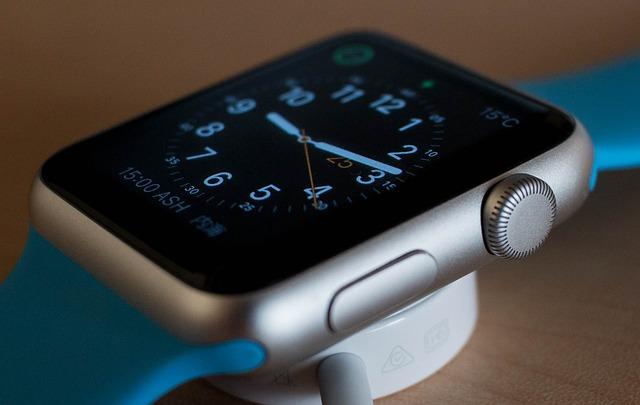
Tips for a Seamless Transition to Auto-Lock on Your Apple Watch
One of the most convenient features of the Apple Watch is the ability to automatically lock the screen when you’re not using it. This not only helps to preserve battery life, but also adds an extra layer of security to your device. If you’ve been wondering how to enable this feature on your Apple Watch, you’ve come to the right place!
To ensure a seamless transition to auto-lock on your Apple Watch, follow these simple tips:
- First, make sure your Apple Watch is updated to the latest software version. This will ensure that you have access to all the latest features and improvements.
- Next, go to the Settings app on your Apple Watch and navigate to the Passcode section. Here, you can enable the ”Wrist Detection” feature, which will automatically lock your Apple Watch when you take it off.
- Additionally, you can customize the auto-lock time in the Display & Brightness settings. Choose a timeframe that works best for you, whether it’s 15 seconds or a minute.
By following these tips, you can enjoy the convenience and security of auto-lock on your Apple Watch without any hassle. Say goodbye to constantly having to manually lock your device and hello to a more seamless user experience!

Personalizing Your Auto-Lock Preferences for Optimal User Experience
One of the convenient features of the Apple Watch is its auto-locking function, which helps keep your device secure when not in use. To personalize your auto-lock preferences for optimal user experience, follow these simple steps:
**Adjusting Auto-Lock Settings:**
– Open the Settings app on your Apple Watch.
– Scroll down and tap on Passcode.
- Select the option for “Unlock with iPhone” to enable automatic locking when you take your watch off.
– Choose a suitable duration for the auto-lock feature, such as 2 minutes or immediately, depending on your preferences.
**Using Apple Watch Faces:**
– Certain watch faces have complications that can trigger the auto-lock function, such as the Infograph Modular face.
– Customize your watch face to include a complication that activates auto-lock when tapped, providing a convenient way to lock your device quickly.
**Utilizing Siri Shortcuts:**
– Create a Siri Shortcut to lock your Apple Watch with a voice command, making it even easier to secure your device.
– Access the Shortcuts app on your iPhone to set up a personalized command for locking your watch on the go.
By customizing your auto-lock preferences on your Apple Watch, you can enhance your user experience and ensure the security of your device. Experiment with different settings and features to find the optimal setup that works best for you.
Key Takeaways
In conclusion, ensuring your Apple Watch locks automatically is simple and essential for keeping your device secure. By following the steps outlined in this article, you can easily set up your watch to lock automatically when not in use. Remember to enable passcode and wrist detection for added security. With these measures in place, you can have peace of mind knowing that your Apple Watch is protected from unauthorized access. Stay informed, stay safe, and enjoy your Apple Watch experience to the fullest!
Get our latest guides, news, and insights highlighted in your Google Search & AI Overviews.