Unlock Precision: Automatic Watch Accuracy Test Explained
Precision is key when it comes to timepieces, especially automatic watches. Ever wondered how accurate your watch really is? Unlock the secrets behind automatic watch accuracy tests in our comprehensive guide. From understanding chronometer ratings to demystifying COSC certification, we’ve got you covered. Join us as we delve into the world of precision timekeeping and gain a deeper insight into the mechanisms that keep your watch ticking with perfect timing.
Contents
- Understanding the Importance of Automatic Watch Accuracy
- Exploring the Factors Influencing Watch Precision
- Factors Affecting Watch Precision
- The Process of Conducting an Automatic Watch Accuracy Test
- Interpreting the Results of an Automatic Watch Accuracy Test
- Tips for Improving the Accuracy of Your Automatic Watch
- Common Issues That Affect Automatic Watch Accuracy
- Comparing Automatic Watch Accuracy Across Brands
- Utilizing Technology for Automatic Watch Accuracy Testing
- Introduction
- Seeking Professional Assistance for Watch Accuracy Concerns
- The Conclusion
Understanding the Importance of Automatic Watch Accuracy
When it comes to automatic watches, accuracy is key. A watch that keeps accurate time not only ensures that you arrive on time for important appointments but also reflects the craftsmanship and precision of the timepiece. can help you appreciate the intricate mechanisms that power these mechanical marvels.
Related: Mechanical Watch Accuracy Test: Assessing Precision in Timekeeping
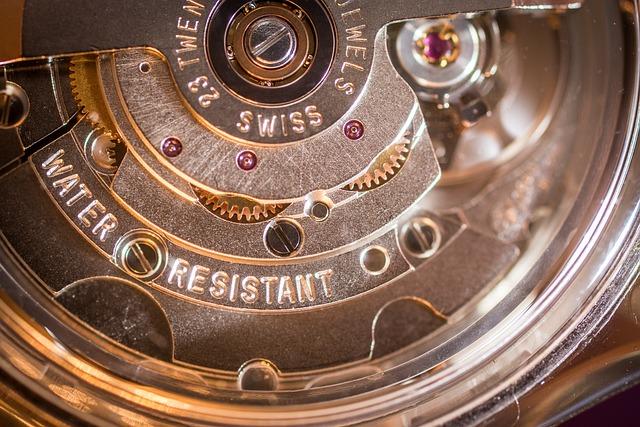
One of the main factors that affect the accuracy of an automatic watch is its movement. The movement of a watch refers to the internal mechanism that powers the timekeeping functions. Automatic watches use a complex system of gears, springs, and regulators to keep time accurately. A high-quality movement can result in exceptional accuracy, while a lower-quality movement may lead to inconsistencies in timekeeping.
Regular maintenance and servicing of automatic watches are crucial to ensuring their accuracy. Over time, the components of a watch can wear down, affecting its ability to keep time accurately. By having your automatic watch serviced by a professional watchmaker, you can ensure that it continues to function at its best and maintain its accuracy for years to come.

Exploring the Factors Influencing Watch Precision
Factors Affecting Watch Precision
When it comes to the accuracy of automatic watches, there are several key factors that can influence their precision. It’s essential to understand these variables to ensure your timepiece is keeping time as accurately as possible. Here are some of the main factors influencing watch precision:
- Movement Type: The type of movement in a watch, whether it’s mechanical, quartz, or automatic, can significantly impact its precision. Automatic watches, for example, rely on the movement of your wrist to stay wound, which can affect their accuracy.
- Regulation: Proper regulation of a watch involves adjusting its balance wheel to ensure it beats at a consistent rate. This can help improve the accuracy of a watch and compensate for any variations in timekeeping.
- Temperature and Environment: Changes in temperature and the environment can also affect a watch’s precision. Extreme temperatures or exposure to magnetic fields can cause a watch to run fast or slow.
- Quality of Components: The quality of the components used in a watch, such as the balance spring, escapement, and rotor, can also impact its precision. High-quality materials and craftsmanship can result in a more accurate timepiece.
| Factor | Impact |
|---|---|
| Movement Type | Significantly affects accuracy |
| Regulation | Improves timekeeping consistency |
| Temperature and Environment | Can cause variations in timekeeping |
| Quality of Components | Affects overall precision |

The Process of Conducting an Automatic Watch Accuracy Test
When it comes to ensuring the accuracy of your automatic watch, conducting a thorough watch accuracy test is essential. By following a few simple steps, you can unlock the precision of your timepiece and ensure that it is keeping accurate time.
To begin the process, you will need a watch timing machine, which will allow you to measure the accuracy of your watch to the nearest second. This sophisticated device will provide you with detailed information about how your watch is performing, including its rate of gain or loss.
Next, carefully place your watch on the timing machine and allow it to run for at least 24 hours. During this time, the machine will track the accuracy of your watch and provide you with a detailed report of its performance. This data will help you understand how precise your watch is and whether any adjustments need to be made.
By following this simple process, you can ensure that your automatic watch is performing at its best and keeping accurate time. Regular accuracy tests are essential for maintaining the precision of your timepiece and ensuring that it continues to provide you with reliable timekeeping.

Interpreting the Results of an Automatic Watch Accuracy Test
After conducting an automatic watch accuracy test, it is crucial to interpret the results accurately to understand the performance of your timepiece. Here are key factors to consider when analyzing the data:
- Variation in Rate: Look for consistency in the watch’s accuracy over time. If the rate of deviation fluctuates significantly, it may indicate a problem with the movement.
- Average Gain or Loss: Calculate the average daily gain or loss of the watch. A consistent pattern of gaining or losing time can help identify any adjustment needed.
- Beat Error: Check the beat error measurement to ensure the proper functioning of the balance wheel. A higher beat error can affect the watch’s accuracy.
| Factor | Interpretation |
|---|---|
| Variation in Rate | Consistent rate = good, fluctuating rate = potential issue |
| Average Gain/Loss | Identify pattern for adjustment |
| Beat Error | Lower beat error = better accuracy |
By paying attention to these factors, you can gain insights into the performance of your automatic watch and make informed decisions on maintenance or adjustments. Remember, accuracy is key to enjoying the precision and reliability of your timepiece.

Tips for Improving the Accuracy of Your Automatic Watch
Having a reliable and precise automatic watch is crucial for timekeeping accuracy. Here are some tips to help you ensure that your automatic watch is running as accurately as possible:
- Regular Maintenance: Make sure to service your watch every 3-5 years to keep it in optimal working condition.
- Proper Storage: Store your watch in a watch winder or keep it in a cool, dry place when not in use to prevent accuracy issues.
- Time Calibration: If you notice your watch is running fast or slow, consider adjusting the time to improve accuracy.
| Tip | Description |
| Regular Maintenance | Service your watch every few years to ensure precision. |
| Proper Storage | Keep your watch in optimal conditions to maintain accuracy. |
| Time Calibration | Adjust the time if your watch is running fast or slow. |
By following these tips, you can unlock precision and ensure that your automatic watch is running with the utmost accuracy. Remember, a well-maintained watch will not only keep you on time but also last for generations to come.

Common Issues That Affect Automatic Watch Accuracy
One common issue that can affect the accuracy of an automatic watch is magnetization. When a watch becomes magnetized, the balance spring within the movement can be disrupted, leading to inaccurate timekeeping. This can happen if the watch comes in contact with magnets in everyday objects such as cell phones, laptops, or speakers. To test if your watch is magnetized, you can use a compass. If the needle moves when the watch is near, it may be magnetized.
Another issue that can impact the accuracy of an automatic watch is incorrect calibration. Over time, the movement of the watch can become slightly off due to wear and tear. It’s important to have your watch serviced regularly by a professional to ensure it is properly calibrated. Additionally, changes in temperature and humidity can also affect the accuracy of the watch.
Water damage is another common issue that can affect the accuracy of an automatic watch. If water seeps into the movement, it can cause rust and corrosion, which can disrupt the inner workings of the watch. To prevent water damage, it’s important to ensure your watch is water-resistant and to avoid exposing it to extreme conditions.
Finally, mechanical issues such as worn-out gears or springs can also impact the accuracy of an automatic watch. If you notice your watch is consistently losing or gaining time, it may be a sign that there is a mechanical issue that needs to be addressed by a professional watchmaker.

Comparing Automatic Watch Accuracy Across Brands
When it comes to automatic watches, accuracy is a key factor that watch enthusiasts pay close attention to. Different brands offer varying levels of precision in their timepieces, making it important to compare and contrast the accuracy of automatic watches across brands. By understanding how these watches perform in terms of keeping time, you can make a more informed decision when purchasing your next timepiece.
One way to compare automatic watch accuracy across brands is to look at the movement used in each watch. The movement is the mechanism inside the watch that keeps time and drives its other functions. Some brands use in-house movements, while others may use movements from third-party manufacturers. Each type of movement can impact the accuracy of the watch, with in-house movements generally being more precise.
Additionally, factors such as the quality of materials used, the craftsmanship of the watch, and the testing processes implemented by each brand can also influence the accuracy of automatic watches. By researching and comparing these aspects across different brands, you can get a better sense of which watches offer the highest level of precision.
Overall, by delving into the world of automatic watch accuracy testing, you can unlock a deeper understanding of what sets different brands apart in terms of precision and reliability. Whether you’re a seasoned watch collector or a newcomer to the world of horology, having this knowledge at your fingertips can help you make the best choice when investing in a new timepiece.

Utilizing Technology for Automatic Watch Accuracy Testing
Introduction
When it comes to automatic watches, accuracy is key. The precision of these timepieces is what sets them apart from their quartz counterparts. But how can you ensure that your automatic watch is running as accurately as possible? The answer lies in technology-driven accuracy testing. By utilizing cutting-edge tools and software, watchmakers can now perform accurate and detailed tests to guarantee the performance of automatic watches.
The Technology Behind Automatic Watch Accuracy Testing
One of the most common methods used in automatic watch accuracy testing is the timegrapher. This device measures the rate at which a watch is gaining or losing time, allowing watchmakers to make the necessary adjustments for optimal performance. Additionally, some advanced timegraphers can even detect beat errors and amplitude, providing a comprehensive analysis of the watch’s movement.
Another technology that has revolutionized automatic watch accuracy testing is the use of computer-assisted software. This software can analyze the data collected from the timegrapher and provide detailed reports on the watch’s performance. By inputting the watch’s specifications and desired accuracy levels, watchmakers can fine-tune the movement to achieve optimal results.

Seeking Professional Assistance for Watch Accuracy Concerns
When it comes to ensuring the accuracy of your automatic watch, it is essential to seek professional assistance. If you have noticed any concerns regarding the precision of your timepiece, it is best to consult with a watch specialist who can conduct an accuracy test.
During an accuracy test, the watch technician will carefully examine the movement of your watch to identify any potential issues that may be affecting its accuracy. This can include checking for any mechanical problems, such as a misaligned gear or a worn-out component.
By , you can unlock the precision of your timepiece and ensure that it is performing at its best. Remember, regular maintenance and servicing are key to keeping your automatic watch running smoothly and accurately.
Don’t wait until your watch is completely off-track. Take proactive steps to address any accuracy concerns by consulting with a professional watch technician today.
The Conclusion
In conclusion, understanding the accuracy of your automatic watch is crucial for ensuring its performance and longevity. By conducting regular accuracy tests and calibrating your timepiece as needed, you can unlock precision and keep your watch running smoothly. Remember to consider factors such as position, temperature, and movement to get the most accurate results. With these key takeaways in mind, you can confidently maintain the accuracy of your automatic watch for years to come. Thank you for reading and happy timekeeping!
Get our latest guides, news, and insights highlighted in your Google Search & AI Overviews.