Timepiece Care: How to Charge Mechanical Watch
Have you ever wondered how to properly care for your mechanical watch to ensure it stays running smoothly? One important aspect of maintaining a mechanical timepiece is keeping it charged. In this article, we will explore the best practices for charging your mechanical watch to keep it ticking accurately and reliably. So, grab your watch and let’s dive into the world of timepiece care!
Contents
- How Mechanical Watches are Powered
- Importance of Regularly Winding Your Timepiece
- Understanding Power Reserve in Mechanical Watches
- When to Wind Your Watch and for How Long
- Proper Storage and Maintenance of Your Timepiece
- Maximizing Your Watch’s Power Reserve
- Common Mistakes to Avoid in Charging Mechanical Watches
- Seeking Professional Help When Necessary
- The Way Forward
How Mechanical Watches are Powered
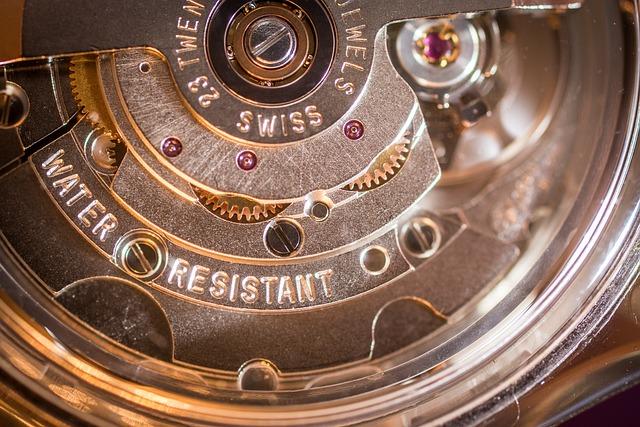
Now, let’s dive into . Unlike quartz watches that rely on batteries, mechanical watches are powered by a tightly wound mainspring. This mainspring stores energy that is released slowly to power the watch’s movement over a period of time.
The mainspring is wound either manually by turning the crown or automatically through the movement of the wearer’s wrist. As the mainspring unwinds, the energy is transferred through a series of gears and springs, ultimately driving the hands of the watch to indicate the time.
It’s important to keep your mechanical watch properly charged to ensure accurate timekeeping. Over time, the mainspring will gradually unwind, and the watch will need to be wound to keep it running smoothly. Regular winding or wearing the watch daily will help maintain its power reserve and prevent it from stopping.
Remember, taking care of your mechanical watch’s power source is essential for its longevity and accuracy. By understanding and following the proper care instructions, you can enjoy your timepiece for years to come.

Importance of Regularly Winding Your Timepiece
Regularly winding your timepiece is essential to ensuring its accuracy and longevity. Mechanical watches, unlike their quartz counterparts, rely on manual winding to keep the movement running smoothly. By winding your watch regularly, you are not only maintaining its timekeeping accuracy but also preventing the gears and springs from becoming stiff or damaged over time.
**Benefits of regularly winding your timepiece:**
– **Improved Accuracy:** By winding your watch consistently, you are helping to regulate its timekeeping and ensure that it remains accurate throughout the day.
– **Preservation of Movement:** Regular winding keeps the gears and springs in your watch lubricated and functioning properly, prolonging the life of your timepiece.
– **Maintains Power Reserve:** Mechanical watches have a power reserve that can range from 24 to 72 hours. By winding your watch regularly, you are ensuring that it has enough energy to keep running smoothly.
– **Prevents Damage:** Neglecting to wind your watch regularly can cause damage to the movement, leading to costly repairs in the future.
In conclusion, it is important to make winding your timepiece a part of your daily routine. By doing so, you are not only preserving the accuracy and functionality of your watch but also ensuring that it continues to serve you well for years to come.
Understanding Power Reserve in Mechanical Watches
Understanding the power reserve in your mechanical watch is crucial to ensuring it functions optimally. A power reserve indicates how long a watch can run without being wound. Typically, mechanical watches have a power reserve ranging from 24 to 72 hours.
To keep your mechanical watch charged, follow these simple steps:
- Regularly wind your watch: To maintain a healthy power reserve, wind your watch daily at the same time to ensure optimal performance.
- Avoid overwinding: Be cautious not to overwind your watch, as this can cause damage to the movement. Stop winding once you feel resistance.
- Consider a watch winder: If you have multiple watches or wear your watch infrequently, investing in a watch winder can help keep your timepiece running smoothly.
Remember, proper care and maintenance of your mechanical watch will extend its lifespan and keep it ticking accurately. Take the time to understand the power reserve of your watch and follow these tips to ensure it stays charged and ready to accompany you through time.
When to Wind Your Watch and for How Long
One of the most important aspects of caring for a mechanical watch is knowing when and how to wind it. Depending on the type of movement your watch has, you may need to wind it daily or every other day to keep it running smoothly.
To determine when to wind your watch, you can simply check the power reserve indicator if your watch has one. If not, a good rule of thumb is to wind it once a day in the morning before putting it on your wrist. This ensures that it will have enough power to last throughout the day.
When it comes to how long to wind your watch, it’s best to give the crown about 20-30 turns. Be sure not to overwind it, as this can damage the movement.
Remember, taking a few moments each day to wind your watch properly will help ensure that it keeps accurate time and lasts for many years to come.
Proper Storage and Maintenance of Your Timepiece
When it comes to caring for your mechanical watch, proper storage and maintenance are key to ensuring its longevity and accuracy. One important aspect of maintaining your timepiece is knowing how to effectively charge it. Here are some tips on how to properly charge your mechanical watch:
- **Winding the Watch**: If you have a manual winding watch, make sure to wind it up fully to ensure it has enough power to run smoothly.
- **Wearing the Watch**: Simply wearing your watch regularly can help keep it charged, as the movement of your wrist can help wind the watch and keep it running.
- **Using a Watch Winder**: If you have multiple watches or don’t wear your mechanical watch often, consider using a watch winder to keep it charged and running smoothly.
By following these tips and regularly charging your mechanical watch, you can ensure that it stays in optimal working condition for years to come.

Maximizing Your Watch’s Power Reserve
One of the key elements of taking care of your mechanical watch is to ensure its power reserve remains at its optimum level. is crucial in ensuring that it keeps accurate time and functions properly. Here are some tips on how to charge your mechanical watch effectively:
- Wear your watch regularly: The natural movement of your wrist helps to keep the watch wound. Try to wear your watch daily to ensure that it stays running smoothly.
- Use a watch winder: If you have multiple watches or don’t wear your mechanical watch every day, consider investing in a watch winder. A watch winder simulates the natural motion of your wrist, keeping your watch wound even when it’s not being worn.
- Wind your watch manually: If your watch has a manual winding function, make sure to wind it fully according to the manufacturer’s instructions. This will help maintain the power reserve and keep your watch running accurately.
- Service your watch regularly: Regular servicing by a professional watchmaker can help ensure that your watch’s power reserve is optimized. A watchmaker can also clean and lubricate the movement, keeping it in top condition.
Common Mistakes to Avoid in Charging Mechanical Watches
When it comes to charging mechanical watches, there are some common mistakes that many people make without even realizing it. Avoiding these pitfalls can help prolong the life of your timepiece and ensure that it continues to function accurately for years to come.
One common mistake is overwinding your watch. Unlike quartz watches, which have electronic movements, mechanical watches need to be wound manually. Overwinding can put unnecessary strain on the delicate inner workings of the watch, causing damage that may be expensive to repair.
Another mistake to avoid is setting the time and date while the watch is between the hours of 9pm and 3am. This is when the watch is in the process of changing the date, and adjusting the time or date during this period can disrupt the mechanism and potentially damage it.
Lastly, it is important to store your mechanical watch properly when not in use. Keeping it in a watch winder can help ensure that it stays wound and running smoothly, while also preventing unnecessary wear and tear on the movement.

Seeking Professional Help When Necessary
When it comes to caring for your mechanical watch, knowing how to properly charge it is essential for maintaining its longevity and accuracy. While some watches are automatic and self-winding, others require manual winding to keep them running smoothly. If you find that your mechanical watch is not holding a charge as it should, seeking professional help may be necessary.
Professional watchmakers have the expertise and specialized tools needed to diagnose and address issues with your timepiece. Whether it’s a problem with the mainspring, balance wheel, or escapement, a skilled watchmaker can identify the root of the issue and provide the necessary repairs. Attempting to fix a complex mechanical watch yourself can do more harm than good, so it’s best to leave it to the professionals.
When you bring your watch to a professional for charging or repairs, make sure to communicate any concerns or symptoms you’ve noticed. This information can help the watchmaker pinpoint the problem more quickly and accurately. Additionally, be prepared to follow any maintenance recommendations or care instructions provided by the professional to ensure your watch continues to function properly.
The Way Forward
In conclusion, taking proper care of your mechanical watch is essential to ensuring its longevity and accuracy. By regularly winding or wearing your timepiece, you can keep it charged and running smoothly. Remember to handle your watch with care, avoid overwinding, and seek professional help if necessary for maintenance or repairs. By following these simple steps, you can enjoy your mechanical watch for many years to come. Take care of your timepiece, and it will take care of you.
Get our latest guides, news, and insights highlighted in your Google Search & AI Overviews.