How Do You Wind a Seiko Automatic Watch? Expert Insights!
Do you own a Seiko automatic watch but find yourself unsure of how to wind it properly? Don’t worry, you’re not alone. In this article, we will provide you with expert insights on the best way to wind your Seiko automatic watch, ensuring its longevity and proper functioning. Whether you’re a seasoned watch collector or new to the world of automatic timepieces, this guide will equip you with the knowledge you need to keep your Seiko watch running smoothly.
Contents
- How to Wind a Seiko Automatic Watch Properly
- Understanding the Mechanics of a Seiko Automatic Watch
- Tips and Tricks for Winding Your Seiko Automatic Watch
- The Importance of Regularly Winding Your Seiko Automatic Watch
- Common Mistakes to Avoid When Winding a Seiko Automatic Watch
- Expert Recommendations for Properly Winding Your Seiko Automatic Watch
- Exploring the Benefits of Manual Winding Your Seiko Automatic Watch
- Ensuring Optimal Performance by Correctly Winding Your Seiko Automatic Watch
- Mastering the Art of Winding Your Seiko Automatic Watch Like a Pro
- Concluding Remarks
How to Wind a Seiko Automatic Watch Properly
To wind a Seiko automatic watch properly, you’ll need to follow a few simple steps to ensure optimal performance and longevity for your timepiece. Here are expert insights on how to wind a Seiko automatic watch:
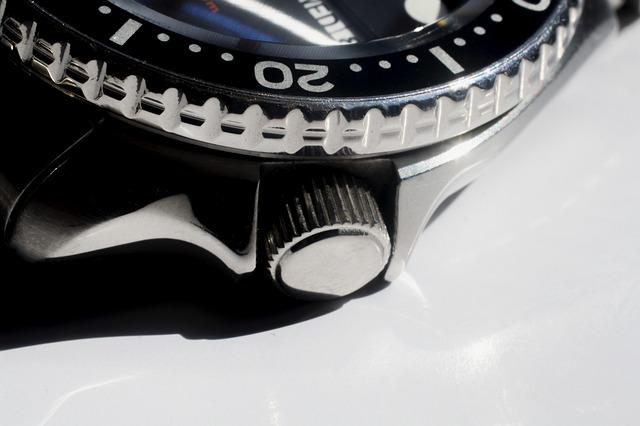
Find the Crown: Locate the crown on the side of your Seiko automatic watch. The crown is used for setting the time and date, as well as winding the watch.
Unscrew the Crown: Gently unscrew the crown by turning it counterclockwise until it is in the winding position. Be careful not to apply too much pressure as you unscrew the crown.
Wind the Watch: Once the crown is in the winding position, begin rotating it clockwise. Turn the crown in a forward direction for about 30-40 times to fully wind the watch. Avoid over-winding as this can damage the mechanism.
- Set the Time: After winding your Seiko automatic watch, push the crown back in and screw it back tightly. Then, pull the crown out to the time-setting position and adjust the time to the correct hour and minute.
Following these simple steps will ensure that your Seiko automatic watch stays accurate and operates smoothly for years to come. By properly winding your watch, you can enjoy its precision and reliability every day.

Understanding the Mechanics of a Seiko Automatic Watch
When it comes to , it is important to grasp the intricacies of how this timepiece operates. At the heart of every Seiko automatic watch is the intricate movement that powers the watch without the need for a battery. Here are some key insights into how you can wind a Seiko automatic watch like a pro:
- Manual Winding: Seiko automatic watches can be manually wound by turning the crown clockwise. This action helps to wind the mainspring, which stores the energy needed to power the watch.
- Wearing the Watch: Another way to wind a Seiko automatic watch is by wearing it regularly. The natural motion of your wrist throughout the day will keep the watch wound and running smoothly.
- Power Reserve: Most Seiko automatic watches have a power reserve of around 40 hours. This means that the watch can keep running for up to 40 hours after it has been fully wound.
By understanding how to properly wind your Seiko automatic watch, you can ensure that it continues to function accurately and reliably for years to come. With regular maintenance and care, a Seiko automatic watch can be a timeless piece that lasts a lifetime.

Tips and Tricks for Winding Your Seiko Automatic Watch
When winding your Seiko automatic watch, it’s important to follow a few tips and tricks to ensure proper care and maintenance. One key tip is to gently hold the watch in your non-dominant hand while using your dominant hand to rotate the crown in a clockwise direction. Avoid over-winding the watch, as this can cause damage to the movement.
Another important tip is to always wind the watch at the same time every day to keep it running smoothly. This will help maintain the accuracy of the timekeeping function. Additionally, make sure to wind the watch until you feel resistance, indicating that the mainspring is fully wound.
If you have a Seiko automatic watch with a power reserve indicator, pay attention to this feature to know when it’s time to wind the watch. This indicator will show you how much power is left in the mainspring, so you can keep your watch running smoothly at all times. Remember, proper winding and care will keep your Seiko automatic watch in top condition for years to come.
The Importance of Regularly Winding Your Seiko Automatic Watch
Regularly winding your Seiko automatic watch is essential to ensure its accuracy and longevity. By winding the watch regularly, you are keeping the mainspring tensioned, which in turn powers the watch’s movement. This is particularly important for automatic watches, as they rely on the wearer’s movement to keep the watch running.
Winding your Seiko automatic watch also helps to prevent the lubricants inside from drying out. Over time, these lubricants can become less effective, causing increased friction within the movement. By winding the watch regularly, you are ensuring that the movement stays well lubricated and running smoothly.
Additionally, regular winding can help prevent the watch from stopping unexpectedly. If a Seiko automatic watch is left unwound for an extended period, it may stop running altogether, requiring a visit to a watchmaker for servicing. By incorporating regular winding into your watch care routine, you can avoid potential downtime and keep your Seiko watch running reliably.
Common Mistakes to Avoid When Winding a Seiko Automatic Watch
When winding a Seiko automatic watch, there are several common mistakes that should be avoided to ensure the watch functions properly and maintains its accuracy. Here are some expert insights on what not to do:
- Overwinding: One of the most common mistakes is overwinding the watch. Remember that an automatic watch should not be wound too tightly, as this can put strain on the movement and potentially damage it.
- Not winding regularly: Another mistake is not winding the watch regularly. Automatic watches need to be worn or wound regularly to ensure they stay running smoothly. If left unwound for too long, the oils in the movement can dry up and cause issues.
- Improper winding technique: Using the wrong technique to wind the watch can also cause problems. Make sure to follow the manufacturer’s instructions on how to properly wind the watch to avoid damaging the movement.

Expert Recommendations for Properly Winding Your Seiko Automatic Watch
If you want to properly wind your Seiko automatic watch, there are a few expert recommendations to keep in mind. Following these tips will ensure that your timepiece functions optimally and lasts for years to come.
- Rotate the crown: To wind your Seiko automatic watch, gently rotate the crown in a clockwise direction. Avoid over-winding, as this can put unnecessary strain on the movement.
- Be consistent: Try to wind your watch at the same time each day to maintain a steady power reserve. This will help keep your watch running accurately.
- Listen for resistance: As you wind your watch, pay attention to any resistance you may feel. Stop winding once you encounter significant resistance to avoid damaging the movement.
By following these expert recommendations, you can ensure that your Seiko automatic watch stays in top condition and continues to keep time accurately. Remember to handle your watch with care and respect its mechanical complexity for optimal performance.
Exploring the Benefits of Manual Winding Your Seiko Automatic Watch
Manual winding your Seiko automatic watch can provide numerous benefits beyond simply keeping it running. By taking the time to manually wind your watch, you can ensure that it is running at its optimal performance level and accuracy.
One key benefit of manual winding is the ability to fully power up your watch, ensuring a consistent level of accuracy throughout the day. By winding your watch manually, you can also prolong the life of your watch’s movement by reducing wear and tear on the automatic winding mechanism.
Additionally, manually winding your Seiko automatic watch can help you establish a deeper connection with your timepiece. Taking the time to wind your watch each day can create a sense of mindfulness and appreciation for the craftsmanship and engineering that goes into every Seiko watch.
Overall, manual winding your Seiko automatic watch can enhance your overall experience with your timepiece, providing a sense of satisfaction and connection that can’t be replicated with a solely automatic winding process. So next time you reach for your Seiko watch, consider taking a few moments to manually wind it and reap the benefits of a well-maintained timepiece.
Ensuring Optimal Performance by Correctly Winding Your Seiko Automatic Watch
When it comes to keeping your Seiko automatic watch running smoothly, winding it correctly is essential. By following a few simple steps, you can ensure optimal performance and longevity for your timepiece. Here are some expert insights on how to wind a Seiko automatic watch properly:
– First, always wind your Seiko automatic watch in the morning before putting it on your wrist. This will give it a full day of power reserve to keep it running accurately.
– To wind your Seiko watch, gently turn the crown clockwise in the “0” position. Avoid forcing the crown or over-winding the watch, as this can damage the movement.
– Be consistent with your winding routine, aiming to wind your Seiko automatic watch at least once a day to maintain its accuracy.
– If you have multiple Seiko automatic watches in your collection, rotate them regularly to ensure they all receive equal attention and maintain good timekeeping.
By following these simple tips and tricks, you can keep your Seiko automatic watch performing at its best for years to come. Remember, a well-maintained watch is a reliable companion that will stand the test of time.
Mastering the Art of Winding Your Seiko Automatic Watch Like a Pro
Are you looking to master the art of winding your Seiko automatic watch like a pro? Look no further! Here are some expert insights to help you perfect this essential skill:
**1. Understand your Seiko Automatic Watch**
Before you start winding your Seiko automatic watch, it’s crucial to understand how it works. Familiarize yourself with the specific model you own, as different Seiko watches may have unique winding mechanisms.
**2. Manual vs Automatic Winding**
Seiko automatic watches are designed to be self-winding, meaning they are powered by the movement of your wrist. However, if your watch has stopped or you haven’t worn it for a while, manual winding may be necessary to kickstart the mechanism. Refer to your watch’s manual or the Seiko website for specific instructions on manual winding.
**3. How to Wind Your Seiko Automatic Watch**
To wind your Seiko automatic watch, follow these simple steps:
– Hold the watch in one hand with the crown (the small knob on the side) in the winding position.
– Gently turn the crown clockwise for about 30-40 rotations, being careful not to overwind.
– Once you feel resistance, stop winding to avoid damaging the mechanism.
– Wear your watch regularly to keep it running smoothly with the self-winding mechanism.
By following these expert tips, you’ll be able to confidently wind your Seiko automatic watch like a pro and ensure it stays in top condition for years to come.
Concluding Remarks
In conclusion, winding a Seiko automatic watch is a simple yet crucial process that can help maintain its accuracy and longevity. By following the expert insights shared in this article, you can ensure that your timepiece continues to function smoothly and reliably for years to come. Remember to always handle your Seiko watch with care and precision, and don’t hesitate to seek professional help if you encounter any issues. Thank you for reading and happy winding!
Get our latest guides, news, and insights highlighted in your Google Search & AI Overviews.