How Does a Watch Work Mechanical vs Quartz? The Ultimate Comparison
Have you ever wondered how a watch works? In this article, we will break down the intricate mechanisms behind both mechanical and quartz watches. By the end, you will have a deeper understanding of the ultimate comparison between these two types of timepieces. So, let’s dive in and explore the fascinating world of watchmaking.
Contents
- How a Mechanical Watch Works: A Detailed Breakdown
- The Intricate Mechanics Behind a Mechanical Watch Movement
- Understanding the Precision of Quartz Watch Technology
- Comparing the Accuracy and Reliability of Mechanical vs Quartz Watches
- The Perks of Owning a Mechanical Watch: A Timeless Appeal
- Why Quartz Watches Are Ideal for Everyday Wear and Convenience
- Exploring the Maintenance Differences Between Mechanical and Quartz Watches
- Making an Informed Decision: Choosing Between Mechanical and Quartz Watches
- In Retrospect
How a Mechanical Watch Works: A Detailed Breakdown
If you’ve ever wondered about the inner workings of your beloved timepiece, you’re in the right place. In this detailed breakdown, we’ll explore the fascinating world of mechanical watches and how they differ from quartz watches.
One of the key differences between mechanical and quartz watches lies in their power source. While quartz watches use a battery to power a vibrating quartz crystal, mechanical watches rely on a complex system of gears, springs, and other components to keep time.
Another notable distinction is the way these watches are regulated. Mechanical watches use a balance wheel and escapement mechanism to maintain accuracy, while quartz watches utilize an electronic circuit to ensure precise timekeeping.
Overall, both types of watches have their own unique charms and appeal. Whether you prefer the traditional craftsmanship of a mechanical watch or the modern convenience of a quartz watch, there’s no denying the intricate beauty of these timepieces.

The Intricate Mechanics Behind a Mechanical Watch Movement
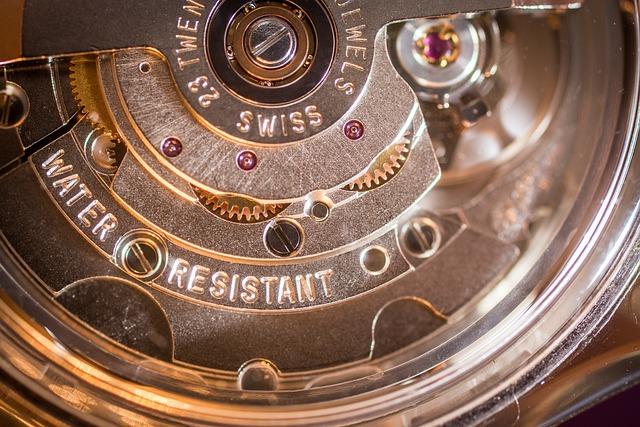
When it comes to understanding the inner workings of a watch, one must first dive into the complex mechanisms that power these intricate timepieces. Mechanical watches, in particular, operate through a series of gears, springs, and escapements that work together to keep time with precision. Unlike their quartz counterparts, mechanical watches rely on manual winding or the motion of one’s wrist to keep ticking.
One of the key components of a mechanical watch movement is the mainspring, which stores energy when wound up and releases it gradually to power the gears. The escapement mechanism controls the release of this energy in a regulated manner, allowing the hands of the watch to move at a consistent rate. The balance wheel and hairspring work in tandem to ensure steady timekeeping by oscillating back and forth.
Comparatively, quartz watches utilize a small quartz crystal that vibrates when an electric current is passed through it. This vibration is then translated into a regular pulse that drives the motor, which in turn moves the hands of the watch. The accuracy of quartz watches is unparalleled, with some models losing only a few seconds per month.
While both mechanical and quartz watches have their own unique appeal, it is the intricate craftsmanship and timeless elegance of mechanical movements that continue to captivate watch enthusiasts around the world. The mesmerizing blend of artistry and engineering that goes into creating a mechanical watch is a testament to the ingenuity and skill of watchmakers throughout history.

Understanding the Precision of Quartz Watch Technology
Quartz watches have revolutionized the world of timekeeping with their unmatched precision and accuracy. Unlike mechanical watches, which rely on intricate gears and springs to function, quartz watches operate using a battery-powered quartz crystal oscillator. This oscillator creates a consistent and reliable frequency that ensures the watch keeps accurate time, down to the second.
One of the key advantages of quartz watch technology is its incredible precision. Quartz watches are known for their exceptional accuracy, typically losing or gaining only a few seconds per month. This incredible level of precision makes quartz watches a popular choice for those who require reliable timekeeping in their daily lives.
In comparison, mechanical watches can be less accurate, often losing or gaining several seconds per day. This discrepancy in precision is due to the complex nature of mechanical movements, which are inherently more prone to slight variations in timekeeping. For those who prioritize accuracy above all else, a quartz watch is the ideal choice.
Comparing the Accuracy and Reliability of Mechanical vs Quartz Watches
When it comes to choosing a watch, one of the key considerations is the mechanism that powers it. Two popular options are mechanical and quartz movements, each with its own set of pros and cons.
Mechanical Watches:
- Function using a complex system of gears and springs.
- Accuracy can vary and may lose or gain a few seconds over time.
- Typically more expensive due to craftsmanship and materials.
- Require regular maintenance to keep them running smoothly.
Quartz Watches:
- Operate on a battery-powered electronic oscillator for timekeeping.
- Highly accurate, losing or gaining only a few seconds per month.
- Usually more affordable due to mass production.
- Low maintenance, only needing a battery replacement every few years.
| Mechanical Watches | Quartz Watches |
| Complex system of gears and springs | Battery-powered electronic oscillator |
| Variable accuracy | Highly accurate |
| Expensive | Affordable |
| Regular maintenance required | Low maintenance |

The Perks of Owning a Mechanical Watch: A Timeless Appeal
When it comes to the timeless appeal of a mechanical watch, there are several perks that set it apart from its quartz counterpart. One of the key advantages of owning a mechanical watch is the intricate craftsmanship and engineering that goes into its design. Unlike quartz watches, which rely on batteries and electronic circuits to keep time, mechanical watches operate purely through mechanical movements.
Another perk of owning a mechanical watch is the sense of tradition and history that it brings. Mechanical watches have been around for centuries and have a rich heritage that many watch enthusiasts appreciate. The attention to detail and the artistry that goes into creating a mechanical watch make it a true work of art.
Furthermore, mechanical watches offer a unique connection to time that quartz watches simply cannot replicate. The smooth, sweeping motion of a mechanical watch’s second hand is a visual delight that many watch lovers find captivating. Additionally, the intricate inner workings of a mechanical watch are a marvel of engineering and can be appreciated every time the watch is wound.

Why Quartz Watches Are Ideal for Everyday Wear and Convenience
When it comes to choosing a watch for everyday wear, many people often debate between mechanical and quartz movements. While both have their advantages, quartz watches are often the preferred choice for their convenience and reliability.
One of the main reasons why quartz watches are ideal for everyday wear is their accuracy. Unlike mechanical watches, which can lose or gain a few seconds per day, quartz watches are incredibly precise, often only deviating by a few seconds per month.
Additionally, quartz watches are low maintenance, as they do not require regular winding or servicing like mechanical watches do. This makes them perfect for those with a busy lifestyle who want a watch they can simply set and forget.
Overall, quartz watches are the perfect choice for those looking for a reliable and convenient timepiece to wear every day. With their accuracy, low maintenance, and stylish designs, it’s no wonder why they are so popular among watch enthusiasts.

Exploring the Maintenance Differences Between Mechanical and Quartz Watches
When it comes to the maintenance of watches, mechanical and quartz timepieces have different requirements. Understanding these differences can help you take better care of your beloved watches and keep them running smoothly for years to come.
**Mechanical Watches:**
– Require regular servicing every 3-5 years.
– Need to be wound either manually or through the motion of the wearer.
– Often have intricate movements that require skilled watchmakers for repair.
– Can be more prone to damage due to their intricate mechanical components.
**Quartz Watches:**
– Require battery replacements every 1-2 years.
– Have a simple and reliable movement powered by a quartz crystal.
– Are generally more affordable to maintain compared to mechanical watches.
– Are less prone to damage due to their simpler internal mechanisms.
In conclusion, whether you prefer the traditional charm of a mechanical watch or the practicality of a quartz timepiece, understanding the maintenance differences between the two can help you make informed decisions when it comes to caring for your watches.
Making an Informed Decision: Choosing Between Mechanical and Quartz Watches
When it comes to choosing a watch, one of the key decisions you have to make is whether to go for a mechanical or quartz timepiece. Both types have their own unique characteristics and advantages, so it’s important to understand how they work in order to make an informed decision.
**Mechanical Watches:**
- Powered by a mainspring
- Requires regular winding or wearing to keep it running
- Offers a smooth, sweeping second-hand motion
- Mechanical movements typically have more intricate craftsmanship
**Quartz Watches:**
- Powered by a battery
- Requires minimal maintenance and battery replacements
- Offers precise timekeeping
- Quartz movements are often more affordable
In summary, while mechanical watches are admired for their craftsmanship and traditional appeal, quartz watches are known for their accuracy and convenience. The choice ultimately comes down to personal preference and what you value most in a timepiece.
In Retrospect
In conclusion, understanding the differences between mechanical and quartz watches is essential for any watch enthusiast. While mechanical watches offer a traditional and intricate design, quartz watches are known for their accuracy and low maintenance. Both types have their advantages and charm, ultimately it comes down to personal preference and what functions best suit your needs. Whichever you choose, knowing how your watch works can help you appreciate its craftsmanship and value. So next time you glance at your wrist to check the time, you’ll have a better understanding of the fascinating inner workings behind your timepiece.
Get our latest guides, news, and insights highlighted in your Google Search & AI Overviews.