How Does Automatic Watches Work? Discover Now!
Have you ever wondered how automatic watches work their magic, keeping perfect time without the need for a battery? In this article, we will uncover the fascinating inner workings of automatic watches, revealing the intricate mechanisms that power these sophisticated timepieces. Get ready to dive into the world of horology and discover the captivating secrets behind the mesmerizing ticking of automatic watches.
Contents
How Automatic Watches Function
An automatic watch, also known as a self-winding watch, is a timepiece that operates without the need for a battery or manual winding. Instead, automatic watches are powered by the natural motion of the wearer’s wrist.
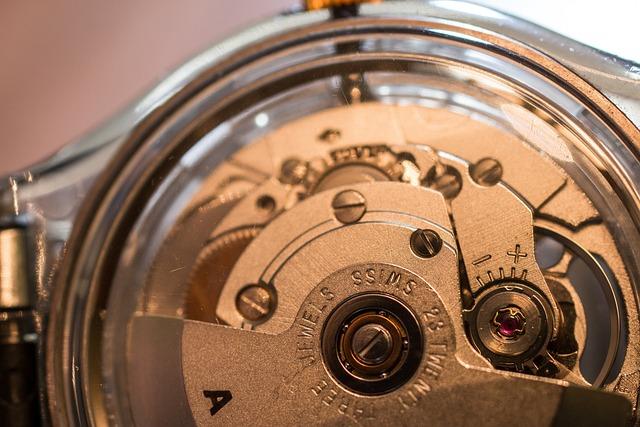
Inside an automatic watch, there is a rotor that moves with the motion of the wearer’s wrist. This rotor winds the mainspring, which is the power source of the watch. As the mainspring is wound, it stores energy that is released slowly to power the watch’s movement.
The movement of an automatic watch is made up of several intricate parts, including gears, springs, and jewels. These components work together to regulate the timekeeping of the watch, ensuring accurate timekeeping.
Overall, the beauty of an automatic watch lies in its mechanical complexity and the craftsmanship required to create such a timepiece. With its unique self-winding mechanism, an automatic watch is a blend of art and engineering that continues to captivate watch enthusiasts around the world.

Mechanical Movement in Automatic Watches
An automatic watch operates through the intricate mechanism of a mechanical movement. Inside every automatic watch is a tiny engine comprised of gears, springs, and other components working together seamlessly to keep time accurately.
One key component of a is the rotor, which is a weighted piece that rotates with the movement of the wearer’s wrist. As the rotor spins, it winds the mainspring, which stores energy to power the watch. This unique self-winding feature eliminates the need for manual winding, making automatic watches convenient for everyday wear.
In addition to the rotor, automatic watches also incorporate a balance wheel and escapement mechanism, which regulate the release of energy to ensure accurate timekeeping. These precision components work in harmony to keep the watch running smoothly and reliably for years to come.

Role of Rotors in Automatic Watches
Rotors play a crucial role in the functionality of automatic watches, serving as the mechanism that winds the watch’s mainspring. This process occurs through the motion of the wearer’s wrist, which causes the rotor to pivot back and forth. As the rotor moves, it winds the mainspring, storing energy that powers the watch. This eliminates the need for manual winding, making automatic watches convenient and practical for everyday wear.
The design of the rotor is essential for the efficient operation of the watch. It must be able to move freely within the case, allowing it to respond to the wearer’s movements. Most rotors are crafted from durable materials such as stainless steel or tungsten, ensuring longevity and reliability. Additionally, some luxury watch brands feature intricately designed rotors, showcasing their craftsmanship and attention to detail.
Overall, the rotor is a key component of automatic watches, enabling them to function without the need for manual winding. Its innovative design and reliable performance make automatic watches a popular choice among watch enthusiasts and casual wearers alike. With advancements in technology and materials, the continues to evolve, ensuring that these timepieces remain a timeless and practical accessory.

Power Reserve in Automatic Watches
When it comes to automatic watches, one of the key features to understand is the power reserve. This refers to the amount of time a watch can function without being worn or wound up. Automatic watches are powered by the movement of the wearer’s wrist, which winds the mainspring and keeps the watch running.
A typical automatic watch can have a power reserve anywhere from 24 to 48 hours, with some high-end models boasting even longer reserves. It’s important to keep your automatic watch wound to ensure it keeps accurate time. If left unworn for an extended period, the watch will eventually stop running and need to be reset.
To check the power reserve of your automatic watch, simply wear it for a day and then take it off at the same time. If it stops running before the same time the next day, it may be time to wind it or wear it more frequently. Understanding the power reserve of your automatic watch can help you maintain it properly and ensure it keeps ticking for years to come.
In summary, the power reserve of automatic watches is a crucial aspect of their functionality. By wearing or winding your watch regularly, you can keep it running smoothly and accurately. Remember to check the power reserve periodically to make sure your watch is always ready to go.
Components of Automatic Watches
Automatic watches are intricate timepieces that rely on the movement of the wearer’s wrist to function. They are made up of various components that work together to keep accurate time without the need for manual winding. Let’s take a look at some of the key components that make automatic watches tick:
- Rotor: The rotor is a crucial part of an automatic watch, as it is responsible for winding the mainspring. It is a small weight that moves freely as the wearer moves their wrist, transferring energy to the mainspring.
- Mainspring: The mainspring is the power source of the watch, storing the energy generated by the rotor. This coiled spring gradually unwinds, releasing energy to move the gears and hands of the watch.
- Escapement: The escapement regulates the release of energy from the mainspring to the gears, ensuring that the watch keeps time accurately. It consists of a pallet fork and escape wheel that work together to control the movement of the gears.
- Gears: Gears are the mechanical components that transmit energy from the mainspring to the hands of the watch. They are carefully designed and calibrated to ensure precise timekeeping.
| Component | Function |
|---|---|
| Rotor | Winds the mainspring |
| Mainspring | Stores energy |
| Escapement | Regulates energy release |
| Gears | Transmit energy to hands |

Advantages of Automatic Watches
Automatic watches are a timeless piece of craftsmanship that blend style with functionality. These watches are powered by the natural motion of the wearer’s arm, eliminating the need for batteries or manual winding. This makes them convenient and low-maintenance, ensuring that your watch is always ready to go.
One of the main is their accuracy. Unlike quartz watches that rely on electronic components, automatic watches use intricate mechanical movements to keep time. This results in a more precise and consistent timekeeping experience, perfect for those who value accuracy in their timepieces.
Another benefit of automatic watches is their durability. With proper care and maintenance, these watches can last for generations, becoming heirlooms that can be passed down through the family. The craftsmanship and attention to detail that goes into creating automatic watches make them a reliable and long-lasting accessory.
Overall, automatic watches offer a blend of style, functionality, and reliability that make them a popular choice for watch enthusiasts around the world. Whether you’re looking for a classic timepiece or a modern accessory, automatic watches are a versatile option that can complement any wardrobe.

Maintenance Tips for Automatic Watches
When it comes to maintaining your automatic watches, there are a few key tips to keep in mind to ensure they continue to work smoothly for years to come. By following these maintenance tips, you can prolong the lifespan of your watch and keep it looking and working its best.
1. Keep your watch wound: Unlike quartz watches that run on batteries, automatic watches rely on the movement of your wrist to keep them powered. To ensure your watch stays running, it’s important to wear it regularly or use a watch winder to keep it wound when not in use.
2. Avoid extreme temperatures: Automatic watches are sensitive to extreme temperatures, so it’s best to avoid exposing them to high heat or cold. This can cause the oils inside the watch to break down, leading to potential damage to the movement.
3. Regular servicing: To keep your automatic watch in top condition, it’s recommended to have it serviced every 3-5 years by a professional watchmaker. During servicing, the watch will be cleaned, lubricated, and any worn parts will be replaced to ensure it continues to run smoothly.

Difference Between Automatic and Quartz Watches
Automatic and quartz watches are two popular types of timepieces that operate differently. A quartz watch uses a battery to power an electronic oscillator that regulates the time. On the other hand, an automatic watch relies on the movement of the wearer’s wrist to wind a mainspring, which powers the watch.
One key is their accuracy. Quartz watches are known for their precision, typically losing or gaining only a few seconds per month. Automatic watches, on the other hand, are generally less accurate, with variations of several seconds per day. However, many watch enthusiasts appreciate the craftsmanship and tradition of automatic watches despite their slightly lower accuracy.
Another difference is the maintenance required for each type of watch. Quartz watches are low maintenance, usually only requiring a battery change every couple of years. Automatic watches, on the other hand, need to be serviced every few years to ensure they continue to function properly. This servicing includes cleaning, oiling, and adjusting the movement of the watch.
In conclusion, both automatic and quartz watches have their own unique characteristics and appeal to different types of watch enthusiasts. Whether you prefer the precision of a quartz watch or the tradition of an automatic watch, both types offer reliability and style in telling time.
In Conclusion
In conclusion, automatic watches are fascinating timepieces that operate solely on the movement of the wearer’s wrist. Their intricate internal mechanisms rely on the principles of kinetic energy to keep time accurately without the need for batteries or manual winding. Understanding how automatic watches work can deepen your appreciation for the craftsmanship and engineering that goes into creating these impressive timepieces. So next time you look at your automatic watch ticking away, remember the complex machinery at work behind its elegant exterior. Embrace the wonders of automatic watches and enjoy the effortless beauty of a timepiece that truly stands the test of time.
Get our latest guides, news, and insights highlighted in your Google Search & AI Overviews.