How Does Rado Automatic Watch Work? Get the Facts!
If you’re a fan of high-quality timepieces, you may have come across the sleek and sophisticated Rado automatic watch. But have you ever wondered how exactly this marvel of engineering works? In this article, we’ll dive into the inner workings of a Rado automatic watch and uncover the fascinating technology behind its smooth and precise timekeeping. So, buckle up and get ready to unravel the mysteries of this elegant timepiece!
Contents
- – Understanding the Mechanics Behind Rado’s Automatic Movement
- – The Power Source: Exploring Rado’s Self-Winding Technology
- – Unveiling the Intricate Inner Workings of a Rado Automatic Watch
- – The Role of the Rotor: How it Keeps Your Rado Watch Ticking
- – Delving Into the Escapement System of Rado Automatic Watches
- – Maintaining Precision: The Regulation of Rado’s Automatic Movement
- – The Advantages of Owning a Rado Automatic Watch
- – Tips for Maximizing the Performance and Lifespan of Your Rado Automatic Watch
- Key Takeaways
– Understanding the Mechanics Behind Rado’s Automatic Movement
Have you ever wondered how Rado’s automatic movement works? Let’s explore the intricacies behind this innovative technology. Rado’s automatic movement is powered by the natural motion of the wearer’s wrist. As the wrist moves, it activates a rotor inside the watch that winds the mainspring, storing energy to power the watch.
Rado’s automatic movement features a series of gears and springs that work together to regulate the timekeeping of the watch. The escapement mechanism controls the release of energy from the mainspring, ensuring that the watch ticks at a precise rate. This intricate system of components ensures that Rado watches are not only stylish but also highly accurate.
One of the key advantages of Rado’s automatic movement is its convenience. Unlike manual watches that require winding by hand, automatic watches simply need to be worn regularly to stay powered. This makes Rado automatic watches the perfect choice for those who lead active lifestyles and prefer a hassle-free timepiece.
So, the next time you wear your Rado automatic watch, remember the sophisticated mechanics at work behind the scenes. From the rotor to the escapement, each component plays a vital role in ensuring your watch keeps ticking accurately and reliably.

– The Power Source: Exploring Rado’s Self-Winding Technology
Rado’s self-winding technology is a marvel of engineering that powers their automatic watches. This innovative mechanism utilizes the natural motion of the wearer’s wrist to wind the watch and keep it running smoothly.
Unlike traditional manual watches that need to be wound by hand, Rado automatic watches are designed to be worn regularly to keep them powered. This means that as long as you’re wearing your watch, it will continue to wind itself, providing you with accurate timekeeping without the hassle of manual winding.
The self-winding technology in Rado watches is a testament to the brand’s commitment to innovation and excellence in watchmaking. By harnessing the power of motion, Rado has created a timepiece that is not only stylish and functional but also environmentally friendly, as it eliminates the need for batteries or external power sources.
Experience the convenience and precision of Rado’s self-winding technology by adding one of their automatic watches to your collection. Embrace the future of watchmaking with a timepiece that works seamlessly with your busy lifestyle.
– Unveiling the Intricate Inner Workings of a Rado Automatic Watch
Rado automatic watches are renowned for their precision and craftsmanship. These sophisticated timepieces operate using intricate inner mechanisms that set them apart from other types of watches. If you’ve ever wondered how a Rado automatic watch works, you’re in the right place!
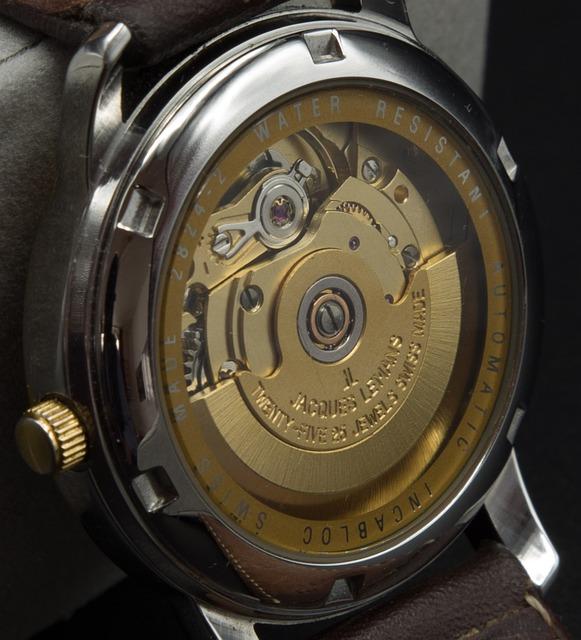
At the heart of a Rado automatic watch is the rotor, a semicircular piece that moves with the natural motion of your wrist. As you move, the rotor swings back and forth, transferring energy to the mainspring. This stored energy powers the watch, keeping it ticking accurately without the need for manual winding.
One of the key components that sets a Rado automatic watch apart is the escapement. This mechanism regulates the release of energy from the mainspring, ensuring that the gears move at a controlled pace. The escapement consists of the pallet fork and escape wheel, working together to keep the watch running smoothly.
- Rotates with the motion of your wrist
- Transfers energy to the mainspring
- Regulates the release of energy

– The Role of the Rotor: How it Keeps Your Rado Watch Ticking
One of the key components that sets Rado automatic watches apart from other timepieces is the rotor. The rotor is a small, weighted piece of metal that is connected to the movement of the watch. As the wearer moves their wrist, the rotor spins and winds the mainspring, which powers the watch. This ingenious design allows the watch to be self-winding, meaning it doesn’t require manual winding or a battery to keep ticking.
The rotor in a Rado automatic watch works seamlessly with the movement to ensure accurate timekeeping. The rotor spins freely in both directions, allowing it to wind the mainspring efficiently no matter which way the wearer moves their wrist. This means that as long as the watch is being worn regularly, it will stay powered and keep accurate time.
Another benefit of the rotor in a Rado automatic watch is its ability to store energy. When the watch is not being worn, the rotor will continue to spin and wind the mainspring, storing up to 48 hours of power reserve. This means that even if the watch is taken off for a day or two, it will still have enough energy stored to keep ticking when it is put back on.
Overall, the rotor plays a crucial role in the functionality of a Rado automatic watch. Its innovative design and ability to self-wind ensure that the watch stays powered and accurate, making it a reliable and convenient timepiece for any wearer.

– Delving Into the Escapement System of Rado Automatic Watches
When it comes to understanding the inner workings of Rado automatic watches, one key component to focus on is the escapement system. This intricate mechanism is responsible for regulating the movement of the watch, ensuring accurate timekeeping.
The escapement system consists of several key parts that work together to control the release of energy from the mainspring. These parts include the pallet fork, escape wheel, and balance wheel. As the mainspring unwinds, the escapement system controls the release of energy in precise intervals, allowing the gears to turn and the hands to move.
One of the standout features of Rado automatic watches is the use of a high-quality Swiss-made movement. This precise and reliable movement drives the escapement system, ensuring that the watch keeps accurate time year after year. With proper care and maintenance, a Rado automatic watch can last for generations.
Overall, delving into the escapement system of Rado automatic watches provides a fascinating glimpse into the inner workings of these fine timepieces. By understanding how this crucial mechanism functions, you can gain a deeper appreciation for the craftsmanship and precision that goes into creating a Rado automatic watch.

– Maintaining Precision: The Regulation of Rado’s Automatic Movement
Rado’s automatic watches are known for their precision and reliability, thanks to the regulation of the automatic movement. This intricate system utilizes a rotor that spins with the movement of the wearer’s wrist, winding the watch’s mainspring and keeping it ticking accurately.
One key component in maintaining the precision of Rado’s automatic movement is the balance wheel. This small wheel swings back and forth at a constant rate, controlling the release of energy from the mainspring. The regulation of the balance wheel is crucial to ensuring the watch keeps accurate time.
Another important aspect of Rado’s automatic watches is the escapement mechanism. This component controls the release of energy from the mainspring to the gear train, regulating the movement of the hands on the watch dial. The escapement in Rado watches is carefully crafted to ensure smooth and precise timekeeping.
In conclusion, the regulation of Rado’s automatic movement is a complex and essential process that ensures the accuracy and reliability of their timepieces. With careful attention to detail and high-quality craftsmanship, Rado continues to produce watches that are cherished for their precision and performance.

– The Advantages of Owning a Rado Automatic Watch
One of the key advantages of owning a Rado Automatic Watch is its impressive and reliable mechanism. Powered by the natural motion of the wearer’s wrist, the automatic movement eliminates the need for manual winding or battery replacements. This results in a hassle-free and low-maintenance timepiece that is always ready to go.
Additionally, Rado Automatic Watches are known for their accuracy and precision. The intricate inner workings of the watch ensure that it keeps accurate time, so you can always rely on it for important events or daily activities. Whether you’re at a business meeting or on a weekend adventure, you can trust your Rado Automatic Watch to keep you on schedule.
Another benefit of owning a Rado Automatic Watch is the prestige and luxury associated with the brand. As a Swiss watchmaker with a long history of craftsmanship and innovation, Rado is synonymous with quality and sophistication. Wearing a Rado Automatic Watch is not only a practical choice, but also a stylish statement that sets you apart from the crowd.
In conclusion, Rado Automatic Watches are a fantastic investment for anyone looking for a high-quality timepiece that combines functionality with elegance. With its automatic movement, accurate timekeeping, and luxury aesthetics, a Rado watch is sure to impress both watch aficionados and casual observers alike.
– Tips for Maximizing the Performance and Lifespan of Your Rado Automatic Watch
Rado Automatic watches are known for their precision and craftsmanship, making them a desirable timepiece for many watch enthusiasts. Understanding how these watches work can help you appreciate their complexity and functionality.
– **What Makes Rado Automatic Watches Unique?**
Rado Automatic watches are powered by the natural motion of the wearer’s arm. The movement of the arm winds the watch’s mainspring, storing energy that powers the watch’s movement. This self-winding mechanism eliminates the need for manual winding or batteries, making Rado Automatic watches a convenient and eco-friendly choice.
– **Components of a Rado Automatic Watch**
Inside a Rado Automatic watch, you’ll find intricate components including the rotor, which rotates with the motion of the wearer’s arm to wind the mainspring. The escapement mechanism regulates the release of energy from the mainspring to the gears, ensuring precise timekeeping. The balance wheel oscillates back and forth, controlling the movement of the watch hands.
– **Tips for Maintaining Your Rado Automatic Watch**
To maximize the performance and lifespan of your Rado Automatic watch, here are some tips to keep in mind:
– Wear your watch regularly to keep it wound and running smoothly.
– Avoid exposing your watch to extreme temperatures or magnetic fields.
– Store your watch in a watch box or case when not in use to protect it from dust and damage.
– Have your watch serviced by a professional watchmaker every 3-5 years to ensure optimal performance.
Key Takeaways
In conclusion, Rado automatic watches are intricate timepieces that rely on the movement of the wearer to power them. Through a series of gears, rotors, and springs, the kinetic energy from your wrist motions is harnessed to keep the watch ticking accurately. This innovative technology ensures that your Rado watch functions smoothly and tirelessly without the need for manual winding. With a deep understanding of how these watches work, you can appreciate the craftsmanship and precision that goes into each timepiece. So next time you glance at your Rado automatic watch, remember the fascinating mechanics that make it tick.
Get our latest guides, news, and insights highlighted in your Google Search & AI Overviews.