Winding Wisdom: How Often to Wind Mechanical Watch?
If you are a proud owner of a mechanical watch, you know the importance of keeping it properly wound. But how often should you wind your timepiece to keep it running smoothly and accurately? In this article, we will delve into the winding wisdom of mechanical watches and provide you with clear guidance on how to care for your beloved timepiece. So sit back, relax, and let us unravel the mystery of watch winding.
Contents
- Winding Wisdom: Understanding the Basics of Mechanical Watches
- Finding the Right Balance: Frequency of Winding for Mechanical Watches
- Factors to Consider When Determining How Often to Wind Your Watch
- Expert Recommendations for Winding Mechanical Watches for Optimal Performance
- The Impact of Overwinding or Underwinding on Your Mechanical Watch
- Why Consistent Maintenance and Winding Schedule is Key for Mechanical Watches
- Revealing the Signs That Indicate Your Mechanical Watch Needs Winding
- Common Misconceptions About How Often to Wind Mechanical Watches
- Tips for Establishing a Winding Routine That Works for Your Lifestyle
- Understanding the Inner Workings: How Winding Impacts the Accuracy of Your Mechanical Watch
- Future Outlook
Winding Wisdom: Understanding the Basics of Mechanical Watches
When it comes to winding a mechanical watch, the frequency at which you need to do so can vary depending on the type of movement your watch has. Generally, manual wind watches need to be wound every day to keep them running accurately. This involves turning the crown clockwise until you feel resistance, indicating that the mainspring is fully wound.
On the other hand, automatic watches are self-winding and will wind themselves as you wear them throughout the day. However, if you have an automatic watch that you don’t wear every day, you may need to manually wind it to keep it running smoothly. It’s important to note that overwinding a watch can cause damage, so be sure to stop when you feel resistance.
Some key points to keep in mind when winding your mechanical watch include:
- For manual wind watches, it’s best to wind them at the same time each day to ensure consistent accuracy.
- Be gentle when winding your watch to avoid putting excess stress on the internal mechanisms.
- If you’re unsure about how often to wind your watch, refer to the manufacturer’s guidelines or consult a professional watchmaker.

Finding the Right Balance: Frequency of Winding for Mechanical Watches
When it comes to winding your mechanical watch, finding the right balance is key. Over-winding can damage the delicate inner workings, while under-winding can cause the watch to stop. So, how often should you wind your timepiece? The frequency of winding depends on the type of movement your watch has.
Manual-wind watches: If you have a manual-wind watch, you’ll need to wind it every day to keep it running smoothly. It’s best to wind it at the same time each day to establish a routine.
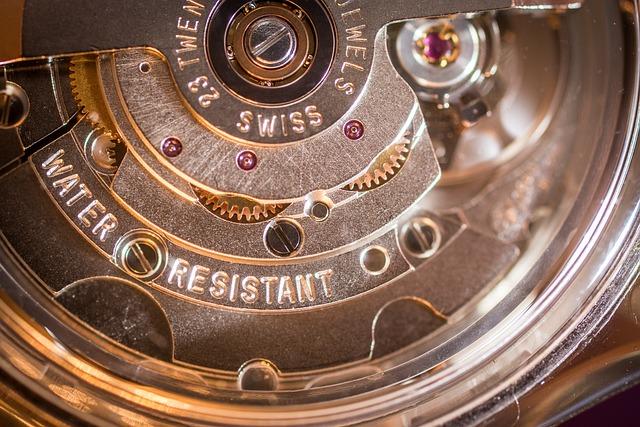
Automatic watches: Automatic watches have a rotor that winds the watch as you move your wrist. If you wear your automatic watch daily, it will stay wound. However, if you don’t wear it every day, you may need to give it a few manual winds to keep it ticking.
Remember, it’s important to follow the manufacturer’s recommendations for winding your specific watch model. By finding the right balance and winding your mechanical watch regularly, you can ensure it keeps accurate time for years to come.

Factors to Consider When Determining How Often to Wind Your Watch
:
When deciding how often to wind your mechanical watch, there are several important factors to take into consideration to ensure optimal performance and longevity of your timepiece.
- Frequency of Use: If you wear your watch every day, it is recommended to wind it daily to keep it running smoothly. For watches that are worn less frequently, winding every 2-3 days may be sufficient.
- Power Reserve: Some watches have a longer power reserve than others, meaning they can go longer between windings. Check the manufacturer’s specifications to determine the power reserve of your watch.
- Mechanical Movement: The type of mechanical movement in your watch can also impact how often it needs to be wound. For example, manual wind watches will require daily winding, while automatic watches are self-winding and may only need to be worn regularly to keep them powered.

Expert Recommendations for Winding Mechanical Watches for Optimal Performance
When it comes to winding your mechanical watch, experts recommend following a few key tips to ensure optimal performance and longevity of your timepiece. One important factor to consider is how often you should wind your watch. While the frequency of winding can vary depending on the type of movement in your watch, a general rule of thumb is to wind your mechanical watch at least once a day to keep it running accurately.
Another important recommendation from experts is to avoid overwinding your watch. Overwinding can put unnecessary strain on the movement and potentially cause damage. To prevent this, it is best to stop winding your watch once you feel resistance. Each watch has a different winding mechanism, so it is important to familiarize yourself with your specific timepiece to avoid overwinding.
Additionally, experts suggest establishing a winding routine to ensure consistent performance. By winding your watch at the same time each day, you can help regulate the movement and maintain accuracy. It is also recommended to wind your watch in a slow, steady manner to prevent any sudden jerks or jolts that could impact the delicate components inside.
Overall, by following these expert recommendations for winding your mechanical watch, you can enjoy optimal performance and extend the life of your timepiece. Remember to wind your watch regularly, avoid overwinding, establish a winding routine, and handle the winding process with care to keep your watch running smoothly for years to come.

The Impact of Overwinding or Underwinding on Your Mechanical Watch
One of the most common concerns among mechanical watch owners is the fear of overwinding or underwinding their timepiece. Proper winding is essential to ensure the accuracy and longevity of your watch. Overwinding occurs when you continue to wind the watch after you feel resistance, potentially causing damage to the delicate internal components. On the other hand, underwinding can lead to the watch stopping prematurely.
To avoid these issues, it is crucial to know how often to wind your mechanical watch. Most mechanical watches have a power reserve of around 40 hours, meaning they will run for about two days without winding. Therefore, it is recommended to wind your watch once a day to keep it running smoothly.
When winding your watch, always do so gently and stop when you feel resistance. Avoid forcing the crown as this can lead to overwinding. Additionally, be mindful of the specific winding directions for your watch, as some models may require clockwise or counterclockwise winding.
By following these winding practices and staying consistent with your winding routine, you can ensure that your mechanical watch continues to keep time accurately and functions properly for years to come.
Why Consistent Maintenance and Winding Schedule is Key for Mechanical Watches
Regular maintenance and a consistent winding schedule are crucial for ensuring the longevity and accuracy of your mechanical watch. By following a proper maintenance routine, you can extend the life of your timepiece and keep it running smoothly for years to come.
Winding your mechanical watch regularly is essential to keep it ticking accurately. Depending on the type of movement your watch has, you may need to wind it daily or every few days to ensure optimal performance. Keeping track of your winding schedule can help prevent your watch from running out of power at inconvenient times.
When it comes to maintenance, it is recommended to have your watch serviced by a professional watchmaker every 3-5 years. During a service, the watchmaker will clean and lubricate the internal components, ensuring that your watch continues to function properly. Additionally, they can identify and address any potential issues before they become major problems.
By staying consistent with your maintenance and winding schedule, you can enjoy your mechanical watch for years to come. Investing time and resources into caring for your timepiece will pay off in the long run, keeping your watch in top condition and preserving its value.

Revealing the Signs That Indicate Your Mechanical Watch Needs Winding
Keeping your mechanical watch wound is essential to ensure it continues to function properly. If you’re unsure of when to wind your watch, there are signs that can indicate it’s time to give it a good winding:
- Your watch stops running or loses time
- You notice a decrease in power reserve
- You feel resistance when setting the time
- You hear a faint ticking sound
These signs are clear indicators that your watch needs winding to keep accurate time and maintain its power reserve. By staying attuned to these signals, you can ensure your mechanical watch remains in optimal condition for years to come.

Common Misconceptions About How Often to Wind Mechanical Watches
One common misconception about winding mechanical watches is that you should wind them every day. While this can be true for some watches, others may only require winding every 1-2 days. It’s important to read the manufacturer’s guidelines for your specific watch to determine the recommended winding schedule.
Another misconception is that overwinding a watch can cause damage. In reality, most modern mechanical watches are designed with a mechanism that prevents overwinding. So, as long as you’re following the manufacturer’s instructions, you shouldn’t have to worry about damaging your watch.
Some people believe that winding a watch too frequently can cause wear and tear on the movement. However, the opposite is true – regular winding actually helps to keep the movement lubricated and running smoothly. So, if you want to ensure the longevity of your mechanical watch, it’s best to stick to a consistent winding schedule.
Remember, when in doubt, always refer to the manufacturer’s guidelines for the most accurate information on how often to wind your specific mechanical watch.

Tips for Establishing a Winding Routine That Works for Your Lifestyle
When it comes to winding your mechanical watch, it’s important to find a routine that suits your lifestyle. While some watch enthusiasts recommend winding your watch every day, others believe that winding it every other day is sufficient. Ultimately, the frequency of winding your watch will depend on the specific model and brand.
Here are some tips to help you establish a winding routine that works for you:
- Consider how often you wear your watch. If you wear it daily, you may want to consider winding it every day to ensure accurate timekeeping.
- Take note of your watch’s power reserve. Some watches can go 48 hours or more without needing to be wound, so you may not need to wind it every day.
- Experiment with different winding schedules to see what works best for you. You may find that winding your watch every other day or even once a week is sufficient.
By incorporating these tips into your daily routine, you can ensure that your mechanical watch is always running smoothly and keeping accurate time.

Understanding the Inner Workings: How Winding Impacts the Accuracy of Your Mechanical Watch
When it comes to maintaining the accuracy of your mechanical watch, understanding how winding impacts its performance is crucial. Winding your watch is like giving it a boost of energy to keep it running smoothly and accurately. Here are some key points to consider:
- Frequency: The frequency at which you should wind your mechanical watch depends on the type of movement it has. Generally, manual mechanical watches need to be wound every day to ensure optimal performance. On the other hand, automatic mechanical watches are self-winding, so they typically only need to be worn regularly to keep the movement powered.
- Overwinding: Overwinding your watch can cause damage to the movement, so it’s important to follow the manufacturer’s recommendations for winding. If your watch has a power reserve indicator, pay attention to it to avoid overwinding.
- Consistency: Consistency is key when it comes to winding your watch. Try to wind it at the same time each day to maintain a consistent power supply to the movement. This can help improve the overall accuracy of your watch.
Future Outlook
In conclusion, the frequency of winding your mechanical watch ultimately depends on the type of movement it has. Manual watches should be wound daily, while automatic watches can be worn daily to keep them wound. Remember to follow your watch manufacturer’s guidelines for optimal performance and always handle your timepiece with care. By understanding the proper winding techniques for your specific watch, you can ensure its longevity and accuracy. Thank you for reading and remember, time is precious, so make sure your watch is always ticking smoothly.
Get our latest guides, news, and insights highlighted in your Google Search & AI Overviews.