How Long Will a Automatic Watch Last? Discover Now!
Curious about the lifespan of your automatic watch? Wondering just how long these timepieces can last? In this article, we’ll delve into the longevity of automatic watches, exploring the factors that contribute to their lifespan and offering insights into how to extend the life of your treasured timepiece. Stay tuned to discover everything you need to know about the durability of automatic watches!
Contents
- Factors Affecting the Lifespan of an Automatic Watch
- Regular Maintenance and Care Tips for Prolonging the Life of Your Automatic Watch
- Understanding the Role of Mechanical Components in the Longevity of Automatic Watches
- Exploring the Impact of Water Exposure on the Lifespan of Automatic Watches
- Recommendations for Proper Storage to Extend the Life of Your Automatic Watch
- Debunking Common Myths About Automatic Watches and Their Lifespan
- Signs Your Automatic Watch May Need Servicing or Repairs
- Expert Advice on When to Service Your Automatic Watch for Optimal Performance
- Comparing the Lifespan of Different Automatic Watch Brands and Models
- Longevity of Automatic Watches: What You Need to Know Before Making a Purchase
- Wrapping Up
Factors Affecting the Lifespan of an Automatic Watch
Automatic watches are intricate timepieces that can last for generations if properly cared for. However, there are several factors that can affect the lifespan of an automatic watch. Here are some key considerations:
- Maintenance: Regular maintenance is essential to keep an automatic watch running smoothly. This includes servicing the movement every 3-5 years, ensuring the seals are intact to maintain water resistance, and keeping the watch clean and free from dust and debris.
- Quality of Materials: The quality of materials used in the construction of the watch will directly impact its lifespan. High-quality materials such as stainless steel, sapphire crystal, and ceramic are more durable and will withstand daily wear and tear better than lower-quality materials.
- Usage: How often you wear and use your automatic watch will also affect its lifespan. Watches that are worn daily and exposed to bumps, jolts, and extreme temperatures may require more frequent maintenance and are more likely to experience wear and tear.
| Factor | Effect on Lifespan |
|---|---|
| Maintenance | Regular maintenance can prolong the lifespan of an automatic watch. |
| Quality of Materials | High-quality materials increase durability and longevity. |
| Usage | Frequent wear and tear can shorten the lifespan of a watch. |
Regular Maintenance and Care Tips for Prolonging the Life of Your Automatic Watch
Taking proper care of your automatic watch is essential in ensuring it lasts for a long time. Here are some regular maintenance and care tips that will help prolong the life of your timepiece:
- Keep your watch away from magnets and extreme temperatures.
- Regularly clean your watch with a soft cloth to remove dirt and oil buildup.
- Ensure your watch is water-resistant before exposing it to water. If it is not, avoid getting it wet.
- Have your watch serviced by a professional every 3-5 years to keep it running smoothly.
By following these simple tips, you can extend the lifespan of your automatic watch and enjoy it for many years to come. Remember, proper maintenance is key to keeping your timepiece in top condition.
Understanding the Role of Mechanical Components in the Longevity of Automatic Watches
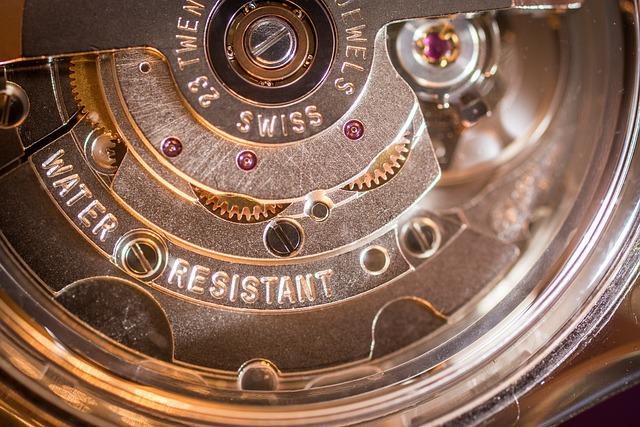
When it comes to the longevity of automatic watches, the role of mechanical components cannot be understated. These intricate pieces work together in harmony to keep your timepiece ticking for years to come. Understanding how these components function is essential in ensuring the longevity of your automatic watch.
One of the key components in an automatic watch is the escapement mechanism. This component regulates the release of energy from the mainspring to the gear train, allowing the hands of the watch to move at a consistent rate. A well-maintained escapement mechanism is crucial in ensuring the accuracy and longevity of your automatic watch.
Another important mechanical component in an automatic watch is the balance wheel. This component oscillates back and forth, controlling the speed at which the gears of the watch turn. A balanced and properly lubricated balance wheel is essential in maintaining the accuracy and longevity of your automatic watch.
By understanding the intricate role that mechanical components play in the longevity of automatic watches, you can ensure that your timepiece lasts for generations to come. Regular maintenance and care of these components will help keep your automatic watch running smoothly for years on end.

Exploring the Impact of Water Exposure on the Lifespan of Automatic Watches
Water exposure can significantly impact the lifespan of automatic watches, causing potential damage that may affect the watch’s performance over time. It is essential to understand how water can affect your timepiece and what measures you can take to ensure its longevity.
When an automatic watch comes into contact with water, it can lead to several issues, including:
- Corrosion of internal components
- Damage to the movement
- Rust formation
- Moisture infiltration
By avoiding water exposure and taking proper precautions, you can help extend the lifespan of your automatic watch. Consider the following tips:
- Do not swim or shower with your watch unless it is specifically designed for water resistance.
- Regularly check the seals and gaskets of your watch to ensure they are intact and functioning properly.
- Immediately dry your watch if it comes into contact with water, especially saltwater.
- Have your watch professionally serviced and water tested periodically to maintain its water resistance.
| Water Resistance Rating | Recommended Usage |
|---|---|
| 30 meters | Splash-proof only |
| 100 meters | Suitable for swimming and light water activities |
| 200 meters | Perfect for diving and water sports |

Recommendations for Proper Storage to Extend the Life of Your Automatic Watch
Proper storage is crucial when it comes to extending the life of your automatic watch. Here are some recommendations to help you ensure that your timepiece lasts for years to come:
– Store your automatic watch in a watch box or case to protect it from dust, moisture, and potential damage.
– Keep your watch away from direct sunlight, as prolonged exposure can cause the materials to fade or deteriorate over time.
– Avoid storing your watch in extreme temperatures, as this can affect the lubricants inside the movement and cause it to run less accurately.
– If you’re not wearing your watch regularly, consider investing in a watch winder to keep the movement running smoothly and prevent any potential issues from arising due to inactivity.
By following these simple storage recommendations, you can help ensure that your automatic watch remains in top condition for many years to come. Don’t underestimate the importance of proper storage when it comes to maintaining the longevity of your timepiece.
Debunking Common Myths About Automatic Watches and Their Lifespan
There are several common myths surrounding the lifespan of automatic watches that need to be debunked. Let’s set the record straight on these misconceptions:
– **Myth 1: Automatic watches last forever**: While automatic watches are known for their durability and longevity, they are not immune to wear and tear. Like any mechanical device, they require regular maintenance to ensure they continue to function properly.
– **Myth 2: Automatic watches need to be worn every day to stay running**: While it’s true that the movement of an automatic watch is powered by the movement of the wearer’s wrist, most modern automatic watches have a power reserve of at least 24 hours. This means you can take it off at night or for a day or two without it stopping.
– **Myth 3: Automatic watches are fragile and easily damaged**: Automatic watches are actually quite robust and built to withstand daily wear and tear. They are made with high-quality materials and designed to be durable. However, like any watch, they should be handled with care to avoid unnecessary damage.
In conclusion, automatic watches can last a lifetime with proper care and maintenance. By debunking these common myths, we hope to provide a clearer understanding of the longevity and durability of these timepieces.
Signs Your Automatic Watch May Need Servicing or Repairs
Regular maintenance is key to prolonging the lifespan of your automatic watch. If you start noticing any of the following signs, it may be time to take your watch in for servicing or repairs:
- Inaccurate Timekeeping: If you notice that your watch is consistently losing or gaining time, it could be a sign that the movement needs to be adjusted.
- Lack of Power Reserve: If your watch stops running prematurely, even after being fully wound, it may indicate an issue with the mainspring or gears.
- Strange Sounds: Unusual ticking noises or grinding sounds coming from your watch could signify internal components rubbing against each other, which requires immediate attention.
- Difficulty Winding or Setting: If you experience resistance when winding the crown or setting the time, it could be a sign of dirt or debris obstructing the movement.
By being aware of these warning signs and addressing them promptly, you can help ensure that your automatic watch continues to keep accurate time and functions smoothly for years to come.

Expert Advice on When to Service Your Automatic Watch for Optimal Performance
When it comes to keeping your automatic watch in optimal condition, regular servicing is key. But how often should you service your watch? Experts recommend having your automatic watch serviced every 3-5 years to ensure it continues to perform at its best. Regular servicing not only helps prevent potential issues from arising but also extends the lifespan of your watch.
During a service, a watchmaker will disassemble your watch, clean each component, lubricate the moving parts, and replace any worn-out parts. This meticulous process helps maintain the accuracy and functionality of your automatic watch. Additionally, servicing your watch regularly can help you avoid costly repairs down the line.
It’s important to pay attention to any signs that your automatic watch may need servicing, such as decreased accuracy, irregular timekeeping, or unusual noises. If you notice any of these signs, don’t hesitate to take your watch to a certified watchmaker for a thorough inspection and servicing. By staying proactive and adhering to a regular servicing schedule, you can ensure that your automatic watch will last for many years to come.

Comparing the Lifespan of Different Automatic Watch Brands and Models
When it comes to determining the lifespan of an automatic watch, there are several factors to consider, including the brand and model. Some watch brands are known for their durability and longevity, while others may require more frequent maintenance and repairs. Here, we will take a closer look at some popular automatic watch brands and models to see how they stack up in terms of lifespan.
Rolex
Rolex is synonymous with quality and longevity in the watch industry. Their watches are built to last a lifetime and are known for their precision and reliability. With proper care and maintenance, a Rolex automatic watch can last for generations.
Seiko
Seiko is another brand that is known for producing high-quality automatic watches that are built to stand the test of time. Seiko watches are renowned for their durability and accuracy, making them a popular choice among watch enthusiasts.
Omega
Omega is a prestigious Swiss watch brand that is known for its luxury watches that offer both style and substance. Omega watches are crafted with precision and attention to detail, ensuring that they can last for many years with the proper care and maintenance.

Longevity of Automatic Watches: What You Need to Know Before Making a Purchase
When it comes to the longevity of automatic watches, there are a few key factors to consider before making a purchase. Understanding these factors can help you make an informed decision and ensure that your watch will last for years to come.
One important factor to consider is the quality of the materials used in the construction of the watch. High-quality materials, such as stainless steel or titanium, are more durable and less likely to wear down over time. Additionally, a well-crafted movement can also contribute to the longevity of the watch.
Regular maintenance is also crucial in ensuring the longevity of an automatic watch. It is recommended to have your watch serviced every 3-5 years by a professional watchmaker to keep it running smoothly. Proper care and storage of the watch, such as avoiding exposure to extreme temperatures and keeping it away from magnets, can also help prolong its lifespan.
In conclusion, the longevity of an automatic watch largely depends on the quality of its materials, craftsmanship, and maintenance. By considering these factors before making a purchase, you can ensure that your watch will last for years to come and become a timeless accessory in your collection.
Wrapping Up
In conclusion, the lifespan of an automatic watch can vary depending on various factors such as how well it is taken care of and the quality of its components. Generally speaking, with proper maintenance and regular servicing, an automatic watch can last for generations. Remember to keep it wound, store it properly, and have it serviced by a professional when needed. By following these simple steps, you can ensure that your automatic watch will last for many years to come. So, enjoy your timeless timepiece and cherish it for a lifetime.
Get our latest guides, news, and insights highlighted in your Google Search & AI Overviews.