How Many Jewels in a Mechanical Watch? Precision Insights
Have you ever wondered just how many jewels are used in a mechanical watch to achieve precision timekeeping? In this article, we will delve into the fascinating world of watchmaking and explore the role of jewels in ensuring the highest level of accuracy in timepieces. Join us as we uncover the intricacies of mechanical watches and gain a deeper understanding of the precision insights behind these timeless pieces.
Contents
- Understanding the Role of Jewels in a Mechanical Watch Movement
- The Impact of Jewel Count on Accuracy and Performance
- Choosing the Right Number of Jewels for Your Mechanical Watch
- Exploring the History of Jewel Usage in Watchmaking
- Myths and Facts About Jewels in Mechanical Watches
- Factors to Consider When Comparing Watches Based on Jewel Count
- Maximizing the Durability and Longevity of Your Watch with Jewels
- Expert Recommendations for Evaluating Jewel Count in Mechanical Watches
- The Way Forward
Understanding the Role of Jewels in a Mechanical Watch Movement
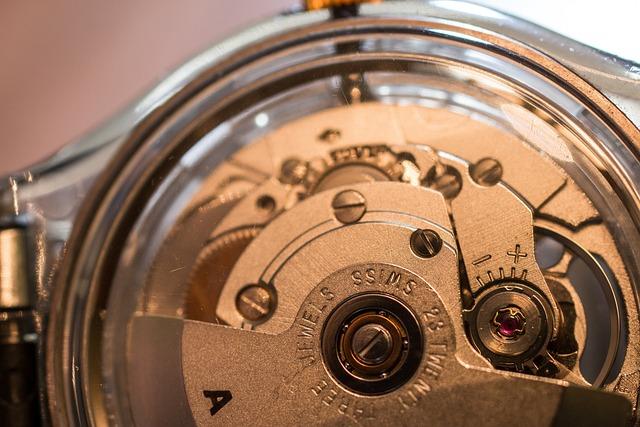
Jewels play a crucial role in the smooth operation of a mechanical watch movement. These tiny synthetic rubies are used as bearings to reduce friction and wear between the moving metal parts of the movement. The use of jewels in watches dates back to the 18th century, when watchmakers discovered that using rubies as bearings could greatly improve the accuracy and longevity of their timepieces.
Related: How Many Jewels in a Rolex Submariner? Precious Components
So, how many jewels are typically found in a mechanical watch? The number of jewels can vary depending on the complexity of the movement. On average, a basic mechanical watch may have around 17 jewels, while a more complicated watch with additional features like a chronograph or calendar complications could have upwards of 30 jewels.
Each jewel is strategically placed in the movement to support the gear train, balance wheel, and other key components, ensuring precise and reliable timekeeping. The jewels not only reduce friction but also help to distribute the lubricant evenly, further enhancing the performance and longevity of the watch.
In conclusion, the use of jewels in a mechanical watch is not just a decorative element but a functional necessity that contributes to the precision and durability of the timepiece. The carefully crafted movement with jewels is a testament to the craftsmanship and engineering prowess of watchmakers throughout history.

The Impact of Jewel Count on Accuracy and Performance
When it comes to mechanical watches, the number of jewels used in the movement can have a significant impact on accuracy and performance. Jewels are typically synthetic rubies or sapphires that are used as friction-reducing bearings in the moving parts of a watch. The more jewels a watch has, the smoother the movement will be, leading to increased accuracy and longevity.
Watches with a higher jewel count tend to have more intricate movements with smaller components, allowing for finer adjustments and a more precise timekeeping. These watches are often favored by enthusiasts and collectors for their superior craftsmanship and reliability. However, it’s important to note that the number of jewels alone does not determine the overall quality of a watch.
When choosing a mechanical watch, consider the balance between jewel count and other factors such as the brand reputation, craftsmanship, and movement type. While a higher jewel count can be an indicator of quality, it’s just one piece of the puzzle. Ultimately, the best watch for you will depend on your personal preferences and needs.

Choosing the Right Number of Jewels for Your Mechanical Watch
When it comes to mechanical watches, the number of jewels can play a crucial role in the overall performance and longevity of the timepiece. While more jewels typically indicate higher quality and precision, it’s important to understand how many jewels are necessary for your specific needs.
**Factors to consider when :**
- Movement Type: Different types of movements may require varying numbers of jewels to function optimally.
- Complexity: Watches with additional functions, such as a chronograph or moonphase, may benefit from a higher jewel count.
- Cost vs. Benefits: While more jewels can enhance accuracy and reduce friction, they can also increase the cost of the watch.
| Number of Jewels | Benefits | Recommended For |
|---|---|---|
| 17 Jewels | Basic protection against wear and tear | Entry-level mechanical watches |
| 25 Jewels | Improved accuracy and durability | Mid-tier mechanical watches |
| More than 25 Jewels | Enhanced precision and smoother operation | Luxury mechanical watches |
By understanding the role of jewels in mechanical watches and considering your specific needs, you can make an informed decision when choosing the right number of jewels for your timepiece. Remember, each additional jewel contributes to the overall quality and performance of the watch, so choose wisely.

Exploring the History of Jewel Usage in Watchmaking
When it comes to mechanical watches, the use of jewels has a long-standing history in watchmaking. These precious gemstones are not used for their aesthetic value, but rather for their practical purpose in enhancing the performance and longevity of the timepiece. But just how many jewels are typically found in a mechanical watch?
Most mechanical watches contain anywhere from 17 to 27 jewels, with higher-end luxury watches often boasting more jewels for increased precision and reliability. These jewels are strategically placed at key points within the movement to reduce friction and wear, ensuring smoother operation and greater accuracy over time.
Each jewel serves as a bearing or pivot point for moving parts, such as the gears and escapement, allowing them to move with minimal resistance. By minimizing friction, the jewels help to prevent excessive wear and tear on the components, ultimately prolonging the lifespan of the watch.
Overall, the use of jewels in watchmaking is a testament to the craftsmanship and attention to detail that goes into creating these precision timepieces. So, the next time you admire a mechanical watch, remember that there’s more than meets the eye when it comes to the intricate use of jewels within its mechanism.

Myths and Facts About Jewels in Mechanical Watches
When it comes to mechanical watches, there are many myths and facts surrounding the number of jewels used in the movement. Let’s delve into some key insights to understand the truth behind this fascinating aspect of watchmaking.
One common myth is that the more jewels in a mechanical watch, the better its performance. While jewels are indeed used to reduce friction and wear in a watch movement, the number of jewels does not directly correlate with accuracy or precision. In fact, the number of jewels typically ranges from 17 to 27 in most mechanical watches, with some high-end models containing up to 40 jewels.
It’s important to note that the placement of jewels in a watch movement is crucial, as they are strategically positioned at key friction points to enhance durability and longevity. Additionally, the quality of the jewels used, such as synthetic rubies, plays a significant role in ensuring smooth operation and minimal maintenance.
In conclusion, while jewels are a vital component of mechanical watches, it is essential to look beyond the numbers and focus on the overall craftsmanship and precision of the timepiece. Understanding the role of jewels in watchmaking can help enthusiasts appreciate the intricate artistry and engineering behind each mechanical watch.

Factors to Consider When Comparing Watches Based on Jewel Count
When comparing watches based on jewel count, it’s important to consider a few key factors to help you make an informed decision.
One factor to keep in mind is that the number of jewels in a mechanical watch can impact its overall performance and longevity. Watches with more jewels are typically more precise and have smoother movements. This is because jewels are used in the watch movement to reduce friction between moving parts, which can help to prevent wear and tear over time.
Additionally, the quality of the jewels in a watch can make a difference in its accuracy and durability. Watches with high-quality jewels will likely perform better and last longer than those with lower quality jewels. Look for watches with synthetic sapphires or rubies, as these are commonly used in higher-end timepieces for their hardness and ability to reduce friction.
In summary, when comparing watches based on jewel count, pay attention to the number and quality of the jewels in the watch movement. More jewels generally mean better performance and longevity, while high-quality jewels can further enhance the watch’s accuracy and durability. By considering these factors, you can make a more informed decision when choosing a mechanical watch.
Maximizing the Durability and Longevity of Your Watch with Jewels
When it comes to maximizing the durability and longevity of your watch, the number of jewels in a mechanical watch plays a crucial role. But how many jewels are needed for optimal performance? Let’s delve into some precision insights on this topic.
Firstly, it’s important to understand that watch jewels are synthetic rubies used in the movement of a watch to reduce friction and wear between moving parts. The most common types of jewels used in watchmaking are synthetic rubies, although sapphires and diamonds can also be used.
Typically, a mechanical watch will have anywhere from 17 to 33 jewels, with the average number being around 25. The number of jewels in a watch indicates the number of key friction points that have been addressed with these synthetic rubies, helping to ensure smoother operation and longer life for the timepiece.
In a high-quality mechanical watch, you can expect to find jewels at key points such as the escapement, the pallet fork, and the balance wheel. By reducing friction at these crucial areas, the watch can operate more efficiently and with less wear over time, ultimately leading to greater durability and longevity.

Expert Recommendations for Evaluating Jewel Count in Mechanical Watches
Understanding the importance of jewel count in mechanical watches
When evaluating the quality and precision of a mechanical watch, the jewel count is a key factor to consider. Jewels are synthetic rubies or sapphires that are used as bearings within the movement of a watch to reduce friction and wear. A higher jewel count typically indicates a higher quality movement and better durability over time.
Expert recommendations for evaluating jewel count
- Look for watches with a minimum of 17 jewels for basic movements, but ideally aim for 25 jewels or more for higher precision.
- Consider the brand reputation and craftsmanship when assessing the value of the jewel count in a watch.
- Consult with watch experts or horologists for guidance on specific models and their jewel count significance.
| Watch Brand | Jewel Count |
|---|---|
| Brand A | 25 Jewels |
| Brand B | 17 Jewels |
| Brand C | 30 Jewels |
By following these expert recommendations and understanding the importance of jewel count in mechanical watches, you can make informed decisions when purchasing a timepiece that meets your precision and durability expectations.
The Way Forward
In conclusion, the number of jewels in a mechanical watch plays a crucial role in its precision and longevity. By reducing friction and wear on the moving parts, jewels help ensure that the watch operates smoothly and accurately for years to come. While the number of jewels can vary depending on the complexity of the movement, a higher number generally indicates a higher-quality watch. So, next time you’re in the market for a mechanical timepiece, be sure to pay attention to the number of jewels to ensure you’re getting a watch that’s built to last.
Get our latest guides, news, and insights highlighted in your Google Search & AI Overviews.