How Much Movement Does an Automatic Watch Need? Discover Now!
Have you ever wondered how much movement an automatic watch actually needs to keep ticking? In this article, we will delve into the fascinating world of automatic watches and explore the optimal amount of movement required for them to function smoothly. So, sit back, relax, and let’s uncover the secrets of automatic timepieces together!
Contents
- How Automatic Watches Work and The Importance of Movement
- Factors Affecting the Optimal Movement of an Automatic Watch
- Recommended Daily Movement for Automatic Watches
- Benefits of Regular Movement for Automatic Watches
- Overwinding and Underwinding: The Risks of Incorrect Movement
- Ensuring Proper Movement for Longevity and Accuracy
- Telltale Signs of Insufficient Movement in an Automatic Watch
- Adjusting Movement Based on Watch Model and Brand
- Consulting with a Professional for Movement Recommendations
- Maximizing Performance with the Right Amount of Movement
- Wrapping Up
How Automatic Watches Work and The Importance of Movement
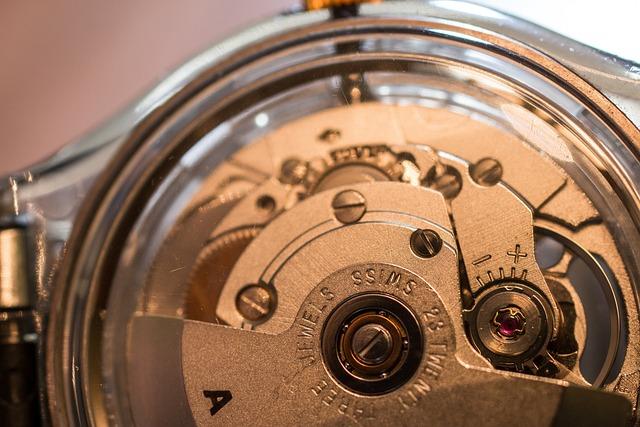
An automatic watch is a fascinating piece of engineering that relies on movement to function. The movement of the wearer’s wrist causes a rotor inside the watch to spin, which in turn winds the mainspring. This mainspring stores energy, which is then released in a controlled manner to power the watch.
The movement of an automatic watch is crucial to its operation. Without regular movement, the watch will stop running. To keep an automatic watch running smoothly, it is recommended to wear it for at least 8-10 hours a day. This ensures that the watch receives enough movement to keep it powered.
Some automatic watches also have a power reserve indicator, which shows how much energy is left in the mainspring. This can be a helpful feature to monitor how much movement the watch is receiving and when it may need to be worn or wound.
Remember, the movement of an automatic watch is essential to its functionality. So next time you reach for your watch, remember to give it the movement it needs to keep ticking!

Factors Affecting the Optimal Movement of an Automatic Watch
include:
- Wrist Movement: The natural movement of your wrist throughout the day helps to keep the watch wound. For optimal performance, it is recommended to wear the watch regularly, especially during activities that involve arm movement.
- Caliber of the Movement: The quality and design of the movement inside the watch can greatly impact its ability to maintain accurate timekeeping. A higher quality movement will require less movement to stay wound.
- Power Reserve: The power reserve of an automatic watch determines how long it can run without being worn. Watches with a longer power reserve will require less movement to stay operational.
In general, it is recommended to wear your automatic watch daily to ensure it stays wound and keeps accurate time. Additionally, regular servicing by a professional watchmaker can help to optimize the movement of your watch and extend its lifespan. Remember to handle your watch with care and avoid extreme shocks or impacts that could affect its movement.
Recommended Daily Movement for Automatic Watches
When it comes to keeping your automatic watch running smoothly, it’s essential to ensure that it gets enough movement on a daily basis. Automatic watches are powered by the movement of your wrist, so wearing it regularly is key to keeping it ticking accurately. The is about 600 to 800 turns on the crown, which translates to about 8 to 10 hours of wear time.
One way to make sure your automatic watch gets enough movement is to wear it on a daily basis. If you have multiple watches in your collection, consider rotating them so that each one gets its fair share of wrist time. You can also invest in a watch winder, which is a device that rotates your watch for you when you’re not wearing it, keeping it powered and ready to go.
Remember, regular movement is essential for the health of your automatic watch. By wearing it daily or using a watch winder, you can ensure that your timepiece remains accurate and reliable for years to come. So, make sure to give your automatic watch the movement it needs to keep ticking perfectly!

Benefits of Regular Movement for Automatic Watches
Regular movement is crucial for the function of automatic watches. Without consistent movement, automatic watches can lose accuracy and even stop working altogether. Here are some :
- Keeps the watch running: Regular movement ensures that the watch’s mainspring remains wound, keeping the watch running smoothly and accurately.
- Prevents lubricants from drying out: Movement helps distribute lubricants evenly throughout the watch, preventing parts from drying out and causing damage.
- Reduces the need for manual winding: By wearing the watch regularly and keeping it in motion, you can reduce the need for manual winding to keep it running.
Overall, regular movement is essential for the longevity and proper function of automatic watches. So, make sure to wear your automatic watch regularly to keep it in top condition!
Overwinding and Underwinding: The Risks of Incorrect Movement
When it comes to automatic watches, finding the right balance of movement is crucial. Both overwinding and underwinding your timepiece can lead to potential risks and issues that can affect its accuracy and longevity. Understanding the correct amount of movement needed for your watch is key to ensuring its proper function.
Overwinding your watch occurs when you continue to wind it past its full power capacity. This can put unnecessary strain on the internal mechanisms and may cause damage over time. On the other hand, underwinding your watch can lead to it not running properly or stopping altogether. It’s important to find the sweet spot in terms of movement to keep your watch running smoothly.
One way to prevent overwinding or underwinding is to follow the manufacturer’s guidelines for winding your specific watch model. Most automatic watches require regular winding to keep them functioning accurately. Additionally, wearing your watch daily and allowing for natural wrist movements can help keep it wound properly.
Ensuring Proper Movement for Longevity and Accuracy
When it comes to automatic watches, ensuring proper movement is essential for longevity and accuracy. But how much movement does an automatic watch actually need? The answer may surprise you.
An automatic watch typically needs to be worn for about 8-10 hours a day to keep it running smoothly. This allows the watch to stay wound and ensures that the movement remains accurate. If the watch is not worn enough, it may stop running and require manual winding to restart.
On the other hand, it is important not to overwind an automatic watch. Overwinding can put unnecessary stress on the movement and potentially cause damage. To avoid overwinding, simply wear your watch regularly and let the natural movement of your wrist keep it running smoothly.
By following these simple guidelines, you can help ensure that your automatic watch remains in top condition for years to come. Remember, a little movement goes a long way when it comes to keeping your watch ticking perfectly.
Telltale Signs of Insufficient Movement in an Automatic Watch
One of the telltale signs that your automatic watch may not be getting enough movement is if it stops running or loses time frequently. This can happen if the watch is not being worn enough to keep it fully wound. Ideally, an automatic watch should be worn for at least 8-10 hours a day to ensure it stays running smoothly.
Another indicator of insufficient movement in an automatic watch is if the power reserve seems to be decreasing rapidly. The power reserve is the amount of time the watch can run without being worn or wound. If you notice that your watch is losing power sooner than expected, it may be a sign that it is not getting enough movement to keep it fully wound.
Additionally, if you hear a loud ticking sound coming from your automatic watch, it could be a sign that the movement is struggling to keep up. This can happen if the watch is not getting enough movement to keep the gears properly lubricated and functioning smoothly.
Remember, regular wear and movement are essential for the health and longevity of your automatic watch. To ensure that your watch stays in top condition, be sure to wear it regularly and give it the movement it needs to keep running smoothly.

Adjusting Movement Based on Watch Model and Brand
When it comes to automatic watches, the movement required can vary depending on the model and brand. Understanding how much movement your watch needs can help ensure it stays accurate and functions properly. Here are some tips on adjusting the movement based on your specific watch:
- Check the manufacturer’s recommendations: Different watch brands may have specific guidelines on how often you should move your watch to keep it running smoothly. Be sure to consult the user manual or contact the brand directly for more information.
- Rotate the crown: If your watch has a crown that needs to be manually wound, be sure to rotate it in the proper direction and for the recommended amount of turns. Over-winding can damage the movement, so it’s important to follow the guidelines provided by the manufacturer.
- Wear your watch regularly: Automatic watches are designed to be worn daily to ensure they receive enough movement to stay accurate. If you’re not wearing your watch regularly, consider using a watch winder to keep it running smoothly.
By adjusting the movement of your automatic watch based on the model and brand, you can help prolong its lifespan and keep it accurate for years to come. Remember to follow the manufacturer’s recommendations and handle your watch with care to ensure it functions properly.

Consulting with a Professional for Movement Recommendations
When it comes to caring for your automatic watch, understanding how much movement it needs is crucial. Consulting with a professional can provide you with valuable recommendations tailored to your specific watch model. Expert advice can help you ensure that your watch functions optimally and maintains its accuracy over time.
Professional watchmakers have the knowledge and expertise to assess your watch’s movement requirements based on factors such as brand, model, and mechanism. They can recommend the appropriate amount of wrist movement needed to keep your watch running smoothly and efficiently. By seeking advice from a professional, you can prevent overwinding or underwinding your watch, which can lead to damage and decreased performance.
During a consultation with a watch specialist, you can also receive valuable tips on how to properly care for your watch, including how to store it when not in use and when to bring it in for maintenance. By following expert recommendations, you can prolong the life of your automatic watch and ensure that it continues to keep accurate time for years to come!

Maximizing Performance with the Right Amount of Movement
Automatic watches are timepieces that are powered by the movement of the wearer’s wrist. This means that the more movement the watch receives, the better it will perform. So, how much movement does an automatic watch need to function optimally?
While there is no exact measurement of movement required for an automatic watch, a general rule of thumb is that it should be worn for at least 8-10 hours a day. This ensures that the watch stays wound and keeps accurate time. Additionally, giving the watch a gentle shake every now and then can also help keep it running smoothly.
It’s important to note that wearing your automatic watch consistently will not only maximize its performance but also extend its lifespan. Regular movement helps to prevent the lubricants inside the watch from congealing, which can cause the watch to stop working properly.
So, if you want to ensure that your automatic watch is always ticking away accurately, make sure to give it the right amount of movement by wearing it daily and giving it a gentle shake when needed.
Wrapping Up
In conclusion, a gentle movement or wearing your automatic watch regularly is essential to keep it running smoothly and accurately. Remember, consistency is key in maintaining the health of your timepiece. So go ahead and wear your automatic watch with confidence, knowing that a little movement each day is all it needs to stay in top form. Time to keep moving and let your watch do the same!
Get our latest guides, news, and insights highlighted in your Google Search & AI Overviews.