How Much Time Should an Automatic Watch Lose? Must-Read Guide!
Welcome to our in-depth guide on automatic watch accuracy! Have you ever wondered how much time your beloved timepiece should be losing each day? Fear not, as we have all the answers you need. Join us as we explore the factors that can affect the accuracy of your automatic watch and how much time you can expect it to lose on a daily basis. Whether you’re a seasoned watch collector or a novice enthusiast, this is a must-read guide for anyone interested in the world of automatic watches. Let’s dive in!
Contents
- How Much Time Should an Automatic Watch Lose?
- Factors Affecting Accuracy in Automatic Watches
- Recommended Time Loss Tolerances for Different Brands
- Guide to Regulating the Accuracy of Your Automatic Watch
- Tips for Maintaining the Precision of Your Automatic Watch
- Understanding the Movement Types and their impact on Time Accuracy
- Common Reasons for Inaccuracy in Automatic Watches
- When to Seek Professional Help for Regulating Your Automatic Watch
- Common Signs Your Automatic Watch Needs Professional Attention
- Importance of Regular Servicing for Maintaining Accuracy
- Conclusion: Striking the Right Balance Between Precision and Tolerance
- Insights and Conclusions
How Much Time Should an Automatic Watch Lose?
An automatic watch is a finely crafted timepiece that relies on the movement of your wrist to keep it running. As a result, it is normal for automatic watches to lose or gain a few seconds each day. While the exact amount can vary depending on the quality of the watch and how well it is maintained, a good rule of thumb is that an automatic watch should lose around 2-5 seconds per day.
However, it is important to keep in mind that there are factors that can affect the accuracy of your automatic watch. Changes in temperature, magnetic fields, and even the position in which the watch is kept overnight can all impact its timekeeping abilities. To ensure that your watch is keeping time as accurately as possible, consider having it checked and serviced by a professional watchmaker every few years.
Ultimately, the amount of time that an automatic watch should lose is not an exact science, but rather a general guideline. If you find that your watch is consistently losing or gaining more time than is normal, it may be time to have it looked at by a professional. By taking proper care of your automatic watch and having it serviced regularly, you can ensure that it continues to keep time accurately for years to come.
Factors Affecting Accuracy in Automatic Watches
When it comes to automatic watches, accuracy is always a key concern for watch enthusiasts. Several factors can affect the accuracy of an automatic watch, ultimately determining how much time it may gain or lose over a specific period. Understanding these factors can help you better maintain and adjust your watch for optimal performance.
Some of the key include:
- Magnetism: Exposure to magnetic fields can disrupt the movement of the watch, affecting its accuracy.
- Temperature: Extreme temperatures can also impact the performance of an automatic watch movement.
- Positional Variance: The way you position your watch when not in use can affect its accuracy over time.
It’s important to note that some level of variation in timekeeping is normal for automatic watches. Most high-quality automatic watches are designed to maintain accuracy within a range of -4 to +6 seconds per day. If your watch is consistently losing or gaining more time than this range, it may be time to have it serviced by a professional watchmaker.

Recommended Time Loss Tolerances for Different Brands
When it comes to automatic watches, it’s essential to understand the . While each brand may vary slightly in their specifications, there are general guidelines to follow to ensure your watch is keeping accurate time.
Here are the recommended time loss tolerances for some popular watch brands:
- Rolex: +/- 2 seconds per day
- Omega: +/- 5 seconds per day
- Seiko: +/- 10 seconds per day
- Tag Heuer: +/- 7 seconds per day
It’s important to note that these tolerances can vary depending on the specific model of the watch. If you notice that your watch is consistently losing more time than the recommended tolerance, it may be time to have it serviced by a professional watchmaker.

Guide to Regulating the Accuracy of Your Automatic Watch
When it comes to regulating the accuracy of your automatic watch, it’s important to understand how much time it should ideally lose in a given period. Factors such as the quality of the movement, the age of the watch, and how often it is worn can all impact its timekeeping abilities. Here are some key points to consider:
- Quality of Movement: Higher-end automatic watches are often more accurate due to the precision engineering of their movements.
- Age of the Watch: As a watch ages, its accuracy may begin to decline. Regular servicing can help maintain its timekeeping abilities.
- Wearing Habits: How often you wear your automatic watch can also affect its accuracy. Regular wear can help keep the movement running smoothly.
So, how much time should you expect your automatic watch to lose? On average, a quality automatic watch should only lose around 5-7 seconds per day. If your watch is losing significantly more time than this, it may be time to have it serviced by a professional. By understanding these factors and taking proper care of your automatic watch, you can ensure it stays accurate and reliable for years to come.

Tips for Maintaining the Precision of Your Automatic Watch
When it comes to maintaining the precision of your automatic watch, there are a few key tips to keep in mind. Whether you’re a seasoned watch collector or a newbie to the world of automatic timepieces, understanding how much time your watch should lose is crucial.
One important thing to remember is that automatic watches are not as precise as quartz watches. While quartz watches can lose just a few seconds per month, automatic watches can lose anywhere from a few seconds to several minutes per day. This is due to the complex mechanical movement of automatic watches, which can be influenced by factors such as temperature, position, and wear and tear.
To help minimize the amount of time your automatic watch loses, consider the following tips:
- Regular servicing: Make sure to have your automatic watch serviced every 3-5 years by a professional watchmaker.
- Store properly: Keep your watch in a watch box or case when not in use to protect it from dust, moisture, and extreme temperatures.
- Avoid extreme conditions: Try to keep your watch away from magnets, shocks, and water to prevent damage to the movement.

Understanding the Movement Types and their impact on Time Accuracy
When it comes to understanding the movement types of automatic watches and their impact on time accuracy, it’s essential to consider the various factors that can affect how much time a watch may lose. Different movement types have different mechanisms for keeping time, which can result in varying levels of accuracy.
One common movement type is the automatic movement, which relies on the natural motion of the wearer’s wrist to keep the watch wound. While automatic watches are known for their precision, they may still lose or gain a few seconds each day due to external factors such as temperature changes and magnetic fields.
On the other hand, manual movements require regular winding by the wearer to keep the watch running accurately. These watches tend to be less precise than automatic watches, as they rely entirely on mechanical components for timekeeping.
Ultimately, the amount of time that an automatic watch should lose can vary depending on the specific movement type, the quality of the watch, and how well it is maintained. By understanding the different movement types and their impact on time accuracy, watch enthusiasts can better appreciate the craftsmanship and intricacies of their timepieces.
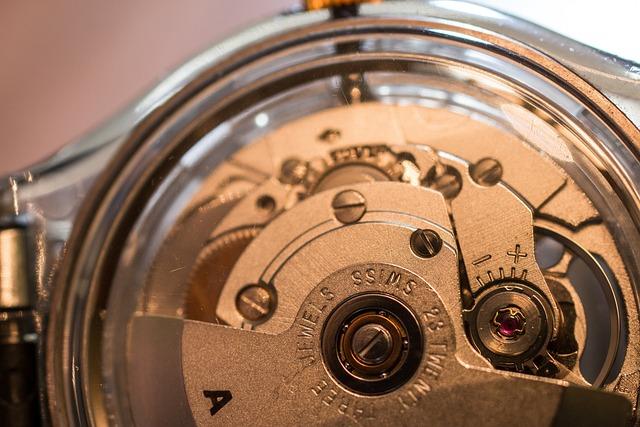
Common Reasons for Inaccuracy in Automatic Watches
One common reason for inaccuracy in automatic watches is magnetization. When a watch comes into contact with a strong magnetic field, the internal components can become magnetized, causing the movement to run faster or slower than it should. To prevent this, it is important to store your watch away from electronic devices such as laptops and cell phones.
Another factor that can affect the accuracy of an automatic watch is improper maintenance. Over time, the lubricants in the movement can break down, causing the gears to wear out and the watch to lose time. To ensure your watch is running properly, it is recommended to have it serviced by a professional watchmaker every few years.
Additionally, wearing your watch continuously or subjecting it to extreme temperatures can also impact its accuracy. It is important to store your watch in a cool, dry place when not in use, and to avoid exposing it to sudden temperature changes.
Lastly, the age and quality of the watch can also play a role in its accuracy. Higher-end watches are typically more precise and reliable than lower-end models. If you notice that your automatic watch is consistently losing time, it may be time to have it inspected by a professional to determine the cause of the inaccuracy.
When to Seek Professional Help for Regulating Your Automatic Watch
Common Signs Your Automatic Watch Needs Professional Attention
As a watch enthusiast, you may be familiar with the occasional need for fine-tuning and adjustments to keep your automatic watch running smoothly. But how do you know when it’s time to seek professional help? Here are some common signs that indicate your timepiece may need the expert touch of a watchmaker:
- Inconsistent Timekeeping: If you notice your watch is consistently running fast or slow, it may be a sign that it needs to be regulated by a professional.
- Unusual Sounds: Any strange ticking, clicking, or grinding noises coming from your watch could indicate internal issues that require professional attention.
- Difficulty Winding: If you’re having trouble winding your watch or if the crown feels loose, it’s best to have a watchmaker inspect and repair the mechanism.
Remember, regular maintenance and servicing are essential to ensure the longevity and accuracy of your automatic watch. If you are experiencing any of the above signs, don’t hesitate to contact a qualified watchmaker for expert assistance.

Importance of Regular Servicing for Maintaining Accuracy
Regular servicing of your automatic watch is crucial for maintaining its accuracy over time. Even the most high-quality timepieces can experience issues if not properly maintained. Here are some key reasons why regular servicing is important:
- Preventative Maintenance: Regular servicing can help identify and address any potential issues before they become major problems.
- Accuracy: Servicing ensures that your watch is keeping time accurately, so you can rely on it for everyday use.
- Longevity: Proper maintenance can extend the lifespan of your watch, allowing you to enjoy it for many years to come.
By staying on top of regular servicing, you can ensure that your automatic watch continues to perform at its best for years to come.

Conclusion: Striking the Right Balance Between Precision and Tolerance
In the world of automatic watches, finding the perfect balance between precision and tolerance is essential. While it’s natural for these timepieces to have slight variations in accuracy, there are certain guidelines to help you determine how much time your watch should lose.
1. **Industry Standards**: Most automatic watches are designed to lose or gain around 5-10 seconds per day. This range is considered acceptable within the watchmaking industry, allowing for minor discrepancies in timekeeping.
2. **Regular Maintenance**: Keeping your automatic watch well-maintained can help improve its accuracy. Regular servicing, including cleaning and lubrication, can ensure that the internal components are functioning properly.
3. **Adjustments**: If you find that your watch is consistently losing more than 10 seconds per day, it may be time to have it adjusted by a professional watchmaker. They can regulate the movement to improve its accuracy and bring it back within acceptable limits.
4. **Personal Preference**: At the end of the day, the right balance between precision and tolerance will depend on your individual preferences. Some watch enthusiasts may prioritize accuracy, while others may be more lenient with minor time discrepancies.
In conclusion, knowing how much time your automatic watch should lose is crucial in maintaining its performance. By understanding the industry standards, investing in regular maintenance, making necessary adjustments, and considering your personal preferences, you can strike the right balance between precision and tolerance for your timepiece.
Insights and Conclusions
In conclusion, the amount of time an automatic watch should lose can vary depending on the specific model and movement. Ideally, most high-quality automatic watches should lose around 5-10 seconds per day. However, it is important to keep in mind that slight variations in timekeeping are normal and should not be cause for concern. Remember to properly maintain and regulate your automatic watch to ensure accurate timekeeping. Ultimately, the key takeaway is to enjoy your timepiece and appreciate the craftsmanship and precision that goes into creating a mechanical marvel like an automatic watch. Thank you for reading our must-read guide on how much time an automatic watch should lose.
Get our latest guides, news, and insights highlighted in your Google Search & AI Overviews.