How Do Automatic Watches Charge? All You Need to Know!
Have you ever wondered how automatic watches are able to charge themselves without the need for batteries or manual winding? In this article, we’ll delve into the fascinating world of automatic watches and explore how they harness the power of motion to keep perfect time. If you’re curious about the inner workings of these timepieces, read on to discover all you need to know about how automatic watches charge.
Contents
- How Automatic Watches Work
- Understanding the Mechanism Behind Automatic Watch Charging
- Different Ways Automatic Watches Are Charged
- The Role of Kinetic Energy in Automatic Watch Charging
- Benefits of Wearing Automatic Watches
- Tips to Ensure Your Automatic Watch Stays Charged
- Common Misconceptions About Automatic Watch Charging
- Maximizing the Power Reserve of Your Automatic Watch
- The Future of Automatic Watch Technology
- In Retrospect
How Automatic Watches Work
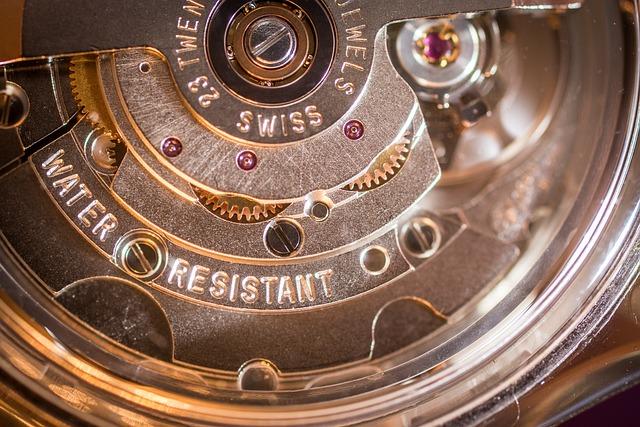
An automatic watch is a timepiece that does not require a battery to function. Instead, it relies on the natural motion of the wearer’s arm to keep it powered. Inside the watch, there is a rotor that moves every time the watch is worn, winding the mainspring and storing energy to keep the watch ticking.
The rotor in an automatic watch spins freely in both directions, allowing it to wind the mainspring regardless of which way the wearer moves their arm. As long as the watch is worn regularly, the rotor will continue to wind the mainspring, keeping the watch running smoothly.
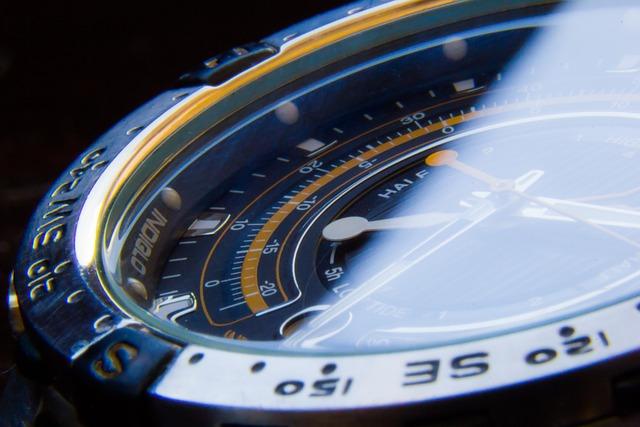
Many automatic watches also have a power reserve indicator, which shows how much energy is left in the mainspring. This feature allows wearers to know when they need to wear the watch more frequently to keep it charged. Overall, automatic watches are a fascinating blend of traditional craftsmanship and modern technology, making them a popular choice among watch enthusiasts.

Understanding the Mechanism Behind Automatic Watch Charging
Automatic watches are truly fascinating timepieces that have a unique way of powering themselves without the need for batteries. The mechanism behind automatic watch charging is called a rotor, which is a half-circle weight that moves with the wearer’s wrist movement.
As the wearer moves their wrist throughout the day, the rotor spins, winding the mainspring inside the watch. The mainspring is like a coiled-up spring that stores energy, and when wound up, it releases this energy slowly to power the watch. This process is what keeps the watch ticking accurately without the need for manual winding or battery replacements.
One of the key advantages of automatic watches is their convenience and self-sustainability. They are perfect for those who appreciate the craftsmanship and heritage of traditional watchmaking while also enjoying the modern convenience of not having to worry about changing batteries constantly. With proper care and regular wear, automatic watches can last for generations, making them a timeless investment for any watch enthusiast.
Different Ways Automatic Watches Are Charged
Automatic watches are fascinating timepieces that are powered by the natural motion of the wearer. Unlike quartz watches that rely on batteries, automatic watches use a mechanical movement to keep time ticking. But how exactly do these watches charge themselves? Let’s delve into the .
1. Wrist Movement: One of the most common ways automatic watches are charged is through the motion of the wearer’s wrist. As you move, the rotor inside the watch spins, winding the mainspring and storing energy to keep the watch running.
2. Watch Winders: For those who don’t wear their automatic watches every day, watch winders can be used to keep the timepiece charged. These devices mimic the motion of the wrist, ensuring that the watch stays wound and ready to wear at a moment’s notice.
3. Manual Winding: If your automatic watch has run out of power, you can always manually wind it to get it running again. Simply turn the crown clockwise for about 30-40 times to wind the mainspring and give your watch a power boost.

The Role of Kinetic Energy in Automatic Watch Charging
One of the key elements in the functioning of automatic watches is kinetic energy. This energy source is what powers the watch and keeps it running smoothly without the need for a battery. When we move our wrists, the watch rotor inside the watch moves as well, winding the mainspring and storing potential energy in the watch. This energy is then released gradually to power the watch’s movement.
The rotor inside the watch is connected to the mainspring, which is the energy storage unit in the watch. As the rotor spins, it winds the mainspring, storing potential energy that will be released to power the watch. This process is what keeps the watch running continuously without needing a battery replacement.
It’s important to note that automatic watches require regular wear to keep them charged. If left unworn for an extended period, the watch may stop running due to the lack of kinetic energy input. Therefore, wearing your automatic watch daily is not only a stylish choice but also essential for keeping it charged and functioning properly.
In conclusion, understanding is crucial for watch enthusiasts. By wearing and moving your wrist regularly, you are not only keeping your watch running smoothly but also ensuring that it stays charged and accurate. So next time you reach for your automatic watch, remember the importance of kinetic energy in keeping it ticking.
Benefits of Wearing Automatic Watches
Automatic watches are beloved by watch enthusiasts for their unique craftsmanship and convenience. Unlike manual watches that require winding to keep accurate time, automatic watches are self-winding thanks to the movement of the wearer’s wrist. This means you never have to worry about changing batteries or winding the watch yourself!
Here are some :
- No need for batteries: Automatic watches are powered by the movement of your wrist, so you never have to replace batteries, saving you time and money in the long run.
- Low maintenance: With no need for manual winding, automatic watches require minimal maintenance to keep them running smoothly.
- Timeless elegance: Automatic watches are crafted with precision and attention to detail, making them a stylish accessory for any outfit.
- Environmental friendliness: By eliminating the need for disposable batteries, automatic watches are a more sustainable option for eco-conscious consumers.
| XP | Charge Rate |
|---|---|
| Low Power | 10 XP/s |
| Medium Power | 20 XP/s |
| High Power | 30 XP/s |

Tips to Ensure Your Automatic Watch Stays Charged
Having an automatic watch is a true luxury, but it does come with the responsibility of ensuring it stays charged. Here are some tips to help you keep your watch running smoothly:
- Wear it regularly: The motion of your wrist helps to keep the watch wound, so wearing it regularly is the best way to ensure it stays charged.
- Use a watch winder: If you have multiple watches and can’t wear them all regularly, consider investing in a watch winder to keep them charged and running smoothly.
- Avoid storing it for long periods: If you won’t be wearing your watch for an extended period of time, make sure to give it some wrist time or use a watch winder to prevent it from stopping.
- Regular servicing: Just like any mechanical device, your automatic watch needs regular servicing to keep it running smoothly. Make sure to have it serviced by a professional watchmaker every few years to ensure it stays charged and accurate.

Common Misconceptions About Automatic Watch Charging
One common misconception about automatic watch charging is that you need to manually wind the watch to keep it running. In reality, automatic watches are self-winding timepieces that generate power through the movement of your wrist. As you wear the watch throughout the day, the natural motion of your arm keeps the internal mechanism moving, which, in turn, charges the watch.
Another misconception is that automatic watches need to be constantly worn to stay charged. While wearing the watch regularly is beneficial for keeping it running smoothly, most automatic watches have a power reserve that can last anywhere from 24 to 72 hours when not in use. This means that you can take off your watch for a day or two without worrying about it losing power.
It’s also important to note that overwinding an automatic watch is virtually impossible. Unlike manual watches that need to be wound until they reach maximum tension, automatic watches have a built-in mechanism that prevents them from being overwound. This means you can wear your watch without having to constantly monitor or adjust the winding process.

Maximizing the Power Reserve of Your Automatic Watch
Automatic watches are a marvel of engineering, utilizing the natural movements of your wrist to power the watch without the need for a battery. The power reserve of an automatic watch refers to how long the watch can continue running when not being worn. is essential to ensure that it functions properly and accurately.
Here are some tips on how to maximize the power reserve of your automatic watch:
- Wear your watch regularly: The natural movement of your wrist will keep the watch wound.
- Hand wind the watch: If your watch has a hand-winding function, give it a few turns every day to keep the mainspring fully wound.
- Store your watch properly: When not wearing your watch, store it in a watch winder or in a safe, dry place to prevent it from losing power.
- Service your watch regularly: Regular maintenance by a professional watchmaker will ensure that your watch is in optimal condition and performing at its best.

The Future of Automatic Watch Technology
Automatic watches are a fascinating blend of traditional craftsmanship and modern technology. Many watch enthusiasts are curious about how these timepieces manage to keep running without the need for a battery. The key to an automatic watch’s operation lies in its unique charging system, which sets it apart from quartz or manual watches.
Inside an automatic watch is a small but crucial component called a rotor. This rotor is connected to the mainspring of the watch and moves freely within the case as the wearer goes about their day. Every movement of the wrist causes the rotor to swing back and forth, which in turn winds the mainspring. This mechanical energy is then stored and used to power the watch’s movement, eliminating the need for a battery or manual winding.
In addition to the rotor, automatic watches also feature a series of gears and a balance wheel that work together to regulate the movement of the watch. The balance wheel controls the release of energy from the mainspring, ensuring that the watch keeps accurate time. This intricate system of components allows automatic watches to run smoothly and reliably without any external power source.
In Retrospect
So, now you know all about how automatic watches charge! From the intricate workings of the movement to the different methods of winding, automatic watches are truly fascinating timepieces. Remember to keep your automatic watch wound to ensure it stays running smoothly and accurately. And don’t forget to give it some extra manual winding if it’s running low on power. With these tips in mind, you can enjoy your automatic watch for years to come. Thank you for reading!
Get our latest guides, news, and insights highlighted in your Google Search & AI Overviews.