Insider’s Guide: What Powers Mechanical Watches?
Have you ever wondered what makes mechanical watches tick? In this insider‘s guide, we will delve into the fascinating world of mechanical watch movements and the mechanisms that power them. Whether you are a watch enthusiast or simply curious about the inner workings of timepieces, this article will provide you with an in-depth look at the intricate components that keep mechanical watches running smoothly. Join us as we explore the intricate artistry and precision engineering behind these timeless pieces of craftsmanship.
Contents
- Introduction to Mechanical Watches
- Understanding the Main Components of Mechanical Watches
- The Role of the Mainspring in Powering Mechanical Watches
- Exploring the Escapement Mechanism in Mechanical Watches
- The Importance of Jewels in Mechanical Watches
- Factors Affecting the Accuracy of Mechanical Watches
- Types of Movements in Mechanical Watches
- Tips for Maintaining the Power Reserve of Mechanical Watches
- Comparing Hand-Wound vs. Automatic Mechanical Watches
- Key Takeaways
Introduction to Mechanical Watches
There is something inherently fascinating and timeless about mechanical watches. These intricate timepieces have been around for centuries, capturing the hearts of watch enthusiasts with their intricate craftsmanship and precision engineering.
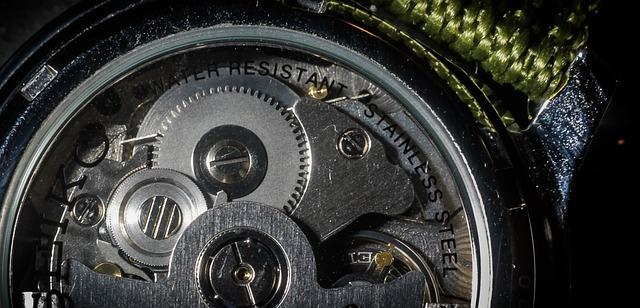
At the heart of every mechanical watch lies a complex system of gears, springs, and other components that work together to keep time ticking smoothly. Unlike their quartz counterparts, mechanical watches are powered by a mainspring, which stores energy when wound up. This mechanical energy is then transferred through a series of gears to the hands of the watch, powering its movement.
One of the key components of a mechanical watch is the escapement, which controls the release of energy from the mainspring in precise intervals. This tiny mechanism, often referred to as the “heart of the watch,” regulates the movement of the gears and ensures that the watch keeps accurate time.
In addition to the escapement, other important parts of a mechanical watch include the balance wheel, pallet fork, and jewel bearings, all of which play a crucial role in the watch’s functionality. Each of these components must work in harmony to ensure that the watch operates smoothly and accurately.

Understanding the Main Components of Mechanical Watches
Mechanical watches are intricate pieces of craftsmanship that rely on a series of main components to function properly. Here is a breakdown of these essential parts:
Main Spring: This is the part of the watch that stores energy when wound and releases it slowly to power the movement of the watch.
Escapement Mechanism: This component regulates the release of energy from the main spring in precise intervals, allowing the hands of the watch to move accurately.
Balance Wheel: The balance wheel is responsible for oscillating back and forth, controlling the speed at which the gears of the watch move.
- Gears: These gears work together to transmit the energy from the main spring to the hands of the watch, allowing them to move in a coordinated manner.
Understanding how these main components work together is essential in appreciating the complexity and beauty of mechanical watches. Each part plays a crucial role in ensuring the watch keeps accurate time and functions smoothly.
The Role of the Mainspring in Powering Mechanical Watches
The mainspring is a vital component in the intricate mechanism of mechanical watches. It serves as the primary source of power that drives the movement of the watch and enables it to keep accurate time.
Made of a long, coiled strip of steel, the mainspring stores potential energy when wound up and releases it gradually as it unwinds. This controlled release of energy is what powers the gears and hands of the watch, allowing it to function smoothly and accurately.
Without the mainspring, a mechanical watch would be unable to operate, highlighting its crucial role in the functionality of these timepieces. It is essential to ensure that the mainspring is properly maintained and wound regularly to keep the watch running efficiently.
In summary, the mainspring is a fundamental component that provides the necessary energy to keep mechanical watches ticking. Its reliable performance is key to the accurate timekeeping and longevity of these classic timepieces.

Exploring the Escapement Mechanism in Mechanical Watches
The escapement mechanism is a crucial component in the intricate world of mechanical watches. It serves as the heartbeat of the watch, regulating the flow of energy and ensuring precise timekeeping. Without the escapement, a watch would run uncontrollably or stop altogether.
At the heart of the escapement mechanism lies a delicate dance between the escapement wheel and the pallet fork. The escapement wheel is connected to the gear train and receives energy from the mainspring, while the pallet fork controls the release of this energy in precise intervals. This back-and-forth motion is what drives the movement of the watch hands.
One of the most commonly used escapement mechanisms in mechanical watches is the Swiss lever escapement. Renowned for its reliability and accuracy, the Swiss lever escapement has been a staple in watchmaking for centuries. Its simple yet ingenious design allows for minimal friction and maximum efficiency, resulting in smooth and consistent timekeeping.
In conclusion, the escapement mechanism is a fundamental part of what makes mechanical watches tick. Its intricate design and precise movements are a testament to the craftsmanship and artistry that goes into creating these timeless timepieces. Whether you’re a seasoned watch enthusiast or a curious newcomer, understanding the escapement mechanism is key to appreciating the inner workings of mechanical watches.
The Importance of Jewels in Mechanical Watches
Jewels in mechanical watches play a crucial role in ensuring the smooth and efficient functioning of the timepiece. These tiny synthetic rubies are strategically placed within the movement of the watch to reduce friction and wear between moving parts. The use of jewels in watches dates back to the early 19th century when watchmakers discovered their benefits in enhancing the durability and accuracy of mechanical timepieces.
One of the main reasons why jewels are used in mechanical watches is to minimize friction between the moving parts of the watch. By reducing friction, the jewels help to prolong the lifespan of the watch and improve its overall performance. This is especially important in high-end luxury watches where precision and durability are key factors.
Furthermore, jewels also help to maintain the accuracy of the watch by providing stable and consistent support for the moving components. The smooth surface of the jewels ensures that the gears and pinions within the watch can rotate freely without any hindrance, resulting in more reliable timekeeping.
In conclusion, the incorporation of jewels in mechanical watches is not just a design choice but a practical necessity. These tiny gems are essential in ensuring the longevity, precision, and reliability of mechanical timepieces, making them a valuable component in the world of horology.

Factors Affecting the Accuracy of Mechanical Watches
can vary from the type of movement to external influences. Understanding these factors can help you maintain and improve the precision of your timepiece.
– **Type of Movement**: The quality and type of movement in a mechanical watch can greatly impact its accuracy. Higher-end watches with Swiss-made movements tend to be more accurate compared to lower-quality movements.
– **Regularity of Maintenance**: Regular servicing and maintenance of a mechanical watch is essential to ensure its accuracy. Over time, the oils and lubricants in the movement can degrade, affecting its performance.
– **Temperature and Humidity**: Extreme temperatures and humidity levels can also affect the accuracy of a mechanical watch. Storing your watch in a stable environment away from heat and moisture can help maintain its precision.
– **Magnetic Fields**: Exposure to magnetic fields can disrupt the movement of a mechanical watch, causing it to run fast or slow. Avoid placing your watch near magnetic sources such as laptops or cell phones to prevent accuracy issues.
Types of Movements in Mechanical Watches
In the world of mechanical watches, there are several types of movements that power these intricate timepieces. Each movement has its own unique characteristics and features, catering to different preferences and needs of watch enthusiasts. Here are some of the most common types of movements found in mechanical watches:
– **Automatic Movement**: Also known as self-winding movement, an automatic movement uses the motion of the wearer’s wrist to wind the mainspring. This movement eliminates the need for manual winding, making it convenient for those who wear their watches regularly.
– **Manual Movement**: Manual movements, on the other hand, require the wearer to manually wind the mainspring by turning the crown. This traditional movement is favored by watch enthusiasts who appreciate the hands-on experience of winding their watch daily.
– **Quartz Movement**: While not technically a mechanical movement, quartz movements are battery-powered and provide highly accurate timekeeping. Quartz watches are known for their affordability and low maintenance, making them a popular choice for everyday wear.
– **Chronograph Movement**: A chronograph movement adds a stopwatch function to the watch, allowing the wearer to track elapsed time. This type of movement is often found in sporty or racing-inspired watches, adding both functionality and style.
When choosing a mechanical watch, consider the type of movement that best suits your lifestyle and preferences. Whether you prefer the elegance of an automatic movement or the precision of a quartz movement, there is a wide range of options available to cater to your individual tastes.
Tips for Maintaining the Power Reserve of Mechanical Watches
Mechanical watches are powered by a tightly wound spring known as the mainspring. This spring stores energy and transfers it through a series of gears to power the watch’s movement. To maintain the power reserve of your mechanical watch, follow these insider tips:
- Regular Wear: Regularly wearing your watch keeps the mainspring wound and ensures optimal power reserve.
- Manual Winding: If your watch has a manual winding function, remember to wind it daily to keep the mainspring tensioned.
- Storage: When not wearing your watch, store it in a watch winder to keep the mainspring wound and prevent it from losing power.
- Service: Periodically servicing your mechanical watch will help maintain its power reserve by ensuring all components are functioning smoothly.
| Tip | Details |
| Regular Wear | Wear your watch at least once a week to keep the mainspring wound. |
| Manual Winding | If your watch is manual winding, wind it daily to maintain the power reserve. |

Comparing Hand-Wound vs. Automatic Mechanical Watches
When it comes to mechanical watches, the power source plays a crucial role in their functionality. Hand-wound and automatic movements are two of the most common types of mechanical watch movements, each with its own unique characteristics and advantages. Here’s a breakdown of how these movements compare:
**Hand-Wound Mechanical Watches:**
– Require manual winding by turning the crown to power the watch
– Typically have a power reserve of around 40 hours before needing to be wound again
– Often preferred by watch enthusiasts for the traditional and interactive experience of winding the watch daily
**Automatic Mechanical Watches:**
– Feature a rotor that moves with the motion of the wearer’s wrist to automatically wind the watch
– Do not require manual winding, making them more convenient for everyday wear
– Have a power reserve that can last anywhere from 24 to 72 hours, depending on the specific movement
In conclusion, both hand-wound and automatic mechanical watches have their own appeal and charm. Whether you prefer the intimate connection of daily winding or the effortless convenience of an automatic movement, choosing between the two ultimately comes down to personal preference and lifestyle.
Key Takeaways
In conclusion, mechanical watches are intricate pieces of engineering that rely on a combination of mainspring, gear train, escapement, and balance wheel to keep accurate time. Understanding the inner workings of these timepieces can greatly enhance your appreciation for the craftsmanship that goes into creating a mechanical watch. By knowing what powers mechanical watches, you can better understand and care for your timepiece, ensuring it continues to function properly for years to come. Remember, regular maintenance and proper winding are essential for the optimal performance of your mechanical watch. So next time you glance at your wrist to check the time, take a moment to marvel at the intricate mechanics that power your watch and the skilled craftsmanship that brings it all together. Thank you for reading our insider’s guide to what powers mechanical watches.
Get our latest guides, news, and insights highlighted in your Google Search & AI Overviews.