Lasting Time: How Long Can a Mechanical Watch Last?
Have you ever wondered just how long a mechanical watch can last? From vintage timepieces handed down through generations to modern luxury watches, the lifespan of a mechanical watch is a topic of fascination for watch enthusiasts and collectors alike. In this article, we will delve into the intriguing world of horology and explore the factors that determine how long a mechanical watch can truly last. Join us as we discover the enduring legacy of these intricate timepieces.
Contents
- Components of a Mechanical Watch
- Factors Affecting the Longevity of Mechanical Watches
- Maintenance Tips for Keeping Your Mechanical Watch Running
- The Significance of Regular Servicing for Mechanical Watches
- Common Reasons for Mechanical Watch Failure
- How to Protect Your Mechanical Watch from Damage
- Extending the Lifespan of Your Mechanical Watch through Proper Care
- In Summary
Components of a Mechanical Watch
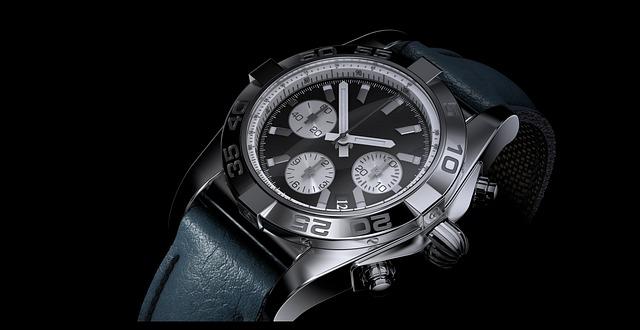
The work together almost like a symphony, creating the intricate dance that keeps time ticking away. From the elegant hands that sweep gracefully over the dial to the delicate balance wheel that regulates the movement, every part plays a vital role in the watch’s operation. Here are some key components that make up a mechanical watch:
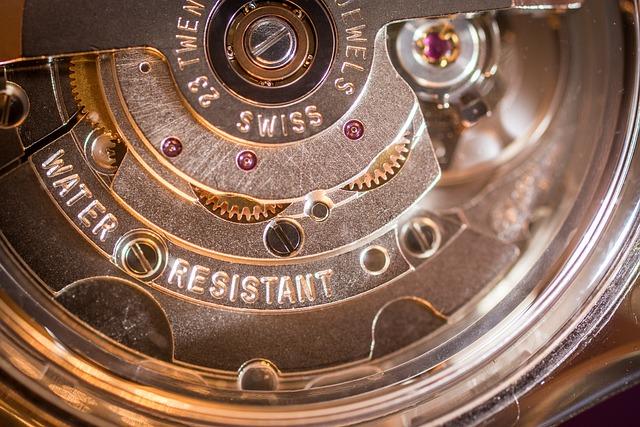
Movements: The heart of the watch, the movement, is where all the magic happens. It consists of the mainspring, gear train, escapement, and balance wheel. The mainspring stores the energy needed to power the watch, while the gear train transmits this energy to the escapement. The escapement, in turn, releases this energy in regulated bursts to keep the balance wheel oscillating back and forth, ensuring precise timekeeping.
Dial and Hands: The dial serves as the face of the watch, displaying the time in a clear and stylish manner. The hands, typically consisting of hour, minute, and second hands, move in sync with the movement’s operation, indicating the passing hours, minutes, and seconds.
Case and Crystal: The case houses all the components of the watch, protecting them from dust, moisture, and other environmental elements. The crystal, usually made of sapphire or mineral glass, sits atop the case, providing a transparent cover that allows for easy viewing of the dial.
- Crown and Stem: The crown, often located on the side of the case, is used to wind the watch, set the time, and adjust other functions. The stem connects the crown to the movement, transmitting the user’s input to the internal components of the watch.
Overall, the work in harmony to create a timeless piece that can last for generations with proper care and maintenance.

Factors Affecting the Longevity of Mechanical Watches
can vary greatly depending on the quality, maintenance, and usage of the timepiece. Here are some key factors to consider when looking to ensure your mechanical watch lasts for generations:
Quality of Materials: High-quality materials such as stainless steel, sapphire crystal, and premium leather straps can significantly impact the longevity of a mechanical watch.
Regular Maintenance: Proper maintenance, including regular cleaning, lubrication, and servicing by a professional watchmaker, is essential to keep a mechanical watch running smoothly.
Usage: How often and in what conditions you wear your watch can also affect its longevity. For example, exposure to extreme temperatures, water, or magnetic fields can impact the internal components of a watch.
- Storage: When not wearing your mechanical watch, storing it in a watch box or case to protect it from dust, moisture, and other environmental factors can help prolong its lifespan.
By considering these factors and taking proper care of your mechanical watch, you can ensure that it lasts for many years to come. Remember, a well-maintained mechanical watch can become a timeless heirloom that can be passed down through generations.
Maintenance Tips for Keeping Your Mechanical Watch Running
In order to ensure your mechanical watch lasts for years to come, it is crucial to follow proper maintenance tips. Here are some key tips to keep your timepiece running smoothly:
- Regular Servicing: It is recommended to have your mechanical watch serviced every 3-5 years by a professional watchmaker.
- Keep it Clean: Wipe down your watch regularly with a soft, dry cloth to remove any dirt or dust that may have accumulated.
- Avoid Water Exposure: Mechanical watches are not typically water-resistant, so it is important to keep them away from water to prevent damage to the internal components.
- Storage: When not wearing your watch, store it in a cool, dry place away from direct sunlight to prevent any damage or wear and tear.
Following these maintenance tips can help ensure that your mechanical watch lasts for many years, maintaining its accuracy and beauty for generations to come.
The Significance of Regular Servicing for Mechanical Watches
Regular servicing for mechanical watches is crucial in ensuring that your timepiece functions properly and maintains its accuracy for years to come. By having your watch serviced by a professional watchmaker every 3-5 years, you can prevent potential issues from arising and prolong the lifespan of your watch.
During a servicing, the watchmaker will disassemble the watch, clean each component thoroughly, inspect for any signs of wear or damage, and lubricate the moving parts. This meticulous process helps to keep the watch running smoothly and prevents unnecessary wear and tear.
Without regular servicing, a mechanical watch may experience decreased accuracy, increased friction between components leading to premature wear, and potential damage to delicate mechanisms. Investing in regular maintenance not only ensures the longevity of your watch but also helps to retain its value over time.
Remember, a well-cared-for mechanical watch can last for generations, becoming a cherished heirloom that can be passed down to future generations. So, don’t delay in scheduling a servicing for your timepiece to keep it ticking for many years to come.

Common Reasons for Mechanical Watch Failure
There are several common reasons why mechanical watches may fail to keep accurate time or stop altogether. Understanding these factors can help prolong the life of your timepiece and ensure it runs smoothly for years to come.
- Regular maintenance: Lack of regular servicing can lead to wear and tear on the internal components of a watch, causing it to malfunction.
- Water damage: Exposure to water or moisture can rust the delicate gears inside a watch, resulting in failure.
- Impact damage: Dropping or hitting a watch against a hard surface can knock the movement out of alignment, causing it to stop ticking.
- Overwinding: Overwinding a manual mechanical watch can put excess pressure on the movement, leading to potential damage.
| Reason for Failure | Solution |
|---|---|
| Regular maintenance | Service your watch every 3-5 years. |
| Water damage | Avoid wearing your watch while swimming or showering. |
| Impact damage | Handle your watch with care to prevent accidental damage. |
| Overwinding | Be cautious not to overwind your manual watch. |

How to Protect Your Mechanical Watch from Damage
One of the main concerns of watch enthusiasts is how to protect their mechanical timepieces from damage. While mechanical watches are known for their durability and longevity, they still require some care and attention to ensure they last for many years to come.
One way to protect your mechanical watch is to avoid exposing it to extreme temperatures. Extreme heat or cold can cause the oils inside the watch to break down, leading to potential damage. It’s best to store your watch in a cool, dry place when not in use.
Additionally, regular maintenance is key to keeping your mechanical watch in top condition. This includes having it serviced every few years by a qualified watchmaker. During servicing, the watchmaker will clean and lubricate the movement, ensuring smooth operation and preventing premature wear.
Lastly, it’s important to handle your mechanical watch with care. Avoid dropping it or exposing it to harsh chemicals or solvents. By following these simple tips, you can help protect your mechanical watch and enjoy its timeless beauty for many years to come.

Extending the Lifespan of Your Mechanical Watch through Proper Care
Proper care and maintenance are essential in extending the lifespan of your mechanical watch. By following a few simple tips, you can ensure that your timepiece will last for generations to come.
One key aspect of caring for your watch is ensuring that it is serviced regularly by a professional watchmaker. This will help to prevent any potential issues and keep your watch running smoothly. Additionally, storing your watch properly when not in use can help to prevent unnecessary wear and tear.
Regular cleaning is also important for maintaining the longevity of your mechanical watch. Use a soft, lint-free cloth to gently wipe down the exterior of the watch, being careful not to scratch the surface. It’s also a good idea to have the watch’s seals checked periodically to ensure that it remains water-resistant.
By taking the time to care for your mechanical watch properly, you can enjoy its beauty and functionality for many years to come. Remember, a well-maintained watch is a timeless accessory that can be passed down through generations.
In Summary
In conclusion, mechanical watches have the potential to last for generations if properly cared for and maintained. By investing in a quality timepiece and observing regular servicing, you can ensure that your watch remains functional and accurate for many years to come. Remember to wind your watch regularly, avoid extreme temperatures, and handle it with care to prolong its lifespan. Ultimately, with the right attention and upkeep, a mechanical watch can be an enduring and timeless accessory to pass down through the ages. Time may be fleeting, but a well-crafted timepiece can truly last a lifetime.
Get our latest guides, news, and insights highlighted in your Google Search & AI Overviews.