Mechanical Watch Break-in Period: Understanding Your New Timepiece
So, you’ve just purchased a brand new mechanical watch and now you’re eager to start showing it off to the world. But hold on a minute – did you know that your new timepiece actually needs a break-in period before it reaches its optimal performance? In this article, we’ll delve into the fascinating world of mechanical watch break-in periods, helping you understand how to properly care for and maximize the potential of your new investment. Let’s unlock the secrets behind this essential process and ensure that your timepiece stands the test of time.
Contents
The Science behind the Break-in Period of Mechanical Watches
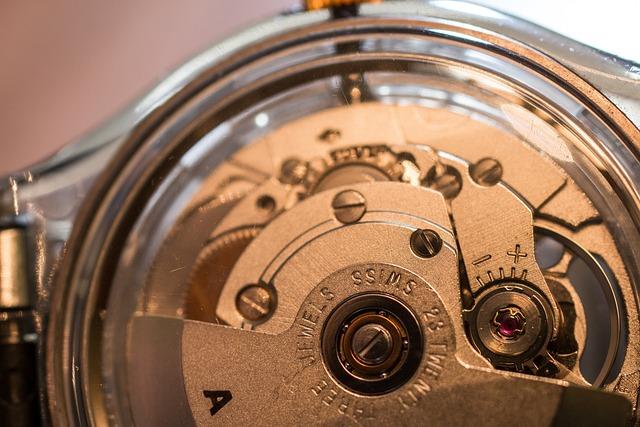
When you first get your new mechanical watch, you may notice that it doesn’t perform as accurately as you expected. This is completely normal, as mechanical watches go through a break-in period, similar to breaking in a new pair of shoes. During this time, the watch’s movement components settle into place, leading to improved accuracy and performance over time.
**Factors that Influence the Break-in Period:**
- Type of Movement: The type of movement in your watch can impact the length of the break-in period. For example, a manual-wind movement may take longer to settle than an automatic movement.
- Frequency of Use: Regularly wearing your watch can help speed up the break-in period, as the movement is constantly being used and adjusted.
- Quality of Components: Higher quality components may require a shorter break-in period, as they are designed to function smoothly from the start.
| Watch Component | Break-in Period Impact |
|---|---|
| Main Spring | May require stretching and settling, affecting accuracy. |
| Gears and Wheels | Smooth out over time, leading to improved performance. |
**Tips for Managing the Break-in Period:**
- Be patient and give your watch time to settle into place.
- Regularly wind or wear your watch to help speed up the break-in process.
- Keep your watch properly serviced to ensure optimal performance.

Key Factors Affecting the Break-in Period of Your Timepiece
Mechanical watches are intricate pieces of craftsmanship that require a break-in period to operate at their best. Understanding the key factors that affect this break-in period can help you get the most out of your new timepiece.
One of the most important factors affecting the break-in period of a mechanical watch is the movement type. A manual movement may require more time to break in compared to an automatic movement. This is because manual movements rely on regular winding to function correctly, while automatic movements are self-winding and may reach peak performance sooner.
Another factor to consider is the materials used in the construction of the watch. High-quality materials such as sapphire crystal and stainless steel can contribute to a smoother break-in period. On the other hand, lower-quality materials may result in a longer break-in period and may affect the overall performance of the watch.
Proper maintenance and care of your timepiece during the break-in period are also crucial. Keeping your watch wound and setting it correctly can help accelerate the break-in process and ensure that your watch functions optimally for years to come.

Understanding the Role of Lubrication in the Break-in Process
During the break-in period of a mechanical watch, one of the key factors to consider is the role of lubrication. Proper lubrication is essential for ensuring the smooth operation and longevity of your new timepiece. Here’s a closer look at how lubrication impacts the break-in process:
Lubrication types:
- High-quality synthetic oils
- Greases
These lubricants are specifically designed to reduce friction between the moving parts of the watch, allowing for optimal performance.
Importance of lubrication:
Without adequate lubrication, the moving components of the watch can experience excessive wear and tear, leading to premature damage and reduced accuracy. Proper lubrication helps to minimize friction, ensuring that the watch functions smoothly and efficiently.
What to Expect After the Break-in Period: Signs of a Well-Adjusted Mechanical Watch
After the break-in period of your mechanical watch, you can expect to see some signs that indicate your timepiece is well-adjusted and functioning properly. These signs include:
- Consistent Timekeeping: Your watch should be keeping time consistently and accurately without losing or gaining too much time.
- Smooth Movement: The hands of the watch should move smoothly around the dial without any jerky or stuttering motions.
- Even Winding: The winding mechanism should feel even and consistent when you wind the watch, indicating that the internal components are working together harmoniously.
- Stable Power Reserve: The power reserve of your watch should remain stable, with the watch running for the expected amount of time after being fully wound.
These signs of a well-adjusted mechanical watch show that your timepiece has settled into its proper rhythm and is functioning as it should. If you notice any issues with your watch after the break-in period, it may be worth taking it to a professional watchmaker for inspection and adjustment.
To Wrap It Up
In conclusion, understanding the break-in period of a mechanical watch is essential for ensuring its long-term accuracy and durability. Remember to be patient and allow your new timepiece to adjust and settle into its optimal performance. By following these key takeaways, you can enjoy a smooth transition period and fully appreciate the craftsmanship of your new watch. Thank you for reading and happy timekeeping!
Get our latest guides, news, and insights highlighted in your Google Search & AI Overviews.