Other Names For Watches Or Timepieces
Other Names for Watches or Timepieces: A Comprehensive Guide to Horological Terminology
Language is as intricate as the gears of a mechanical movement. Explore the fascinating synonyms, historical terms, and technical jargon used to describe watches and timepieces.
Contents
The Rich Language of Timekeeping
Throughout human history, our obsession with measuring time has led to the creation of incredible mechanical marvels. Naturally, as the technology of timekeeping evolved—from massive town square clocks to delicate instruments worn on the wrist—so too did the language we use to describe them. When we ask, what are other names for watches or timepieces?, we unlock a rich vocabulary that reflects culture, engineering, and personal style.
Whether you are a budding horologist, a writer seeking the perfect synonym, or simply curious about the jargon of the watch world, understanding these alternative terms can deepen your appreciation for the craft. Let’s delve into the varied and fascinating names used for watches and timepieces.
1. The Classics: Formal and Historical Synonyms
These terms evoke a sense of tradition and are often used in formal writing, historical contexts, or by luxury watchmakers to emphasize craftsmanship.
Horological Instrument
This is perhaps the most formal and clinical term for a timepiece. It emphasizes the precision, engineering, and scientific nature of timekeeping. Brands like Breguet and A. Lange & Söhne might refer to their highly complicated creations as horological instruments rather than mere watches.
Chronometer
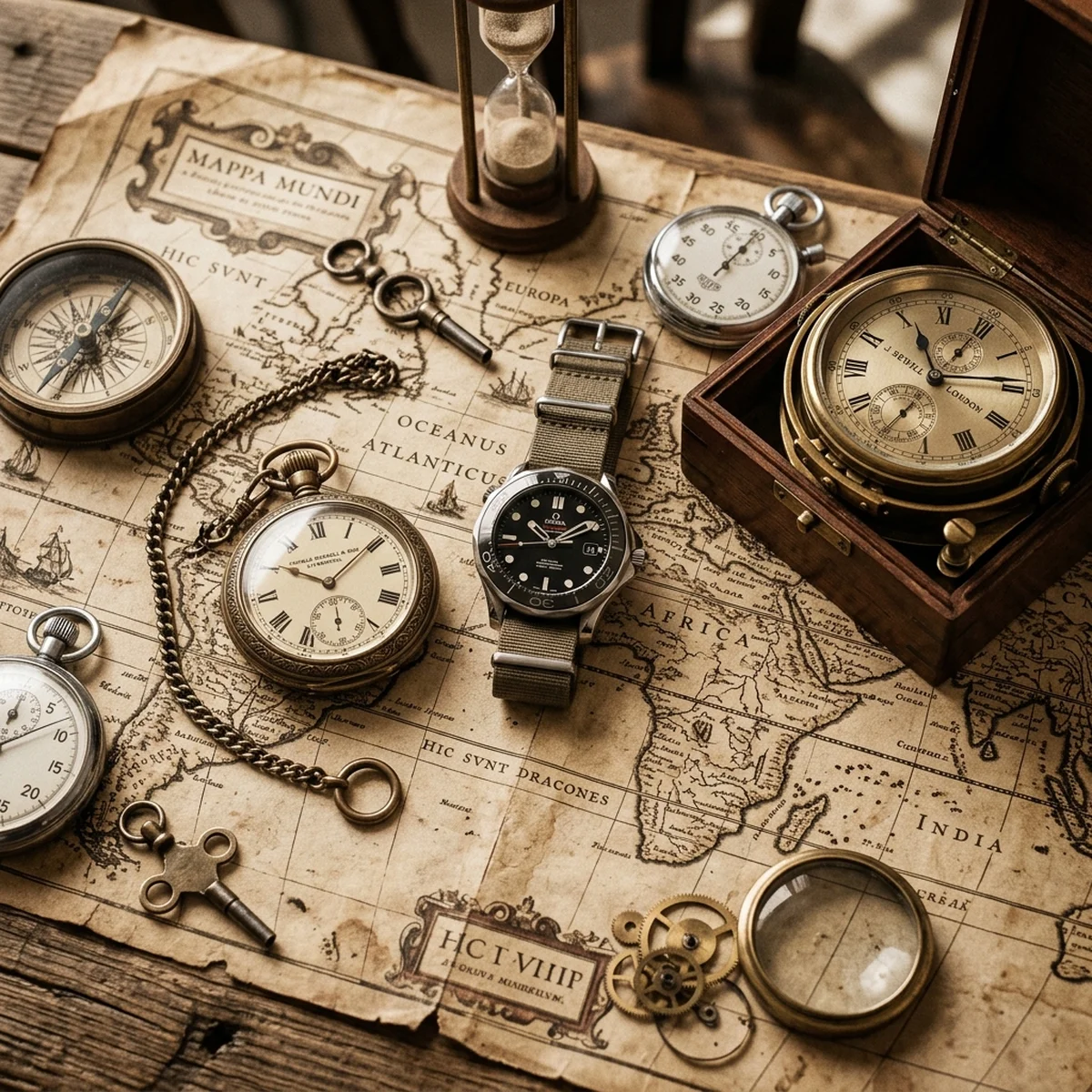
While often used casually as a synonym for a watch, a chronometer actually has a very specific technical definition. It refers to a highly precise timepiece that has been tested and certified by an official organization, such as the COSC (Contrôle Officiel Suisse des Chronomètres) in Switzerland. Historically, marine chronometers were crucial instruments used by ships for navigation at sea.
Pocket Watch
Before the wrist became the standard location for wearing a watch, gentlemen carried pocket watches. Attached to a waistcoat via an Albert chain, the pocket watch is a classic term that immediately conjures images of the 19th and early 20th centuries. Today, they remain beloved collector’s items.
Timekeeper
A broad and elegant term. While it can apply to anything from a grandfather clock to a digital stopwatch, referring to a watch as a “fine timekeeper” adds a touch of reverence to the object’s primary function.
2. Technical Terminology by Function
In the watchmaking world, timepieces are often named after the specific functions, or “complications,” they perform.
Chronograph
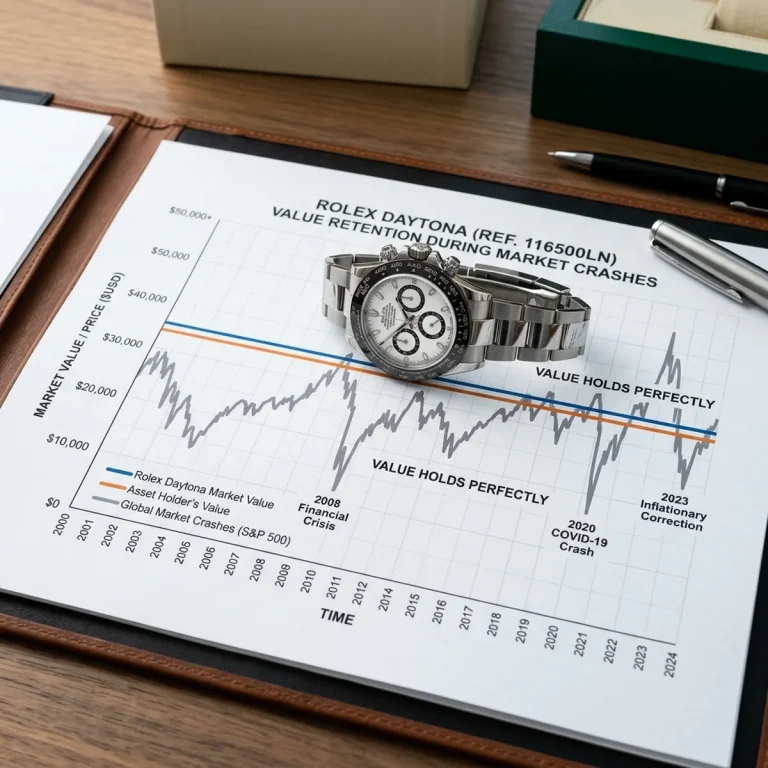
Not to be confused with a chronometer, a chronograph is a watch that features a built-in stopwatch function. It typically has additional sub-dials (registers) and pushers on the side of the case to start, stop, and reset the timer. The Rolex Daytona and Omega Speedmaster are famous chronographs.
Tourbillon
Though technically a component of the movement rather than the watch itself, a watch featuring this mechanism is often simply called a “Tourbillon.” Originally designed by Abraham-Louis Breguet in 1795 to counter the effects of gravity on pocket watches, a tourbillon places the escapement in a rotating cage. Today, it is a hallmark of ultra-high-end luxury watchmaking.
Diver / Dive Watch
A specialized name for a timepiece designed to withstand underwater pressure. Defined by high water resistance, a unidirectional rotating bezel (to track dive times), and luminous hands for visibility in the dark, the “diver” is one of the most popular styles of watch in the world.
3. Slang and Colloquialisms
Watch collectors and everyday wearers have developed a colorful lexicon of slang to describe their timepieces.
Ticker
An old-fashioned, affectionate slang term derived from the audible “tick-tock” sound made by the escapement of a mechanical watch. It is rarely used seriously today but retains a nostalgic charm.
Beater
In watch collecting circles, a “beater” is a durable, relatively inexpensive watch that you wear for rough activities—like hiking, swimming, or doing yard work—where you wouldn’t want to risk damaging a luxury piece. A Casio G-Shock or a basic Seiko diver are classic examples of beaters.
Wristwatch
The most common and literal term. Interestingly, when wristwatches were first introduced in the late 19th and early 20th centuries, they were often mockingly called “wristlets” and were considered exclusively women’s jewelry until their practical utility was proven in the trenches of World War I.
Grail
Among collectors, a “grail” watch is the ultimate, highly coveted timepiece that a person aspires to own. It is the pinnacle of their collection, often requiring significant saving or hunting to acquire.
4. Industry Specific Jargon: The “Piece”
If you spend time listening to watch dealers, auctioneers, or hardcore collectors, you will frequently hear the word “piece.”
This is shorthand for timepiece. It is often used to describe high-value items, such as, “That Patek Philippe is a stunning piece.” When referring to unique or highly complicated watches, industry insiders might call them a “Piece Unique” (a one-of-a-kind watch) or a “Grand Complication.”
Frequently Asked Questions (FAQs)
What is the difference between a clock and a watch?
The primary difference lies in portability and placement. A clock is generally larger and designed to be stationary, mounted on a wall, or placed on a desk or mantel. A watch is a portable timepiece designed to be carried in a pocket or worn on the wrist.
Why do they call it a timepiece?
The word “timepiece” is a straightforward portmanteau. It combines “time” with “piece” (referring to a crafted object or instrument). It serves as an umbrella term that covers everything from wristwatches and pocket watches to mantel clocks and marine chronometers.
What is an automatic watch called?
An automatic watch is often referred to as a “self-winding watch.” This term highlights the mechanical feature where the natural motion of the wearer’s wrist spins a rotor, which in turn winds the mainspring, powering the watch without the need for manual winding or a battery.
Conclusion
From the precise engineering implied by the term “chronometer” to the rugged affection of the word “beater,” the various names for watches and timepieces are a testament to how deeply these instruments are woven into our lives. They are not merely tools for tracking the hours; they are expressions of style, feats of micro-engineering, and historical artifacts. So, the next time you strap on your favorite ticker, you’ll know exactly the rich linguistic heritage that sits upon your wrist.
Get our latest guides, news, and insights highlighted in your Google Search & AI Overviews.