Is Worth Buying Swiss Watches Luxury
Is It Worth Buying Luxury Swiss Watches? A Comprehensive Guide
In an era where your smartphone, microwave, and computer can all tell the time with atomic precision, spending thousands of dollars on a mechanical wrist device might seem irrational. Yet, the luxury Swiss watch industry is booming, generating billions in revenue annually. From the boardrooms of Wall Street to the wrists of professional athletes and collectors, these meticulously crafted timepieces are more coveted than ever. But if you are on the fence about making your first major horological purchase, the ultimate question remains: Is it worth buying luxury Swiss watches?
The answer is rarely a simple “yes” or “no.” Whether a Swiss watch is worth the investment depends entirely on what you value: financial returns, impeccable craftsmanship, status signaling, or the sheer romance of mechanical micro-engineering. In this in-depth guide, we will break down the true value of luxury Swiss watches, exploring their craftsmanship, investment potential, maintenance costs, and why they continue to thrive in the digital age.
Contents
- The Allure of the “Swiss Made” Label
- Are Luxury Swiss Watches a Good Financial Investment?
- The Intangible Value: Why People Really Buy Them
- The Drawbacks: What to Consider Before Buying
- Swiss Watches vs. Smartwatches: Is the Mechanical Era Over?
- Frequently Asked Questions (FAQ)
- Conclusion: Should You Buy One?
The Allure of the “Swiss Made” Label
To understand why these watches command such high prices, one must first understand what the “Swiss Made” label signifies. It is not just a marketing gimmick; it is a legally protected designation enforced by the Swiss government. For a watch to bear this prestigious mark, the movement must be Swiss, it must be encased in Switzerland, and final inspections must occur within the country’s borders.
Heritage and Master Craftsmanship
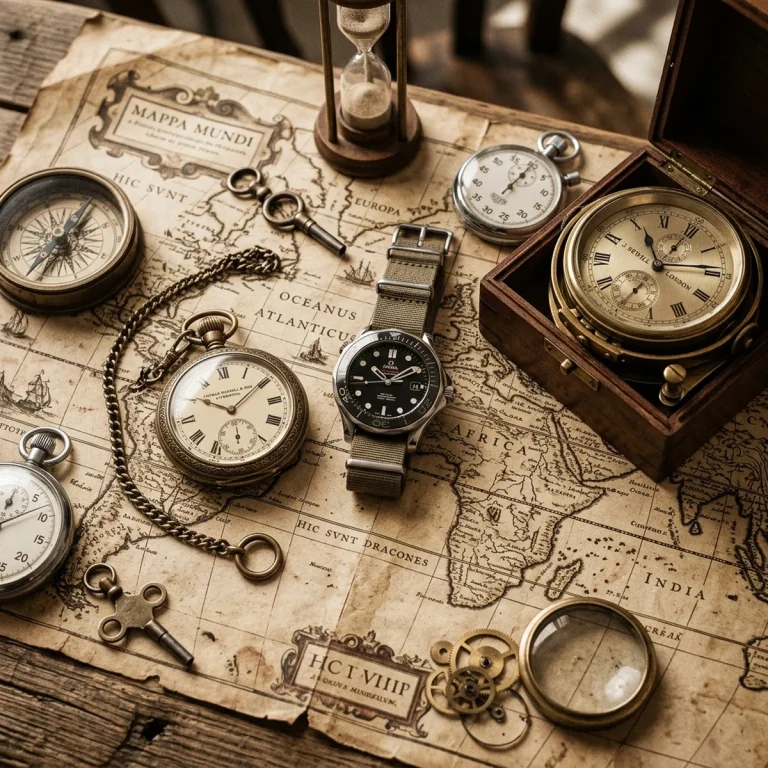
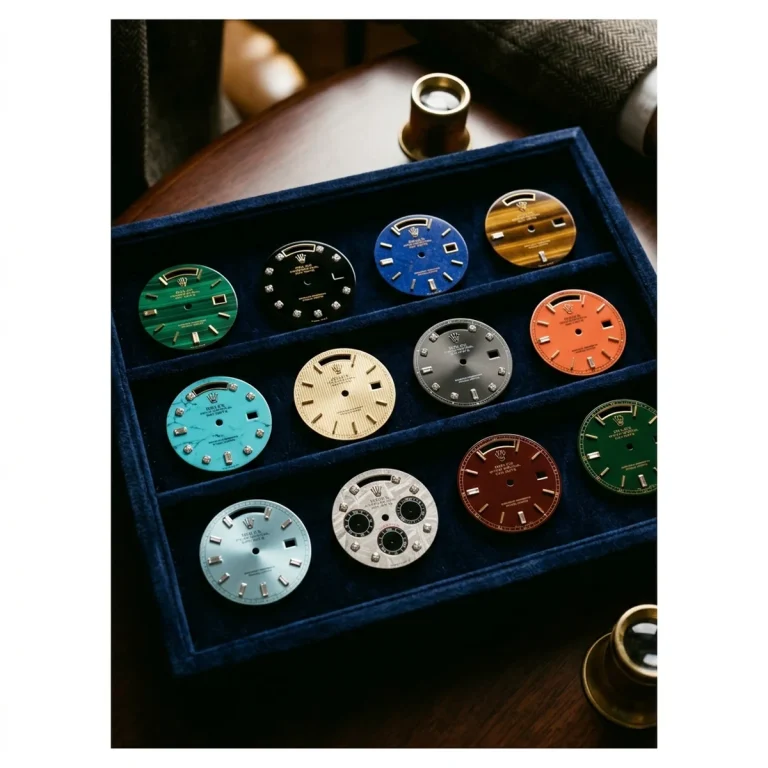
The Swiss have been perfecting the art of watchmaking for centuries. Brands like Vacheron Constantin, Patek Philippe, and Audemars Piguet have pedigrees that predate the lightbulb. When you buy a luxury Swiss watch, you are paying for generations of accumulated knowledge. The dials are often hand-finished (guilloché), the hands are thermally blued, and the movements feature intricate decorations like Côtes de Genève (Geneva stripes) and perlage. Hundreds of tiny gears, springs, and jewels are assembled by hand to create a beating mechanical heart.
Mechanical Complexity vs. Quartz Precision
It is a well-known paradox in horology that a $20 Casio quartz watch keeps better time than a $20,000 mechanical Patek Philippe. If your only goal is absolute chronological accuracy, a mechanical Swiss watch is not worth the money. However, buying a luxury mechanical watch is not about telling time; it is about how the time is told. It is an appreciation of a self-sustaining machine powered entirely by the kinetic energy of your wrist, requiring no batteries or software updates.
Are Luxury Swiss Watches a Good Financial Investment?
One of the most common justifications people use when buying a luxury watch is that it is an “investment.” However, this can be a dangerous misconception if you don’t know the market.
The “Holy Trinity” and Rolex: Appreciation vs. Depreciation
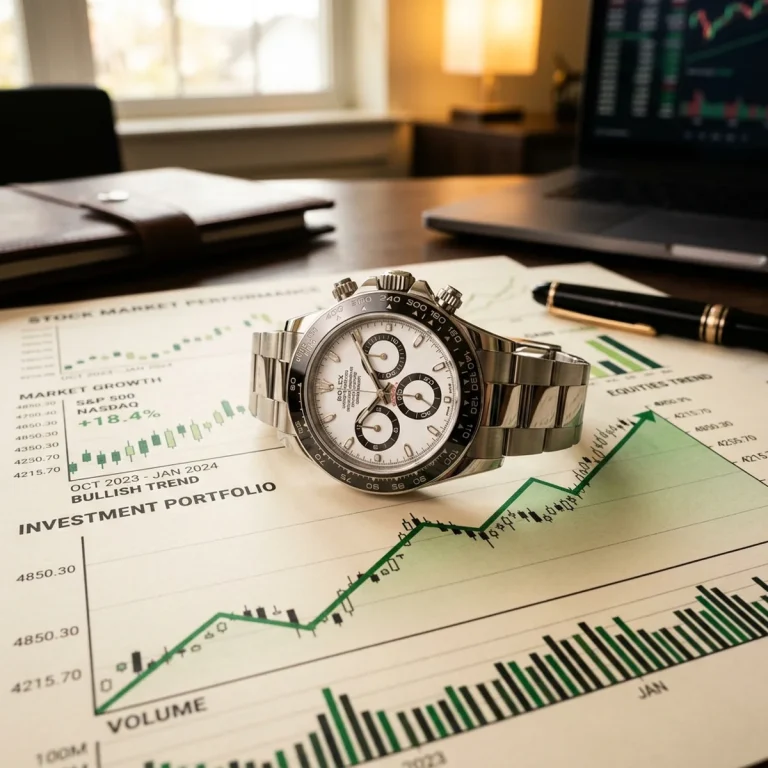
There is a very small, exclusive tier of Swiss watch brands that consistently hold or increase their value over time. Chief among them are Rolex, Patek Philippe, and Audemars Piguet. Specific steel sports models from these brands—such as the Rolex Daytona, Patek Philippe Nautilus, and Audemars Piguet Royal Oak—are notoriously difficult to buy at retail due to artificial scarcity and massive demand. As a result, they can instantly double or triple in value on the secondary grey market. If you are lucky enough to buy one of these at retail price, it is an objectively fantastic financial investment.
The Reality for the Rest of the Market
For the vast majority of luxury Swiss watch brands—including heavyweights like Omega, Breitling, TAG Heuer, and IWC—the reality is much closer to buying a luxury car. The moment you walk out of the boutique, the watch will typically lose 20% to 40% of its retail value. While they will retain a baseline intrinsic value (an Omega Speedmaster will never be worth zero), they are not financial assets that will beat the stock market. If you are buying outside the Rolex/Patek/AP sphere, you should buy the watch because you love it, not because you expect to flip it for a profit.
The Intangible Value: Why People Really Buy Them
If they aren’t always good financial investments, and they aren’t the most accurate timekeepers, why do people spend $5,000, $10,000, or $50,000 on luxury Swiss watches?
Status and Signaling
Whether we like to admit it or not, luxury watches are the ultimate status symbol. In a professional or social setting, a fine Swiss watch discreetly signals success, taste, and an appreciation for the finer things in life. Unlike a flashy sports car, a watch is a subtle nod to those “in the know.”
Heirloom Quality and Longevity
Patek Philippe’s famous marketing slogan states: “You never actually own a Patek Philippe. You merely look after it for the next generation.” This sentiment applies to almost all high-end Swiss watches. Because they are mechanical and rely on physical gears rather than circuit boards, a well-maintained Swiss watch can literally last forever. It is one of the few physical objects you can buy today, wear every single day of your life, and pass down to your children fully functional.
Personal Milestones
Many collectors tie the purchase of a luxury watch to a significant life event—a promotion, a wedding, a milestone birthday, or the birth of a child. The watch becomes a physical anchor to a cherished memory, giving it immense emotional worth that far exceeds its retail price.
The Drawbacks: What to Consider Before Buying
Before taking the plunge, it is crucial to understand the hidden costs of luxury watch ownership.
High Maintenance and Servicing Costs
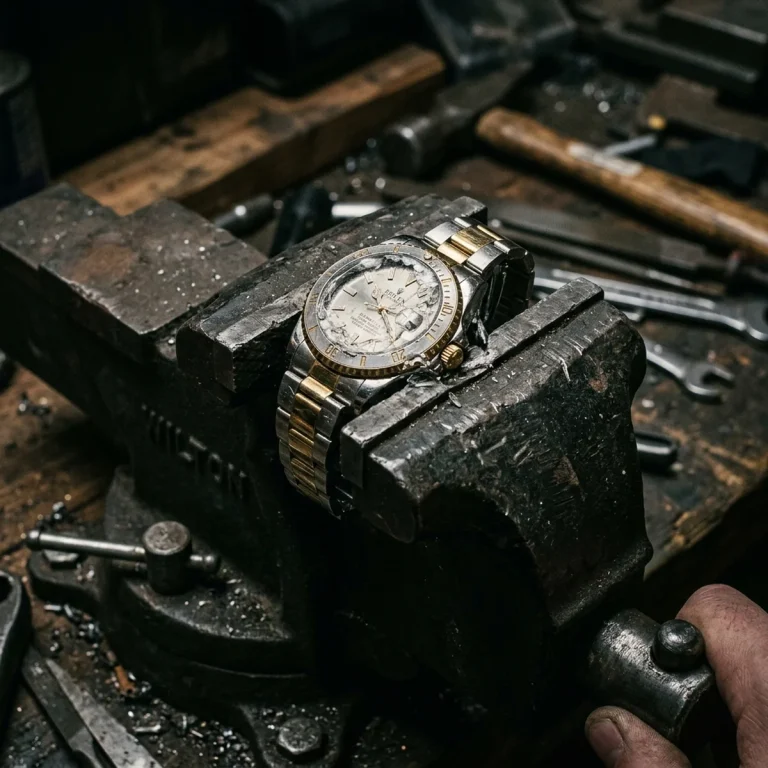
A mechanical watch is like a miniature sports car engine on your wrist. The oils inside dry up, and the metal gears experience friction. To keep a Swiss watch running accurately, it requires a full service every 5 to 10 years. Sending a watch back to Switzerland for a complete overhaul, polishing, and regulation can cost anywhere from $500 to over $2,000, depending on the complexity of the movement (e.g., chronographs and perpetual calendars cost much more to service than standard three-hand watches).
Insurance and Security
Wearing $10,000 on your wrist comes with security risks. You will likely need to add the watch to your homeowner’s insurance policy or take out dedicated jewelry insurance (like Hodinkee Insurance or Jewelers Mutual), which adds an annual carrying cost of 1% to 2% of the watch’s value.
Swiss Watches vs. Smartwatches: Is the Mechanical Era Over?
When the Apple Watch was introduced, many predicted the “Quartz Crisis 2.0” and the death of the Swiss watch industry. Surprisingly, the opposite happened. While smartwatches decimated the sub-$500 fashion watch market, the high-end mechanical market soared.
People quickly realized that smartwatches are disposable technology. An Apple Watch is obsolete in three to five years when the battery degrades and the software is no longer supported. A mechanical Swiss watch is the antidote to our disposable tech culture. It offers a screen-free sanctuary on your wrist, representing permanence in a rapidly changing world.
Frequently Asked Questions (FAQ)
Do all Swiss watches hold their value?
No. The vast majority of Swiss watches depreciate immediately after purchase, much like a new car. Only specific, highly sought-after steel sports models from brands like Rolex, Patek Philippe, Audemars Piguet, and occasionally Vacheron Constantin tend to appreciate or hold retail value on the secondary market.
Are entry-level Swiss watches worth it?
Yes. Brands like Tissot, Hamilton (Swiss-made despite American roots), and Longines offer incredible value. For $500 to $2,500, you get genuine Swiss mechanical movements, sapphire crystals, and excellent build quality without the exorbitant luxury markup.
How long do luxury Swiss watches last?
With proper care and regular servicing every 5 to 10 years, a mechanical luxury Swiss watch can last indefinitely. It is common for watches from the 1940s and 1950s to still keep excellent time today.
Why are Swiss watches so expensive?
The high price is driven by the cost of skilled labor in Switzerland, the research and development required to create complex mechanical movements, the use of precious materials (gold, platinum, synthetic sapphire), and extensive marketing and brand positioning.
Conclusion: Should You Buy One?
So, is it worth buying a luxury Swiss watch? If you view it purely as a tool to tell time or a guaranteed financial asset to flip for a profit, the answer is likely no. The costs are high, the maintenance is expensive, and quartz or smartwatches are objectively better at basic timekeeping.
However, if you appreciate the romance of mechanical engineering, the rich history of Swiss horology, the subtle status it conveys, and the idea of owning a beautifully crafted object that will outlive you, then a luxury Swiss watch is absolutely worth the investment. It is not a logical purchase; it is an emotional one. And in a world filled with disposable, planned obsolescence, a true Swiss mechanical watch remains a timeless beacon of enduring craftsmanship.
Get our latest guides, news, and insights highlighted in your Google Search & AI Overviews.