Power Your Timepiece: Automatic Watch vs Kinetic Comparison
Are you considering upgrading your timepiece to something more advanced? In the realm of modern watches, two popular choices stand out: automatic and kinetic watches. Both offer unique advantages and appeal to different preferences. In this article, we will delve into the key differences between these two watch movement technologies to help you power your timepiece with confidence and clarity. Let’s explore the world of automatic and kinetic watches and find out which one suits your style and needs best.
Contents
- Automatic Watches: Dive into the Fascinating Mechanics behind this Classic Timepiece
- Kinetic Watches: A New Innovation in Watch Technology Explained
- Power Source: Comparing the Efficiency and Convenience of Automatic vs Kinetic Watches
- Precision and Accuracy: Which Watch Type Offers Better Timekeeping?
- Automatic Watches
- Kinetic Watches
- Maintenance Matters: Understanding the Long-Term Costs of Automatic and Kinetic Watches
- Style and Design: Choosing the Perfect Timepiece to Suit Your Personality
- Environmental Impact: Evaluating the Sustainability of Automatic and Kinetic Watches
- Durability Test: Which Watch Type Stands the Test of Time?
- Price Point: Comparing the Value and Investment Potential of Automatic vs Kinetic Watches
- Wrapping Up
Automatic Watches: Dive into the Fascinating Mechanics behind this Classic Timepiece
When it comes to choosing a timepiece, the debate between automatic watches and kinetic watches is one that often arises. While both offer unique features and benefits, understanding the mechanics behind these classic timepieces can help you make an informed decision.
Automatic Watches:
- Powered by the natural motion of the wearer’s arm
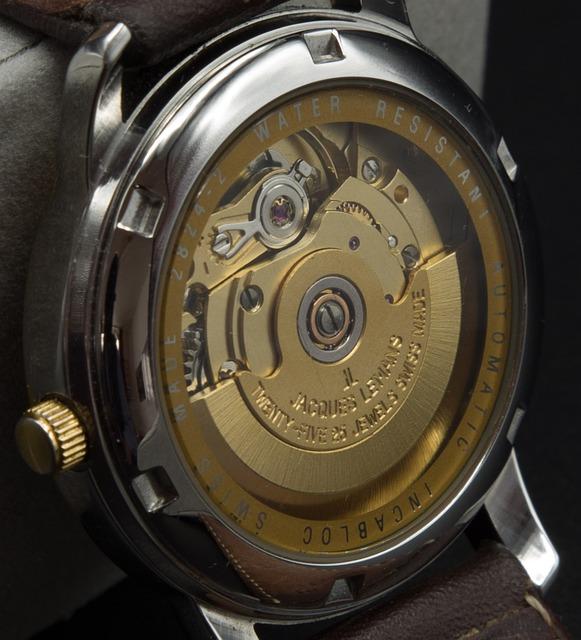
- Contain a rotor that winds the watch’s mainspring
- No battery required, making them environmentally friendly
Kinetic Watches:
- Utilize the motion of the wearer to power a small generator
- Store energy in a rechargeable battery for continuous operation
- Combines the best of both automatic and quartz watches
| Feature | Automatic Watch | Kinetic Watch |
|---|---|---|
| Power Source | Motion of wearer’s arm | Motion of wearer’s arm |
| Battery | No | Rechargeable |
| Environmentally friendly | Yes | Yes |

Kinetic Watches: A New Innovation in Watch Technology Explained
Automatic watches and kinetic watches are two similar but distinct types of timepieces that are often confused with each other. While both rely on movement to power the watch, there are key differences that set them apart. Here, we’ll break down the differences between automatic watches and kinetic watches to help you understand how each works.
Key Differences:
- Automatic watches are powered by the natural motion of the wearer’s wrist, whereas kinetic watches are powered by the movement of a rotor inside the watch that generates electricity.
- Automatic watches do not require batteries, while kinetic watches do.
- Kinetic watches typically have a longer power reserve than automatic watches, making them more reliable for long-term use.
Pros and Cons:
| Feature | Automatic Watch | Kinetic Watch |
|---|---|---|
| Power Source | Wrist movement | Rotor movement |
| Battery | No | Yes |
| Power Reserve | Shorter | Longer |
Overall, both automatic and kinetic watches are innovative technologies that offer unique benefits to watch enthusiasts. Whether you prefer the traditional elegance of an automatic watch or the high-tech functionality of a kinetic watch, both options provide a stylish and reliable way to keep track of time.

Power Source: Comparing the Efficiency and Convenience of Automatic vs Kinetic Watches
When it comes to choosing a watch that suits your lifestyle and preferences, one important factor to consider is the power source. Automatic watches and kinetic watches are two popular options, each with its own set of advantages and disadvantages. Let’s take a closer look at how these two types of watches compare in terms of efficiency and convenience.
**Automatic Watches:**
– The power source for automatic watches is a self-winding mechanism that utilizes the natural motion of the wearer’s wrist to keep the watch running.
– Pros:
– No need for battery replacement.
– Environmentally friendly.
– Traditional and classic appeal.
– Cons:
– Requires regular wear to keep running.
– Can lose time if not worn consistently.
**Kinetic Watches:**
– Kinetic watches are powered by the movement of the wearer’s wrist, which is then converted into electrical energy to power the watch.
– Pros:
– Does not require regular wear to keep running.
– Can store power for extended periods when not worn.
– Accurate timekeeping.
– Cons:
- May require battery replacement over time.
– Limited power reserve compared to automatic watches.
In conclusion, when deciding between an automatic watch and a kinetic watch, consider your daily routine, how often you wear a watch, and your preferences for maintenance. Both types of watches have their unique benefits, so choose the one that best fits your lifestyle and needs.
Precision and Accuracy: Which Watch Type Offers Better Timekeeping?
When it comes to the accuracy and precision of timekeeping, automatic watches and kinetic watches both have their own unique features that set them apart. Let’s dive into the comparison to see which type offers better timekeeping:
Automatic Watches
- Powered by the movement of the wearer’s wrist
- May require periodic winding to maintain accuracy
- Potential for slight time variations due to mechanical nature
Kinetic Watches
- Powered by the movement of the wearer’s body
- Utilizes a rotor and quartz timing for consistent accuracy
- No need for manual winding, as long as worn regularly
Ultimately, when it comes to precision and accuracy, kinetic watches often provide more consistent timekeeping due to their reliance on quartz timing technology. However, some watch enthusiasts may appreciate the traditional mechanical craftsmanship of automatic watches despite potential slight variations in timekeeping. The choice between the two ultimately depends on personal preference for style, technology, and maintenance.

Maintenance Matters: Understanding the Long-Term Costs of Automatic and Kinetic Watches
When it comes to choosing between an automatic watch and a kinetic watch, understanding the long-term costs of maintenance is crucial. Both types of watches are popular choices for watch enthusiasts, but they have different mechanisms that can impact maintenance requirements and associated costs.
Automatic Watches:
- Powered by the movement of the wearer’s arm
- Requires regular servicing every 3-5 years
- Typically more expensive to service due to intricate mechanical components
- Costs can vary depending on the brand and complexity of the watch
Kinetic Watches:
- Powered by the movement of a rotor that generates electricity
- Requires a battery replacement every 2-3 years
- Less complex internal mechanisms compared to automatic watches
- Generally more affordable to maintain in the long run
Ultimately, the choice between an automatic and kinetic watch comes down to personal preference and budget. While automatic watches may require more frequent and costly maintenance, the intricate craftsmanship and mechanical allure make them a timeless investment for watch collectors. On the other hand, kinetic watches offer a more affordable maintenance option with reliable timekeeping functionality.

Style and Design: Choosing the Perfect Timepiece to Suit Your Personality
When it comes to choosing the perfect timepiece to match your personality, there are a few key factors to consider. One of the most important decisions you’ll need to make is whether to go for an automatic watch or a kinetic watch. Both types of watches have their own unique features and benefits, so it ultimately comes down to your personal preferences and lifestyle.
Automatic Watches:
- Runs on the movement of your wrist, so no battery is required
- Provides a traditional and classic look
- Usually more expensive than kinetic watches
- Requires regular winding to keep accurate time
Kinetic Watches:
- Powered by the movement of your body
- Combines the best of both automatic and quartz watches
- Typically more affordable than automatic watches
- Does not require regular winding like automatic watches
| Features | Automatic Watches | Kinetic Watches |
| Power Source | Movement of wrist | Movement of body |
| Cost | More expensive | More affordable |
| Maintenance | Regular winding required | No regular winding needed |
Ultimately, whether you choose an automatic watch or a kinetic watch, it’s important to select a timepiece that reflects your style and personality. Consider what features are most important to you, whether it’s the convenience of not having to wind your watch or the classic look of an automatic timepiece. Whichever you choose, make sure it’s a watch that you’ll love wearing every day.

Environmental Impact: Evaluating the Sustainability of Automatic and Kinetic Watches
When it comes to choosing between an automatic watch and a kinetic watch, it’s important to consider the environmental impact of each timepiece. Both types of watches offer unique benefits, but their sustainability factor varies.
**Automatic Watches:**
– Powered by the movement of the wearer’s wrist
– No need for batteries, reducing electronic waste
– Typically made with durable materials, leading to longer lifespan
– Energy-efficient design minimizes environmental footprint
**Kinetic Watches:**
– Utilize movement of the wearer to generate electricity
- Battery-free operation reduces waste
– Can be charged quickly and easily
– Sustainable option for eco-conscious consumers
In comparing the sustainability of automatic and kinetic watches, it’s clear that both options offer environmentally friendly features. However, the choice ultimately comes down to personal preference and lifestyle. Whether you opt for the classic appeal of an automatic watch or the innovative technology of a kinetic watch, you can feel good about making a sustainable choice for your timepiece.
Durability Test: Which Watch Type Stands the Test of Time?
When it comes to choosing a timepiece that will last, durability is a key factor to consider. In this comparison between automatic watches and kinetic watches, we will delve into the features and construction of each type to determine which one stands the test of time.
Automatic Watches:
- Powered by the movement of the wearer’s wrist
- Mechanical movement with intricate inner workings
- May require regular servicing to ensure longevity
- Classic and traditional appeal
Kinetic Watches:
- Powered by the movement of the wearer’s wrist or by a rechargeable battery
- Combines mechanical and electronic components
- Low maintenance requirements compared to automatic watches
- Modern and innovative design
| Watch Type | Durability Rating |
|---|---|
| Automatic | ★★★☆☆ |
| Kinetic | ★★★★☆ |
Ultimately, both automatic and kinetic watches have their strengths when it comes to durability. While automatic watches have a classic appeal and intricate mechanics, kinetic watches offer a modern design and lower maintenance requirements. The choice between the two will depend on your personal style preferences and level of commitment to maintenance. Whichever you choose, a quality timepiece will surely stand the test of time.

Price Point: Comparing the Value and Investment Potential of Automatic vs Kinetic Watches
In the world of watches, there are two popular choices for timepieces that offer unique features and benefits: automatic watches and kinetic watches. When comparing the price point of these two types of watches, it’s essential to consider the value and investment potential they bring to the table.
Automatic Watches:
- Highly coveted for their intricate craftsmanship and traditional appeal
- Powered by the movement of the wearer’s wrist, eliminating the need for batteries
- Require regular maintenance to ensure accuracy and longevity
- Can be a valuable investment due to their classic design and mechanical complexity
Kinetic Watches:
- Combine the best of both automatic and quartz watches, offering precise timekeeping with a self-winding mechanism
- Utilize a rotor to generate power from the wearer’s movement, storing it in a rechargeable battery
- Low-maintenance option compared to automatic watches, as they typically only require periodic battery changes
- Great for everyday wear and ideal for those looking for a reliable and hassle-free timepiece
| Criteria | Automatic Watches | Kinetic Watches |
|---|---|---|
| Price Range | $$ – $$$$ | $$ – $$$ |
| Maintenance | Regular servicing required | Minimal maintenance needed |
| Power Source | Movement of the wearer’s wrist | Self-winding mechanism |
| Longevity | Can last a lifetime with proper care | Long-lasting with periodic battery changes |
Wrapping Up
In conclusion, when considering the choice between an automatic watch and a kinetic watch, it’s important to keep in mind the key differences in power source, maintenance, and convenience. Automatic watches are loved for their craftsmanship and traditional appeal, while kinetic watches offer convenience and reliability for everyday wear. Ultimately, the decision boils down to personal preference and lifestyle. Whichever option you choose, both types of watches have their own unique charm and functionality. Take the time to explore and understand the differences to find the perfect timepiece that suits your needs and style.
Get our latest guides, news, and insights highlighted in your Google Search & AI Overviews.