Relax and Unwind: How to Unwind a Mechanical Watch
Ever wondered how to properly unwind your mechanical watch? In a world filled with hectic schedules and constant distractions, taking the time to relax and unwind is essential for maintaining your timepiece’s longevity and performance. In this article, we’ll explore tips and techniques for unwinding your mechanical watch to ensure it stays in optimal condition for years to come. So sit back, relax, and let’s delve into the world of horological care.
Contents
- Understanding the Components of a Mechanical Watch
- Step-by-Step Guide to Unwinding a Mechanical Watch
- Different Techniques for Unwinding Various Types of Watches
- Tips for Preventing Overwinding and Damage
- Signs that Your Watch Needs to be Unwound
- Benefits of Regularly Unwinding Your Mechanical Watch
- Common Mistakes to Avoid When Unwinding a Watch
- Expert Recommendations for Maintaining Your Watch’s Health
- In Conclusion
Understanding the Components of a Mechanical Watch
Overview of Mechanical Watch Components
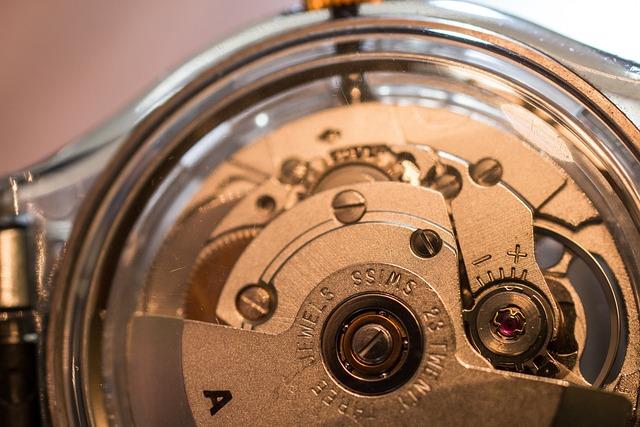
When it comes to understanding the intricate workings of a mechanical watch, it’s essential to familiarize yourself with its various components. From the movement to the crown, each part plays a crucial role in ensuring the watch functions correctly and keeps accurate time.
- Movement: The heart of a mechanical watch, the movement is responsible for powering the timekeeping functions. There are two main types of movements – manual and automatic.
- Balance Wheel: This component controls the oscillation of the movement, regulating the accuracy of the watch. It’s often considered the heartbeat of the watch.
- Escapement: The escapement is responsible for transferring energy from the mainspring to the balance wheel, allowing the watch to tick at a consistent rate.
Guidelines for Unwinding a Mechanical Watch
Unwinding a mechanical watch may seem like a daunting task, but with the right techniques, it can be a simple and satisfying process. Here are some guidelines to help you unwind your watch effectively:
- Remove the watch from your wrist: Before unwinding the watch, ensure it’s securely removed from your wrist to prevent any accidental damage.
- Locate the crown: The crown is the small knob on the side of the watch that is used for setting the time and winding the watch. Gently pull it out to the winding position.
- Turn the crown clockwise: Slowly rotate the crown in a clockwise direction until you feel resistance. Be careful not to overwind the watch, as this can cause damage to the movement.

Step-by-Step Guide to Unwinding a Mechanical Watch
To successfully unwind a mechanical watch, you will need to follow a series of careful steps. First, make sure you are in a quiet and comfortable environment to avoid any distractions. Lay out a soft cloth or watchmaker’s mat to place the watch on during the process.
Next, gently remove the watch from your wrist and place it on the cloth with the watch face up. Ensure that the crown (the small knob on the side of the watch) is pushed in all the way. This will help prevent any accidental adjustments while you are working on the watch.
Now, slowly turn the crown counterclockwise until you feel it resist. This is known as the “stopping point” and indicates that the mainspring is fully unwound. Be cautious not to force the crown past this point as it can potentially damage the watch mechanism.
Finally, once the mainspring is fully unwound, carefully wind the crown clockwise a few times to reset the time and ensure the watch is ready for use. By following these steps, you can safely unwind your mechanical watch and keep it running smoothly for years to come.
Different Techniques for Unwinding Various Types of Watches
When it comes to unwinding a mechanical watch, there are several techniques you can use depending on the type of watch you have. Here are some tips on how to properly unwind different types of watches:
- Manual Wind Watches: For manual wind watches, simply turn the crown in a clockwise direction until you feel resistance. This indicates that the mainspring is fully wound.
- Automatic Watches: Automatic watches can be unwound by gently shaking the watch from side to side to engage the rotor and allow it to wind down naturally.
- Quartz Watches: Quartz watches do not require winding as they are powered by a battery. To “unwind” a quartz watch, simply remove the battery when it needs to be replaced.
It’s important to follow the correct unwinding technique for your specific type of watch to avoid damaging the movement. By properly unwinding your watch, you can ensure that it continues to run smoothly and accurately for years to come.

Tips for Preventing Overwinding and Damage
When it comes to caring for your mechanical watch, one of the key things to watch out for is overwinding. Overwinding can cause damage to the delicate inner workings of your timepiece and potentially lead to expensive repairs. To prevent overwinding and avoid damaging your watch, follow these simple tips:
- **Know the power reserve:** Familiarize yourself with the power reserve of your watch so you know how many turns of the crown are needed to fully wind it.
- **Gently wind the crown:** When winding your watch, always do so gently and slowly. Avoid forcing the crown or winding it past the point of resistance.
- **Stick to a routine:** Get into the habit of winding your watch at the same time each day to avoid overwinding it accidentally.
- **Consider a watch winder:** If you have multiple watches in your collection, investing in a watch winder can help keep your timepieces properly wound without the risk of overwinding.
| Tip | Think about investing in a manual winding watch for a more hands-on experience. |
| Important | Avoid letting your watch wind down completely, as this can cause the oils to dry up and affect its accuracy. |
By following these tips and taking proper care of your mechanical watch, you can ensure that it stays in top condition and continues to keep accurate time for years to come.

Signs that Your Watch Needs to be Unwound
If you notice any of the following signs, it may be time to unwind your mechanical watch:
- Sluggish Movement: If your watch starts to tick slower than usual or stops altogether, it may be a sign that it needs to be wound.
- Inconsistent Timekeeping: If you find that your watch is losing or gaining time, it could be a result of it needing to be wound.
- Stiff Crown: If the crown on your watch becomes difficult to wind or feels tight, it may be a signal that it needs to be unwound.
- Lack of Power Reserve: If your watch’s power reserve seems to be decreasing, it may be time to give it a good wind.

Benefits of Regularly Unwinding Your Mechanical Watch
Regularly unwinding your mechanical watch not only helps to maintain its accuracy but also has additional benefits for both the watch and the wearer. By taking the time to unwind your watch, you can extend its lifespan and keep it in optimal condition for longer. Here are some key :
- Prevents Overwinding: Regularly unwinding your watch prevents the mainspring from being wound too tightly, which can lead to potential damage to the movement.
- Allows Movement Components to Rest: Unwinding your watch gives the gears and components inside the movement a chance to rest, reducing wear and tear over time.
- Enhances Accuracy: By consistently unwinding and winding your watch, you can help maintain its accuracy and timekeeping performance.
- Promotes Mindful Relaxation: Taking the time to unwind your watch can also serve as a mindful moment of relaxation for you, helping to reduce stress and promote a sense of calm.
Incorporating the habit of unwinding your mechanical watch into your daily routine can not only benefit the watch itself but also provide you with a moment of peace and relaxation in a busy world. So, take some time each day to unwind your watch and enjoy the benefits it can bring to both your timepiece and your well-being.
Common Mistakes to Avoid When Unwinding a Watch
When it comes to unwinding a mechanical watch, there are a few common mistakes that can easily be avoided. By being aware of these pitfalls, you can ensure that your timepiece stays in optimal condition and functions smoothly for years to come.
- Overwinding: One of the most common mistakes people make when unwinding a watch is overwinding it. This can put unnecessary strain on the internal components of the watch and may lead to damage. Be sure to stop winding once you feel resistance, as this indicates that the mainspring is fully wound.
- Incorrect direction: Another mistake to avoid is winding the watch in the wrong direction. Most mechanical watches are designed to be wound clockwise, so be sure to follow this direction to prevent any issues with the movement.
- Rough handling: It’s important to handle your watch with care when unwinding it. Avoid shaking or dropping the watch, as this can cause damage to the delicate components inside. Take your time and unwind the watch gently to ensure its longevity.
By keeping these common mistakes in mind, you can confidently unwind your mechanical watch without fear of causing any harm. Remember to handle your timepiece with care and respect, and it will continue to serve you well for years to come.

Expert Recommendations for Maintaining Your Watch’s Health
When it comes to maintaining the health of your mechanical watch, unwinding it properly is crucial. Improperly unwinding your watch can lead to complications and even damage over time. Here are some expert recommendations to help you relax and unwind your mechanical watch:
Rotate the Crown Gently: When unwinding your watch, make sure to rotate the crown gently and evenly. Avoid exerting too much force as this can cause unnecessary wear and tear on the mechanism.
Set Aside Time: Take your time unwinding your watch, rushing through the process can lead to mistakes. Find a quiet, comfortable space where you can focus solely on unwinding your watch.
Avoid Overwinding: Be mindful not to overwind your watch as this can put strain on the movement. Most watches will have some resistance when fully wound, so stop winding once you feel this resistance.
| Watch Brand | Unwinding Technique |
|---|---|
| Rolex | Gently turn the crown clockwise until you feel resistance, then stop |
| Omega | Rotate the crown counterclockwise until the watch stops winding |
In Conclusion
In conclusion, properly unwinding a mechanical watch is an important step in maintaining its longevity and accuracy. By following these simple steps, you can ensure that your timepiece continues to function properly for years to come. Remember to always gently unwind your watch and avoid overwinding to prevent any damage. Take care of your mechanical watch, and it will take care of you by keeping you on time and stylish. Happy unwinding!
Get our latest guides, news, and insights highlighted in your Google Search & AI Overviews.