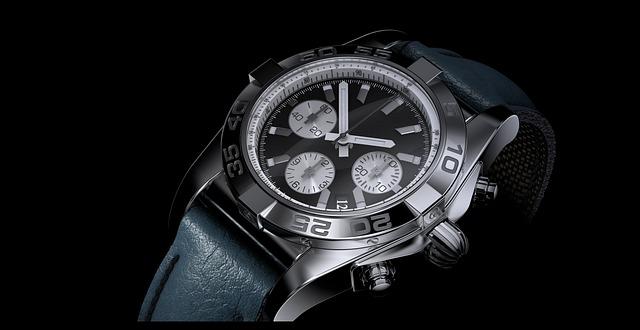
Timepiece Troubleshooting: How to Fix a Mechanical Watch
Are you tired of your mechanical watch not keeping time accurately or not working properly? Don’t worry, we’ve got you covered. In this article, we’ll walk you through some common issues with mechanical watches and provide you with easy-to-follow solutions to get your timepiece ticking perfectly again. Stay tuned to learn how to troubleshoot and fix your mechanical watch like a pro!
Contents
Understanding the Internal Components of a Mechanical Watch
One of the most fascinating aspects of a mechanical watch is its intricate internal components that work together to keep time accurately. Understanding the inner workings of a mechanical watch can help you troubleshoot any issues that may arise and even attempt to fix the watch yourself.
Main Components of a Mechanical Watch:
- Escapement: This is a crucial component that regulates the movement of the gears and hands in a watch, ensuring accurate timekeeping.
- Balance Wheel: The balance wheel oscillates back and forth, controlling the speed at which the gears move.
- Gear Train: This is a series of interconnected gears that transmits power from the mainspring to the escapement, ultimately driving the hands of the watch.
Common Issues with Mechanical Watches:
- Timekeeping Inaccuracy: If your watch is consistently running fast or slow, it may need adjustment.
- Power Reserve: If your watch doesn’t seem to be holding a charge for as long as it should, the mainspring may need to be replaced.
- Stuck Gears: If the hands of your watch are not moving smoothly, there may be a blockage or obstruction in the gear train.
By gaining a deeper understanding of the internal components of your mechanical watch, you can confidently troubleshoot and potentially fix any issues that may arise. Remember, working on delicate watch components requires precision and care, so proceed with caution.

Identifying and Resolving Issues with the Crown and Stem
One common issue that mechanical watches can face is problems with the crown and stem. The crown is the knob on the side of the watch that is used to set the time and date, while the stem is the part that connects the crown to the movement inside the watch. If you are having trouble with either of these components, there are some steps you can take to identify and resolve the issue.
First, check to see if the crown is stuck or difficult to pull out. This could be due to dirt, debris, or corrosion preventing it from moving smoothly. To fix this issue, gently clean the area around the crown with a soft cloth and some mild soapy water. If that doesn’t work, you may need to take your watch to a professional for a more thorough cleaning.
Another common problem with the crown and stem is that it may have become loose or detached from the movement. If this is the case, you will need to carefully reattach the stem to the movement using a small screwdriver or other tool. Be sure to handle the components gently and make sure everything is aligned properly before tightening any screws.
Overall, issues with the crown and stem of a mechanical watch can often be resolved with some basic troubleshooting and maintenance. If you’re unsure about how to proceed or if the problem persists, don’t hesitate to seek help from a reputable watch repair specialist. Taking care of these components will help ensure that your timepiece continues to function properly for years to come.
Dealing with Water Damage in a Mechanical Watch
If you find that your mechanical watch has been damaged by water, it’s important to act quickly to prevent further harm to its delicate components. Here are some steps you can take to address water damage in your timepiece:
Remove the watch from water immediately: As soon as you notice water has entered your watch, take it out of the water promptly to avoid additional damage.
Dry the watch: Use a soft, absorbent cloth to gently pat the watch dry. Avoid using heat sources such as hair dryers, as they can damage the delicate internal mechanisms of the watch.
- Take it to a professional: If you’re unsure about how to proceed or if the watch has sustained significant water damage, it’s best to take it to a professional watchmaker. They will be able to assess the extent of the damage and make any necessary repairs.
Remember, prevention is always better than cure when it comes to water damage in a mechanical watch. Be mindful of where you wear your watch and avoid exposing it to water whenever possible to keep it in top condition.
Seeking Professional Help for Complex Watch Repairs
Having trouble with your mechanical watch? Don’t worry, we’ve got you covered. When it comes to complex watch repairs, seeking professional help is crucial to ensure your timepiece is in top-notch condition. Here are some tips on how to fix a mechanical watch:
- Identify the issue: Before attempting any repairs, it’s important to figure out what exactly is wrong with your watch. Is it running too fast or too slow? Is the hands not moving properly? Identifying the problem will help you determine the best course of action.
- Consult a professional: If you’re not comfortable taking apart your watch or if the issue seems too complex, it’s best to consult a professional watchmaker. They have the knowledge and expertise to diagnose and fix any problems with your timepiece.
- Use the right tools: If you’re confident in your abilities to repair the watch yourself, make sure you have the right tools for the job. Tweezers, screwdrivers, and a magnifying glass can come in handy when working on intricate watch parts.
- Follow a guide: If you’re following a DIY repair guide online, make sure to follow the instructions carefully and double-check your work as you go along. One wrong move can cause more harm than good to your watch.
The Conclusion
In conclusion, troubleshooting a mechanical watch may seem daunting at first, but with a bit of knowledge and practice, you can fix many common issues yourself. Remember to handle your watch with care, pay attention to detail, and don’t be afraid to seek help if needed. By following the steps outlined in this article, you’ll be able to keep your favorite timepiece ticking for years to come. Happy repairing!
Get our latest guides, news, and insights highlighted in your Google Search & AI Overviews.