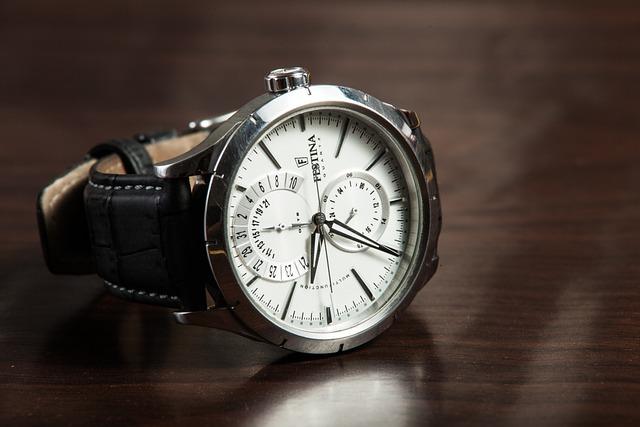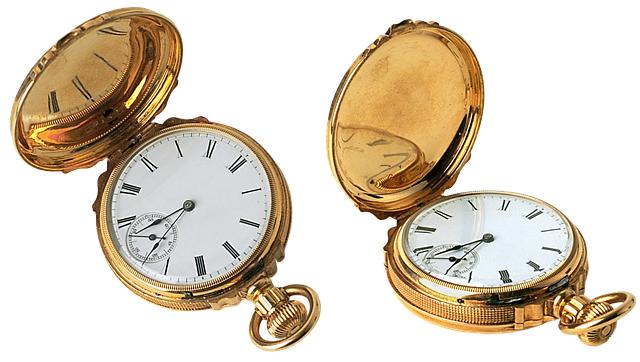
Watch Quartz vs Mechanical: Decoding the Timekeeping Battle
Are you curious about the inner workings of your timepiece? In the world of watches, there’s a fierce battle between quartz and mechanical movements. Both have their own unique charms and advantages. Let’s dive into the fascinating world of watch movements and decode the differences between quartz and mechanical timepieces.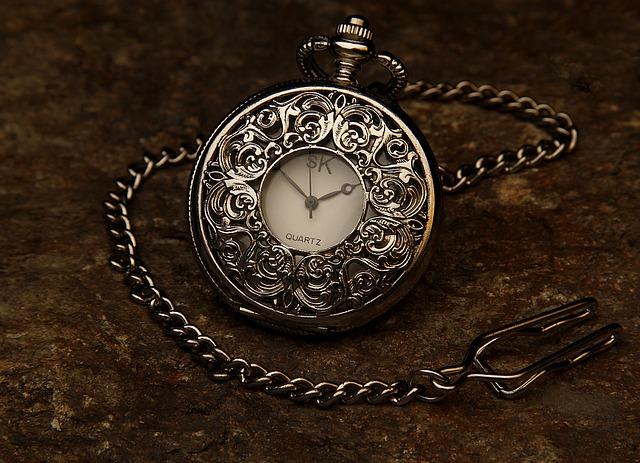
Contents
- Watch Quartz vs Mechanical: Decoding the Timekeeping Battle
- Quartz Watches
- Mechanical Watches
- The Verdict
- The Inner Workings of a Watch: Understanding Quartz Movement
- Old School Charm: Exploring the Intricacies of Mechanical Watches
- Precision vs Tradition: Comparing Accuracy and Craftsmanship
- Durability Matters: Evaluating the Longevity of Quartz and Mechanical Watches
- Maintenance Simplified: Tips on Caring for Your Quartz or Mechanical Watch
- Style and Functionality: Choosing Between Quartz and Mechanical for Everyday Wear
- Cost Considerations: The Price Tag of Quartz vs Mechanical Watches
- In Conclusion: Making an Informed Decision on Your Next Timepiece
- To Wrap It Up
Watch Quartz vs Mechanical: Decoding the Timekeeping Battle
Quartz Watches
Quartz watches are known for their accuracy, as they are powered by a quartz crystal that vibrates at a consistent frequency when an electric current passes through it. This allows quartz watches to keep time with precision, typically losing or gaining only a few seconds per month. The use of quartz technology has made watches more affordable and accessible to a wider audience.
- High accuracy
- Battery-powered
- Low maintenance
- More affordable
Mechanical Watches
Mechanical watches, on the other hand, are powered by a complex system of gears and springs that work together to keep time. These watches are often prized for their craftsmanship and traditional appeal. While mechanical watches may not be as accurate as quartz watches, they are appreciated for their intricate movements and the artistry involved in their construction.
- Handcrafted movement
- No battery required
- Collector’s item
- Traditional appeal
The Verdict
In the battle between quartz and mechanical watches, the choice ultimately comes down to personal preference. If you value accuracy and convenience, a quartz watch may be the best option for you. On the other hand, if you appreciate the craftsmanship and history of watchmaking, a mechanical watch may be more to your liking. Whichever you choose, both types of watches have their own unique charm and appeal.
| Quartz Watches | Mechanical Watches |
|---|---|
| High accuracy | Handcrafted movement |
| Battery-powered | No battery required |
| Low maintenance | Collector’s item |
| More affordable | Traditional appeal |

The Inner Workings of a Watch: Understanding Quartz Movement
Quartz movement watches and mechanical movement watches are two popular types of timekeeping devices. Here, we will delve into the inner workings of a watch with a focus on quartz movement to understand how these timepieces operate.
Quartz movement watches are powered by a battery that sends an electric current through a quartz crystal, causing it to vibrate at a precise frequency. This vibration is then converted into accurate timekeeping signals, making quartz watches incredibly accurate and reliable.
One of the key advantages of quartz movement watches is their low maintenance requirements. Unlike mechanical watches that require regular winding or servicing, quartz watches typically only need a battery replacement every few years.
Overall, understanding the inner workings of a watch, especially the differences between quartz and mechanical movements, can help you make an informed decision when choosing a timepiece that suits your style and needs.

Old School Charm: Exploring the Intricacies of Mechanical Watches
When it comes to timepieces, there has always been a debate between watch quartz and mechanical movements. While quartz watches are known for their accuracy and affordability, mechanical watches are revered for their old school charm and intricate craftsmanship.
Key Differences Between Watch Quartz and Mechanical Movements:
- Quartz watches are powered by a battery that sends an electrical current through a quartz crystal, while mechanical watches are powered by a mainspring.
- Quartz watches are known for their accuracy, typically losing or gaining only a few seconds per month, while mechanical watches can lose or gain several seconds per day.
- Mechanical watches require regular winding to keep them running, while quartz watches require battery replacements every few years.
For watch enthusiasts, the choice between quartz and mechanical movements often comes down to personal preference. While quartz watches offer practicality and precision, mechanical watches evoke a sense of tradition and nostalgia. Ultimately, whether you choose a quartz or mechanical watch, both types offer unique features and charm that make them timeless accessories.

Precision vs Tradition: Comparing Accuracy and Craftsmanship
In the world of watches, there has always been a debate between precision and tradition. On one side, we have the modern quartz movement watches that are known for their accuracy and reliability. On the other side, we have the traditional mechanical watches that are valued for their craftsmanship and intricate design.
Quartz watches are powered by a battery that sends an electrical current through a quartz crystal, causing it to vibrate at a precise frequency. This vibration is then converted into consistent timekeeping, resulting in highly accurate timepieces. On the other hand, mechanical watches are powered by a complex system of gears and springs that require manual winding or movement to keep time. These watches are known for their intricate craftsmanship and attention to detail.
When it comes to choosing between quartz and mechanical watches, it ultimately comes down to personal preference. If you value accuracy and reliability, a quartz watch may be the better option for you. However, if you appreciate the artistry and tradition of watchmaking, a mechanical watch may be more to your liking.
Whether you choose precision or tradition, both quartz and mechanical watches have their own unique qualities that make them special in their own way. At the end of the day, the most important thing is to choose a watch that speaks to you and reflects your personal style.

Durability Matters: Evaluating the Longevity of Quartz and Mechanical Watches
When it comes to choosing a watch, durability is a key factor to consider. Quartz and mechanical watches are two popular options, each with its own strengths and weaknesses. Let’s take a closer look at how these two types of watches stack up when it comes to longevity:
Quartz Watches
Quartz watches are known for their reliability and accuracy. They are powered by a battery that sends an electrical current through a piece of quartz crystal, which creates vibrations to regulate the timekeeping mechanism. Here are some factors that contribute to the durability of quartz watches:
- Low maintenance requirements
- Shock resistance
- Less susceptible to magnetism
Mechanical Watches
Mechanical watches, on the other hand, are powered by a complex system of gears, springs, and other moving parts. While they require more maintenance and care, they are prized for their craftsmanship and traditional appeal. Here are some factors that contribute to the longevity of mechanical watches:
- Artisanal construction
- Intricate design
- Longevity of materials
Maintenance Simplified: Tips on Caring for Your Quartz or Mechanical Watch
When it comes to caring for your watch, whether it’s quartz or mechanical, proper maintenance is key to ensuring its longevity and accuracy. Here are some tips to help you keep your timepiece in top condition:
Cleaning: Regularly clean your watch with a soft, damp cloth to remove any dirt or grime that may have accumulated. For metal bracelets, use a toothbrush and soapy water to scrub away any stubborn stains.
Storage: When not wearing your watch, store it in a cool, dry place away from direct sunlight and moisture. If you have a watch box, make sure to place your watch in its designated compartment to prevent scratches or damage.
Service: Periodically take your watch to a certified watchmaker for maintenance and servicing. This will help ensure that your watch is running smoothly and accurately for years to come.
| Quartz Watch: | Battery life: 1-2 years |
|---|---|
| Mechanical Watch: | Recommended servicing: every 3-5 years |

Style and Functionality: Choosing Between Quartz and Mechanical for Everyday Wear
When it comes to choosing a watch for everyday wear, the decision between quartz and mechanical movements can be a tough one. Both options offer their own unique blend of style and functionality, making it crucial to weigh the pros and cons before making a decision.
Quartz watches are known for their precision and reliability. They are powered by a battery, which means they require minimal maintenance and upkeep. This makes quartz watches the perfect choice for those who are constantly on the go and need a timepiece that will always keep ticking accurately.
On the other hand, mechanical watches offer a more traditional and luxurious option. These watches are powered by intricate mechanical movements that require regular winding. While they may require more attention and care, mechanical watches are often prized for their craftsmanship and timeless appeal.
Ultimately, the choice between quartz and mechanical watches comes down to personal preference. If you value precision and ease of use, a quartz watch may be the best option for you. However, if you appreciate the artistry and history of watchmaking, a mechanical watch may be the perfect addition to your everyday wardrobe.

Cost Considerations: The Price Tag of Quartz vs Mechanical Watches
When it comes to choosing between a quartz watch and a mechanical watch, one of the key factors to consider is the price tag. Both types of watches have their own set of advantages and disadvantages, and understanding the cost considerations can help you make an informed decision.
Quartz watches are typically more affordable than mechanical watches. This is because quartz movements are mass-produced and require less intricate craftsmanship compared to mechanical movements. In addition to being more budget-friendly upfront, quartz watches also tend to be more cost-effective in terms of maintenance. They require fewer regular servicing and are generally more durable in the long run.
On the other hand, mechanical watches are often seen as a luxury investment due to their intricate and handcrafted movements. While they come with a higher price tag, many watch enthusiasts appreciate the artistry and craftsmanship that goes into creating a mechanical watch. Owning a mechanical watch is not just about telling time, but also about appreciating the heritage and tradition of watchmaking.
In summary, when comparing the price tag of quartz vs mechanical watches, here are some key factors to consider:
– **Initial Cost**: Quartz watches are typically more affordable upfront.
– **Maintenance Cost**: Mechanical watches may require more frequent servicing, leading to higher long-term costs.
– **Perceived Value**: Mechanical watches are often viewed as luxury items due to their craftsmanship and heritage.
– **Personal Preference**: Ultimately, the decision between quartz and mechanical comes down to personal preference and what you value in a timepiece.
In Conclusion: Making an Informed Decision on Your Next Timepiece
When it comes to choosing between a watch with a Quartz movement or a Mechanical movement, it ultimately comes down to personal preference and what you value most in a timepiece. Both options have their own set of advantages and disadvantages, so it’s important to carefully consider your needs and priorities before making a decision. Here are some key points to keep in mind:
- Quartz watches are known for their accuracy and reliability, as they are powered by a battery that sends an electric current through a quartz crystal to regulate the timekeeping mechanism.
- Mechanical watches, on the other hand, are prized for their craftsmanship and intricate engineering, as they rely on a complex system of gears, springs, and escapements to keep time.
- Price is also a factor to consider, as Quartz watches are typically more affordable and require less maintenance, while Mechanical watches can be more expensive and may need regular servicing.
Ultimately, whether you choose a Quartz or Mechanical watch, the most important thing is to select a timepiece that speaks to your personal style and preferences. By weighing the pros and cons of each option and considering what matters most to you in a watch, you can make an informed decision that you will be happy with for years to come.
To Wrap It Up
In conclusion, when choosing between a watch with a quartz or mechanical movement, it ultimately comes down to personal preference and priorities. Quartz watches offer accuracy, affordability, and low maintenance, while mechanical watches boast craftsmanship, tradition, and a connection to horological history. Both types have their own unique qualities and appeal to different audiences. Whether you prioritize precision and convenience or appreciate the intricacies of traditional watchmaking, understanding the differences between quartz and mechanical movements will help you make an informed decision when selecting your next timepiece. Ultimately, the choice is yours to make based on what matters most to you in a watch.
Get our latest guides, news, and insights highlighted in your Google Search & AI Overviews.