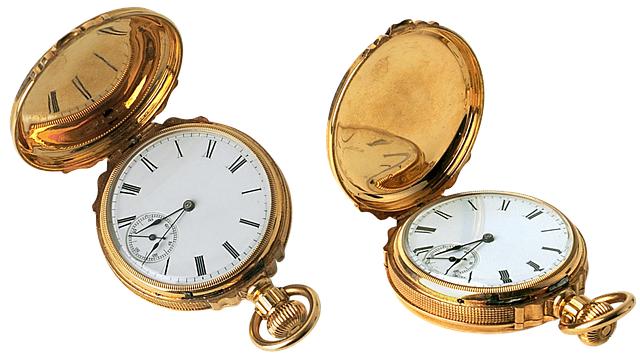
What Is Mechanical Watch? A Detailed Explanation
Have you ever marveled at the intricate beauty of a mechanical watch and wondered how it actually works? In this detailed explanation, we will delve into the fascinating world of mechanical timepieces, unraveling the complex mechanism behind their timeless appeal. Join us as we explore the inner workings of a mechanical watch, demystifying its components and shedding light on the meticulous craftsmanship that goes into creating these masterpieces of horology. Whether you are a seasoned watch enthusiast or simply curious about this age-old art form, this article aims to provide you with a comprehensive understanding of what makes a mechanical watch tick.
Contents
Introduction
A mechanical watch is a timepiece that uses intricate gears and springs to keep time, without relying on any electronic components. These watches are often considered to be a traditional and luxurious alternative to their quartz counterparts. Here is a detailed explanation of how mechanical watches work:
Related: How a Mechanical Pocket Watch Works: Detailed Explanation
1. Mechanical Movements: Mechanical watches are powered by a complex series of gears and springs known as the movement. This movement is the heart of the watch and is responsible for keeping accurate time.
2. Escapement Mechanism: The escapement is a critical component of a mechanical watch that controls the release of energy to the gear train. It ensures that the gears move at a steady pace, allowing the hands of the watch to move smoothly.
3. Power Reserve: Unlike quartz watches that rely on batteries, mechanical watches are powered by winding the mainspring. The power reserve of a mechanical watch can vary depending on the quality of the movement, with some high-end watches offering up to 80 hours of reserve.

History of Mechanical Watches
Mechanical watches have a rich history that dates back centuries, with advancements and innovations continuously shaping the timepiece we know today. These timepieces are powered by a complex system of gears, springs, and other components that work together to accurately measure time. Unlike quartz watches that rely on batteries, mechanical watches are powered by winding the crown to store energy.
The first mechanical watches originated in the 16th century, with early versions being large and worn as necklaces. Over time, watchmakers refined the design, making them smaller and more portable, eventually leading to the creation of wristwatches. These intricate timepieces became symbols of status and craftsmanship, with Swiss watchmakers leading the way in precision and luxury.
Today, mechanical watches remain popular among watch enthusiasts who appreciate the artistry and craftsmanship that goes into creating these timepieces. From intricate movements to beautiful designs, mechanical watches continue to capture the hearts of those who appreciate the history and tradition behind these timeless pieces. Whether you’re a seasoned collector or a newcomer to the world of watches, there’s something truly special about owning a mechanical watch.
Components of a Mechanical Watch
When it comes to mechanical watches, there are several key components that work together to keep time accurately. These components are meticulously crafted and assembled to ensure smooth operation and precision.
Some of the main include:
- Main Spring: This is the power source of the watch, storing energy that is released slowly to power the movement.
- Escapement: This regulates the release of energy from the main spring and controls the movement of the gear train.
- Balance Wheel: This component oscillates back and forth, controlling the timekeeping of the watch.
- Gear Train: This transmits the energy from the main spring to the escapement and the hands of the watch.
| Component | Function |
|---|---|
| Main Spring | Power source of the watch |
| Escapement | Regulates energy release |
| Balance Wheel | Controls timekeeping |
| Gear Train | Transmits energy |
These components work together harmoniously to create the intricate and mesmerizing movement of a mechanical watch. Understanding how each part functions can give a greater appreciation for the craftsmanship and artistry that goes into making these timepieces.
Advantages of Mechanical Watches
There are numerous advantages to owning a mechanical watch that set it apart from its quartz counterparts. One of the main benefits is the craftsmanship and artistry that goes into creating a mechanical watch. Each one is meticulously assembled by skilled watchmakers, often using traditional techniques that have been passed down through generations.
Another advantage is the longevity of mechanical watches. With proper care and maintenance, a mechanical watch can last for decades, even centuries, making it a timeless investment. Additionally, mechanical watches are powered by a complex system of gears and springs, giving them a unique sense of elegance and sophistication.
Furthermore, mechanical watches do not require batteries, eliminating the need for regular replacements and reducing their environmental impact. They also hold their value well over time, making them a wise choice for collectors and enthusiasts alike. In conclusion, the speak to their enduring appeal and timeless beauty.
Types of Mechanical Watches
There are two main : manual and automatic. Manual mechanical watches require regular winding by turning the crown to keep the watch running accurately. On the other hand, automatic mechanical watches are self-winding, meaning they harness the motion of the wearer’s wrist to keep the watch wound.
Here are some key differences between manual and automatic mechanical watches:
- Manual Mechanical Watches:
- Require regular winding
- Usually have a longer power reserve
- Traditional and classic feel
- Automatic Mechanical Watches:
- Self-winding through wrist movement
- Convenient for everyday wear
- May require occasional manual winding
| Type | Pros | Cons |
|---|---|---|
| Manual Mechanical | Longer power reserve | Requires regular winding |
| Automatic Mechanical | Convenient self-winding | May need occasional manual winding |
Both offer a unique blend of craftsmanship, precision, and tradition that appeals to watch enthusiasts and collectors alike. Whether you prefer the hands-on experience of manual winding or the effortless convenience of automatic winding, there is a mechanical watch out there for everyone.

Caring for Your Mechanical Watch
Understanding how to properly care for your mechanical watch is essential in maintaining its longevity and accuracy. Mechanical watches are intricate timepieces that rely on a complex system of gears and springs to keep time. Unlike quartz watches, which are powered by a battery, mechanical watches are powered by the energy stored in a wound spring.
Here are some key tips to help you care for your mechanical watch:
- 1. Regularly wind your watch: Mechanical watches need to be wound regularly to keep them running smoothly. Be sure to wind your watch at the same time each day to ensure consistent accuracy.
- 2. Store your watch properly: When you’re not wearing your watch, be sure to store it in a cool, dry place away from direct sunlight and extreme temperatures. This will help prevent damage to the delicate internal components.
- 3. Avoid strong magnetic fields: Magnetic fields can disrupt the movement of your watch, so it’s important to avoid placing it near strong magnets or electronic devices.
Closing Remarks
In conclusion, mechanical watches are intricate timepieces that operate without the use of batteries or electricity, relying on a series of gears, springs, and escapements to keep time. Their craftsmanship and precision make them highly sought after by watch enthusiasts and collectors.
Key takeaways from this detailed explanation include understanding the inner workings of mechanical watches, the significance of hand-wound versus automatic movements, and the appeal of owning a timepiece that embodies traditional watchmaking techniques.
Whether you are a seasoned watch aficionado or simply curious about the world of horology, knowing what a mechanical watch is and how it functions can deepen your appreciation for these timeless and elegant accessories.
Get our latest guides, news, and insights highlighted in your Google Search & AI Overviews.