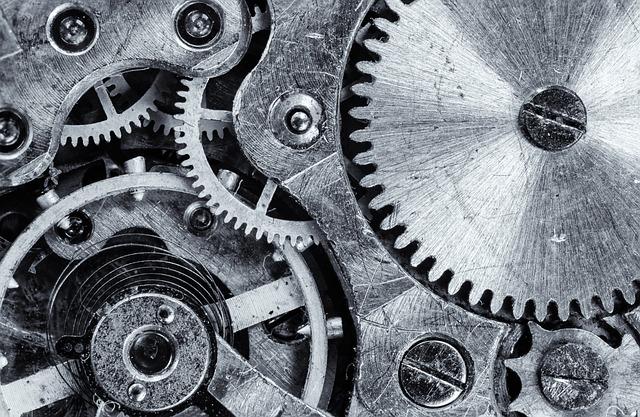
How a Mechanical Pocket Watch Works: Detailed Explanation
Have you ever wondered about the intricate inner workings of a mechanical pocket watch? In this detailed article, we will explore the fascinating world of mechanical timepieces and explain how these intricate devices function. From the mainspring to the escapement, we will break down the components of a mechanical pocket watch and reveal the precise movements that keep time ticking away. Join us on this journey through the inner workings of a classic timepiece and uncover the magic behind its timeless elegance.
Contents
- How a Mechanical Pocket Watch Functions
- Detailed Breakdown of a Mechanical Pocket Watch Mechanism
- Understanding the Components of a Mechanical Pocket Watch
- Key Differences Between Mechanical and Quartz Pocket Watches
- The Role of Gears and Springs in a Mechanical Pocket Watch
- Insights into the Escapement System of a Mechanical Pocket Watch
- Examining the Precision of a Mechanical Pocket Watch Movement
- Maintenance Tips for Keeping Your Mechanical Pocket Watch Running Smoothly
- Choosing a Reliable Mechanic for Mechanical Pocket Watch Repairs
- Future Outlook
How a Mechanical Pocket Watch Functions
Mechanical pocket watches have been a timeless classic for centuries, known for their intricate craftsmanship and reliable timekeeping. Understanding how these fascinating timepieces function can provide insight into the artistry and skill required to create them.
At the heart of a mechanical pocket watch is a complex system of gears, springs, and mechanisms that work together to track the passage of time. The key components of a mechanical pocket watch include:
- 1. Main Spring: The main spring is wound manually to store potential energy, which is released gradually to power the watch.
- 2. Gear Train: The gear train transmits the energy from the main spring to the escapement, regulating the movement of the hands.
- 3. Escapement: The escapement is a crucial component that controls the release of energy from the mainspring in precise increments, allowing the hands to move at a consistent rate.
- 4. Balance Wheel: The balance wheel oscillates back and forth, maintaining the accuracy of the watch by regulating the speed at which the gears turn.
As the main spring unwinds, it imparts energy to the gear train, which then transfers this energy to the escapement and balance wheel. The escapement releases the energy in controlled increments, while the balance wheel ensures that the movement of the hands remains steady and accurate. This intricate dance of components is what allows a mechanical pocket watch to function with precision and reliability.

Detailed Breakdown of a Mechanical Pocket Watch Mechanism
In a mechanical pocket watch, the intricate mechanism is what makes it tick. From the mainspring to the balance wheel, each component plays a crucial role in keeping time accurately. Let’s delve into the detailed breakdown of how a mechanical pocket watch works:
Mainspring:
The mainspring is the powerhouse of the watch, storing energy when wound up. As it unwinds, it releases energy to power the movement of the watch.
Gears and Escapement:
The gears transmit the energy from the mainspring to the escapement, which controls the release of energy in precise increments, allowing the hands to move at a consistent rate.
Balance Wheel:
The balance wheel regulates the movement of the gears, swinging back and forth at a set frequency. This oscillation is what divides time into equal parts, ensuring accurate timekeeping.
Dial and Hands:
The dial of the watch displays the time, while the hands indicate the hours, minutes, and seconds. The gears and escapement work together to move the hands in a continuous and coordinated manner.
Understanding the inner workings of a mechanical pocket watch can give you a newfound appreciation for the craftsmanship and precision that goes into making these timeless timepieces.
Understanding the Components of a Mechanical Pocket Watch
In a mechanical pocket watch, there are several key components that work together to keep time accurately and consistently. Understanding these components is essential to grasp how a mechanical pocket watch functions.
Main Spring: This is the primary source of energy in a mechanical pocket watch. It is wound up by turning the crown, which tightens the spring. As the spring unwinds, it releases energy to power the watch’s movement.
Escapement Mechanism: The escapement regulates the release of energy from the mainspring, ensuring that the watch’s movement is controlled and consistent. It consists of the escape wheel, pallet fork, and balance wheel.
Balance Wheel: The balance wheel oscillates back and forth, dividing time into equal intervals. It is connected to the escapement mechanism and helps regulate the watch’s accuracy.
- Gears and Wheels: Various gears and wheels transmit energy from the mainspring to the hands of the watch, allowing them to move at the correct pace. The gear train is responsible for distributing power throughout the watch’s movement.
By understanding how each of these components functions and interacts with one another, you can develop a deeper appreciation for the intricate mechanics of a mechanical pocket watch.
Key Differences Between Mechanical and Quartz Pocket Watches
In a mechanical pocket watch, time is kept through a complex system of gears, springs, and components that work together to ensure accurate timekeeping. The main difference between mechanical and quartz pocket watches lies in how they are powered and regulated. Mechanical pocket watches are powered by a mainspring, which is wound either manually or through a self-winding mechanism, while quartz pocket watches are powered by a small battery.
One key difference is in the way these watches keep time. In a mechanical pocket watch, the escapement system regulates the release of energy from the mainspring, controlling the movement of the hands. This intricate system of gears ensures precise timekeeping but may require occasional maintenance to keep it in optimal working condition. On the other hand, quartz pocket watches utilize a tiny quartz crystal oscillator to regulate timekeeping, resulting in highly accurate timekeeping with minimal maintenance requirements.
Another significant difference is in the aesthetic and feel of the watches. Mechanical pocket watches are often prized for their intricate craftsmanship and vintage appeal, with visible movements that showcase the intricate inner workings of the watch. Quartz pocket watches, on the other hand, are typically more modern in design and may lack the traditional charm of mechanical watches.
Ultimately, the choice between a mechanical and quartz pocket watch comes down to personal preference. Whether you appreciate the craftsmanship and history of mechanical watches or prefer the accuracy and convenience of quartz watches, both types offer unique advantages and charm that cater to different tastes and preferences.

The Role of Gears and Springs in a Mechanical Pocket Watch
In a mechanical pocket watch, gears and springs play crucial roles in ensuring accurate timekeeping. Gears are responsible for transferring power from the mainspring to the various components of the watch, while springs help regulate the movement of these gears. Together, they work in harmony to create the intricate mechanism that makes a pocket watch tick.
Gears:
- Gears in a pocket watch come in different sizes and shapes to control the speed at which the hands move.
- The center gear, known as the center wheel, is connected to the mainspring and releases energy to drive the other gears.
- Each gear in the system is carefully designed to ensure precise movement and timekeeping accuracy.
Springs:
- The balance spring is a crucial component that oscillates back and forth to regulate the movement of the gears.
- By controlling the speed at which the balance wheel oscillates, the balance spring helps maintain consistent timekeeping.
- Another important spring is the hairspring, which ensures the balance wheel returns to its original position after each oscillation.

Insights into the Escapement System of a Mechanical Pocket Watch
Exploring the inner workings of a mechanical pocket watch can be a fascinating journey into the world of precision engineering. One key component that plays a crucial role in the functioning of a pocket watch is the escapement system. This intricate mechanism controls the release of energy from the mainspring to the gear train, ensuring accurate timekeeping.
The escapement system consists of several parts working in harmony to regulate the flow of energy within the watch mechanism. One of the main components is the pallet fork, which engages with the escape wheel to control the rotation of the gear train. The balance wheel, another essential part of the escapement system, oscillates back and forth at a precise rate, acting as the timekeeping element of the watch.
As the escape wheel rotates, the pallet fork alternately locks and releases the gear train, allowing the energy from the mainspring to be transferred in controlled increments. This controlled release of energy ensures that the watch movement ticks at a consistent rate, resulting in accurate timekeeping. The escapement system is truly the heart of a mechanical pocket watch, regulating the flow of energy with precision and reliability.

Examining the Precision of a Mechanical Pocket Watch Movement
When , it’s important to understand the intricate workings that make these timepieces so reliable and accurate. The movement of a mechanical pocket watch is a complex system of gears, springs, and levers that work together to regulate the timekeeping function.
One key component of a mechanical pocket watch movement is the balance wheel, which oscillates back and forth at a consistent rate. This oscillation is controlled by the hairspring, a fine spring that is tensioned to regulate the movement of the balance wheel. The escapement mechanism, which consists of the escape wheel and pallet fork, controls the release of energy from the mainspring to the gear train, ensuring precise timekeeping.
What sets a mechanical pocket watch apart from a quartz watch is its reliance on mechanical components rather than electronic circuits. This gives mechanical pocket watches a timeless appeal and a sense of craftsmanship that is unmatched by their digital counterparts. With proper maintenance and care, a mechanical pocket watch can last for generations, making it a valuable heirloom piece.

Maintenance Tips for Keeping Your Mechanical Pocket Watch Running Smoothly
Understanding how a mechanical pocket watch works is essential to properly maintaining and caring for this timeless timepiece. The inner workings of a mechanical pocket watch are intricate and fascinating, relying on a series of gears, springs, and components to keep accurate time.
One of the key components of a mechanical pocket watch is the mainspring, which stores energy when wound up. As the mainspring slowly unwinds, it releases energy to power the gears that move the hands of the watch. This delicate balance of energy and movement is what keeps the pocket watch running smoothly and accurately.
Regular maintenance is crucial for keeping your mechanical pocket watch in top condition. Here are some tips to help you ensure your pocket watch stays in perfect working order:
- Regularly Wind Your Watch: Make it a habit to wind your pocket watch at the same time each day to keep it running smoothly.
- Avoid Water Exposure: Keep your pocket watch away from water and moisture to prevent damage to the delicate internal components.
| Tip | Explanation |
|---|---|
| Keep Your Watch Clean | Regularly wipe down your pocket watch with a soft, dry cloth to remove any dirt or dust that may accumulate. |
| Store Your Watch Properly | When not in use, store your pocket watch in a protective case or pouch to prevent scratches and damage. |

Choosing a Reliable Mechanic for Mechanical Pocket Watch Repairs
When it comes to understanding how a mechanical pocket watch works, it’s important to have a detailed explanation of its inner workings. A mechanical pocket watch operates through a series of intricate mechanisms that work together to keep time accurately. Here is a breakdown of the key components and functions of a mechanical pocket watch:
- Mainspring: The mainspring is a coiled strip of metal that stores energy when wound up. As the mainspring unwinds, it releases energy to power the watch.
- Escapement: The escapement is a crucial component that controls the release of energy from the mainspring in precise intervals, allowing the watch to tick at a consistent rate.
- Gear Train: The gear train consists of a series of gears that transmit energy from the mainspring to the hands of the watch, regulating the movement of the hour, minute, and second hands.
- Balance Wheel: The balance wheel is a wheel that oscillates back and forth, controlled by the escapement, to regulate the timing of the watch.
When seeking repairs for a mechanical pocket watch, it is essential to choose a reliable and experienced watchmaker who understands the intricacies of these components and can restore your timepiece to proper working condition. By selecting a skilled mechanic who specializes in mechanical pocket watch repairs, you can ensure that your cherished timepiece is in good hands.
Future Outlook
In conclusion, understanding how a mechanical pocket watch works involves a complex system of gears, springs, and levers that work together to keep accurate time. By winding the watch regularly and ensuring it is properly maintained, you can enjoy the timeless elegance and craftsmanship of this traditional timepiece. Remember, the key takeaways are that a mechanical pocket watch functions through mechanical movement, winding the mainspring, regulating the balance wheel, and displaying the time through hands on the dial. With this knowledge, you can appreciate the intricate mechanics behind the ticking of a classic pocket watch.
Get our latest guides, news, and insights highlighted in your Google Search & AI Overviews.