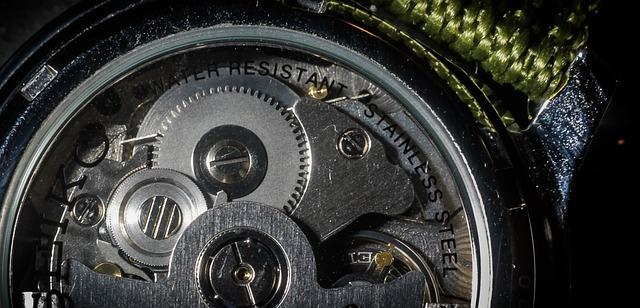
What Is the Power Reserve on a Rolex Datejust: Runtime Specs
When it comes to owning a Rolex Datejust, understanding its power reserve-the amount of time the watch runs once fully wound-is key to appreciating its engineering and everyday practicality. Powered by Rolex’s in-house automatic movements, most Datejust models offer around 70 hours of runtime, allowing wearers to take the watch off over a weekend without winding it again.This balance of precision and convenience speaks volumes about Rolex’s commitment to reliable, user-friendly luxury timepieces.Whether you’re a seasoned collector or new to mechanical watches, knowing how the Datejust’s power reserve affects wearability and maintainance can help you get the most from this iconic classic. Dive in to explore how this spec influences not only your daily experience but also the watch’s value and longevity.
Contents
- Rolex Datejust Power Reserve Explained: what You Need to Know
- Inside the Datejust Movement: Caliber and Runtime Specs
- How Automatic Movements Impact Datejust Power Reserve
- Factors That affect the Datejust’s Runtime performance
- Comparing Datejust Power Reserve with Other Rolex Models
- Understanding Power Reserve Indicators and Winding Mechanisms
- tips to Maximize Your Datejust’s Power Reserve Efficiency
- Rolex datejust Power Reserve: Real-World Wearability Insights
- The Role of Movement Maintenance in Sustaining Power Reserve
- How Power Reserve Influences Rolex Datejust Value and Collectibility
- Q&A
- Q: How long does the Rolex Datejust typically run when fully wound?
- Q: What factors can decrease the power reserve runtime on a Rolex Datejust?
- Q: Does the Rolex Datejust have a power reserve indicator on the dial?
- Q: How does wearing frequency affect the Rolex Datejust’s runtime between windings?
- Q: Can manual winding improve the power reserve of a rolex Datejust?
- Q: How does the Datejust’s power reserve compare to other popular Rolex models?
- Q: What role does the caliber 3235 movement play in extending the Datejust’s power reserve?
- Q: Why is maintaining the Rolex Datejust’s movement crucial for preserving power reserve?
- In Conclusion
Rolex Datejust Power Reserve Explained: what You Need to Know

Rolex’s datejust is renowned for its blend of timeless elegance and reliable engineering, and a key part of that reliability lies in its power reserve-the amount of time the watch continues to tick when not worn or wound. For many enthusiasts, understanding exactly how long the Datejust runs off its stored energy can be a game-changer in daily wearability and care routines. Unlike simpler quartz watches, the mechanical heart of a Datejust relies on a finely tuned automatic movement, storing energy in its mainspring to keep everything running smoothly.
Most modern Rolex Datejust models are powered by Rolex’s in-house calibers such as the Caliber 3235. This movement delivers an extraordinary power reserve of approximately 70 hours-meaning if you take off your watch on Friday evening, it will still be running come Monday morning without needing a reset or rewind. This is a important step up from earlier calibers like the 3135, which typically offered around 48 hours. The longer power reserve offers owners greater flexibility, especially those who rotate between watches or prefer not to wind their watch every day.
- How the Power Reserve Works: The power reserve reflects the energy stored in the mainspring, a coiled spring inside the movement. As you wear the Datejust, the rotor spins, winding the mainspring automatically. Once fully wound, the watch can run continuously without further winding for the duration of the power reserve.
- Practical Implications: A 70-hour reserve means you can comfortably leave the watch off your wrist over a weekend, or even longer, without it stopping. For collectors who own multiple watches, this extended runtime helps maintain accurate timekeeping without the hassle of daily winding.
- Movement Improvements: Rolex’s advances in movement technology-such as a more efficient escapement, longer-lasting lubricants, and a more robust mainspring-are all factors that contribute to this enhanced power reserve, showcasing their commitment to precision and reliability.
The Datejust’s power reserve is a great balance between technical performance and user convenience, reinforcing why it remains a favorite across all markets-from newcomers appreciating durability to seasoned collectors valuing mechanical finesse. Understanding this feature helps both in enjoying the watch day-to-day and in making informed buying decisions that meet your lifestyle needs.
Inside the Datejust Movement: Caliber and Runtime Specs
A standout feature of modern Rolex datejust watches is their impressive in-house movements that combine robust engineering with advanced materials-delivering both precision and an extended power reserve. The Caliber 3235, currently powering many Datejust models, represents a significant leap from its predecessor, the Caliber 3135. while the 3135 could sustain roughly 48 hours of runtime when fully wound, the 3235 extends that to an impressive ~70 hours, giving wearers a nearly three-day window before needing to rewind or rely on daily wear. This jump isn’t just a marketing stat; it reflects meaningful advances in movement design and user convenience.
At the core of the Caliber 3235 is Rolex’s proprietary Chronergy escapement, which improves energy efficiency by about 15% over traditional lever escapements. This enhancement means the movement wastes less energy during each tick, translating directly into longer operation times.Additionally, the mainspring, which stores the kinetic energy that drives the watch, is crafted from Parachrom Bleu alloy. This material is both more resistant to magnetic fields and offers greater elasticity, helping maintain consistent power delivery even in varying environments and after shocks.
- Key Features of the Caliber 3235: This self-winding mechanical movement boasts 31 jewels, a frequency of 28,800 vibrations per hour (vph), and a date complication. Its architecture includes a larger mainspring barrel, optimized gear train, and enhanced lubrication that partners to extend durability and runtime.
- Runtime Specs in Practice: With a fully wound mainspring, the watch runs autonomously for nearly three full days. In the real world, this means you can comfortably switch watches over weekends without stopping the Datejust or constantly resetting the time.
Looking beyond the numbers, this power reserve also reflects a design philosophy that respects how wearers actually use their watches. Many enthusiasts own collections with multiple pieces, rotating their daily wear. The increased runtime reduces hassle, allowing the Datejust to keep ticking even after a pause. This thoughtful engineering bridges the gap between traditional horology and modern lifestyles, were convenience often meets craftsmanship.
| Movement | Power Reserve | Frequency (vph) | Jewels | Complications |
|---|---|---|---|---|
| Caliber 3235 | ~70 hours | 28,800 | 31 | Date |
| Caliber 3135 | ~48 hours | 28,800 | 31 | Date |
For collectors and newcomers alike, understanding these specs demystifies why the newer Datejust models feel like a tangible upgrade. Instead of hourly winding or daily wear requirements, the enhanced caliber gives you freedom and peace of mind. From a horological standpoint, Rolex’s blend of traditional craftsmanship and innovative materials shines in this balanced, reliable mechanism-illustrating their ongoing commitment to producing watches that are both exquisite and eminently practical.
How Automatic Movements Impact Datejust Power Reserve
Automatic movements are at the heart of what gives the Rolex Datejust its legendary convenience and impressive power reserve-a feature that many wearers might take for granted but truly transforms the daily experience of owning one. Unlike manual wind watches, which rely entirely on hand winding to build up energy, Rolex’s self-winding calibers harness the natural motion of your wrist. This rotor-driven mechanism continuously transfers kinetic energy to the mainspring, ensuring that the watch stays powered as long as it’s worn regularly.
Rolex’s in-house calibers, such as the widely celebrated 3235, refine this classic automatic concept with technical sophistication. By optimizing the escapement, gear train, and mainspring barrel, the movement stores up to about 70 hours of power reserve-significantly more than earlier models like the 3135 with its approximate 48 hours. This leap means that if you take your Datejust off for a day or two, it won’t stop running, preserving accuracy and convenience without the hassle of resetting. It’s a perfect blend of traditional mechanical artistry and modern engineering aimed at today’s dynamic lifestyles.
- Energy Efficiency: The Chronergy escapement inside the 3235 improves energy transfer efficiency by roughly 15%, lowering energy loss and stretching the power reserve.
- Mainspring Innovation: Crafted from Parachrom Bleu alloy, the mainspring resists magnetic interference and shock, delivering a more consistent power output over time.
- Automatic Winding System: Rolex’s bidirectional winding rotor spins freely in both directions, ensuring quicker energy buildup compared to unidirectional rotors.
This clever engineering enhances not only the runtime but also reduces wear on movement components, contributing to long-term reliability-a key reason collectors deeply appreciate Rolex calibers. More power reserve from the movement’s design means fewer resets, less daily winding, and a smoother ownership experience. For new enthusiasts and seasoned collectors alike, understanding how the automatic movement achieves this balance enriches the appreciation of Rolex’s horological mastery beyond the simple luxury label.
| Feature | Rolex Caliber 3135 | rolex Caliber 3235 |
|---|---|---|
| Power Reserve | ~48 hours | ~70 hours |
| Escapement Type | traditional Lever Escapement | chronergy Escapement (15% more efficient) |
| Winding system | Bidirectional Automatic Rotor | Bidirectional Automatic Rotor (Optimized Architecture) |
| Mainspring material | Standard Alloy | Parachrom bleu Alloy (Anti-magnetic & elastic) |
Ultimately, power reserve isn’t just about numbers; it’s about how seamlessly your watch fits into your rhythm. The efficiency and innovation within the automatic movement enable the Datejust to excel as a daily wear piece-one that balances complexity and toughness with user-friendly reliability. Whether you’re rotating multiple watches or simply appreciate the engineering behind continuous autonomy, Rolex’s automatic movements elevate the humble daily wear watch into a mechanical marvel, making power reserve a critical characteristic that defines the Datejust’s appeal.
Factors That affect the Datejust’s Runtime performance
Every Rolex Datejust wearer will notice that its power reserve-while impressive on paper-is influenced by several real-world variables that shift how long the watch truly runs off the wrist. Think of power reserve as an energy bank fueled by the watch’s mainspring, but just like any machine, external and internal factors change how efficiently that energy is stored and consumed. Understanding these influences can help you get the most out of your Datejust’s impressive ~70-hour runtime, especially if you rotate multiple watches or use it intermittently.
Daily Wear Patterns and Motion
The automatic caliber inside the Datejust relies heavily on kinetic energy from your wrist’s movement to keep its mainspring wound. But not all wearers are equal in activity level. If your daily routine involves a lot of desk work with minimal arm movement, your rotor won’t spin as frequently enough or as vigorously. This reduced winding frequency means the watch won’t reach full winding capacity, trimming the effective runtime below the theoretical maximum. Conversely, someone with an active lifestyle will naturally keep the watch more fully powered.
Environmental and Usage Factors
Temperature also subtly affects the lubricant inside the movement.Extremely cold weather can thicken oils, increasing friction and slightly reducing efficiency, while high heat may thin lubricants, impacting stability over time. Although Rolex uses advanced synthetic lubricants designed for longevity, drastic environmental extremes-think skiing in freezing temps versus beach days-make a small but notable difference.Pressure changes, such as diving or flying, won’t drastically affect power reserve but can influence overall movement health long-term.
Complications and Movement Condition
While the Datejust’s power reserve primarily depends on its base movement (caliber 3235 in recent models), more complications on other Rolex watches-like chronographs-draw additional energy, shortening runtime. The Datejust’s clean date complication is energy-efficient, so your runtime sticks close to the spec, unless there are mechanical issues. Over time, wear and tear or lack of maintenance increases friction, reduces energy transfer efficiency, and shortens effective runtime. This is why regular servicing is vital-it ensures the mainspring, escapement, and rotor system stay finely tuned.
- Rotor efficiency: Dirt or degradation in rotor bearings can reduce winding speed.
- Mainspring fatigue: Springs lose elasticity, decreasing stored energy capacity.
- Lubrication condition: Dry or contaminated oils increase mechanical resistance.
Real-World Runtime Variability
Collectors often discover that the rated ~70 hours can range by a few hours depending on these factors.For example, putting a Datejust in a watch winder or manually winding it before rest can maximize runtime. Storing it idle for more than 3 days without winding will almost certainly cause it to stop, requiring a reset. Being mindful of these factors transforms your relationship with the watch, encouraging attentiveness to movement care while appreciating Rolex’s engineering that handles everyday fluctuations gracefully.
Getting to know these influences helps you avoid the frustration of unexpected stops and deepens your respect for the meticulous craftsmanship inside your Datejust. It truly bridges the gap between mechanical art and practical daily reliability in a way few watches can match.
Comparing Datejust Power Reserve with Other Rolex Models

The Rolex Datejust’s power reserve stands out as a practical benchmark for everyday wear, yet when placed alongside other Rolex icons, it reveals both shared virtues and distinct characteristics. The Datejust’s modern caliber 3235 offers roughly 70 hours of runtime-meaning you can comfortably take it off on a Friday evening and expect it to be ticking by Monday morning without rewinding. This is a significant advancement compared to many older models and highlights Rolex’s ongoing dedication to efficient energy management through advances in mainspring technology and escapement design.
When you compare this to the Submariner, a sibling in Rolex’s Oyster family, the difference is subtle but worth noting.While current Submariners equipped with the same caliber 3235 also provide around 70 hours of power reserve,vintage Submariners with older calibers like the 3135 typically offered between 48 to 50 hours. The extended reserve in both contemporary models brings convenience, especially for collectors who rotate watches and don’t want to reset or rewind their pieces daily. By contrast,the Explorer and Date,often powered by calibers with slightly shorter reserves (around 48-55 hours),remind you how Rolex balances innovation with model-specific ancient traits.
For more complex Rolex models, such as the Daytona chronograph, power reserve dips slightly due to the extra complications that require more energy to operate. The Daytona’s calibre 4130 typically promises about 72 hours, aligning closely with the Datejust but often running a bit leaner due to its chronograph functions adding load to the movement. This comparison underscores how complications-additional functions beyond basic timekeeping-directly impact how long a watch can run independently, even within the same brand family.
| Rolex Model | Movement (Caliber) | Power Reserve | Notable Details |
|---|---|---|---|
| Datejust (modern) | Cal. 3235 | ~70 hours | Efficient date-only mechanism, ideal daily wear |
| Submariner (modern) | Cal. 3235 | ~70 hours | Diving watch with similar power efficiency, plus robust build |
| Daytona | Cal. 4130 | ~72 hours | Chronograph function slightly increases energy demand |
| Explorer | Cal. 3230 / older calibers | ~55 hours (modern), ~48 hours (vintage) | simplicity favors less power reserve than date-equipped models |
balancing Power and Practicality
While a longer power reserve is frequently enough seen as better, it’s crucial to remember what you gain versus trade off. rolex’s focus in the datejust has always been on reliability and everyday wearability rather than pushing power reserve lengths to extremes. Watches like the Datejust maintain an elegant balance-providing enough backup time to suit most owners’ routines without complicating the movement unnecessarily or sacrificing durability.
What This Means for Collectors and Wearers
For those who own several Rolexes, understanding these differences can guide your wear patterns. If you rotate your collection every few days, models with longer reserves like the Datejust or modern Submariner offer greater hassle-free use, reducing the risk of the watch stopping unexpectedly. On the other hand, if you lean toward vintage or simpler models for style or investment, a shorter reserve is just part of owning classic mechanics-you just get to enjoy the ritual of winding a bit more often.
In essence, the Datejust sits at a sweet spot in Rolex’s lineup. Its power reserve is competitive with sportier and more complex Rolexes but tailored for effortless, versatile wear. whether you’re comparing across decades or exploring different model families, this blend of modern craftsmanship and practical duration embodies why the Datejust remains a pillar of Rolex’s enduring appeal.
Understanding Power Reserve Indicators and Winding Mechanisms

It’s captivating how a watch like the Rolex Datejust blends timeless design with sophisticated mechanical technology, especially when it comes to how you keep it powered and informed about its energy status. Unlike some higher-complication Rolex models that might feature a dedicated power reserve indicator-a subdial or hand showing how much energy is left-the datejust instead relies on the user’s connection with the watch’s automatic winding system and subtle cues about runtime. Most Datejust models,including the ones with the caliber 3235,do *not* have a dedicated power reserve indicator. This simplicity underscores a philosophy of effortless wearability and trust in the automatic movement doing its job quietly.
Rolex’s automatic (self-winding) mechanism is a marvel of engineering and user practicality. It uses a bidirectional rotor that spins with the movement of your wrist, continuously winding the mainspring-the “energy store” that powers the watch. This means that as long as you wear your Datejust regularly, you rarely need to worry about manual winding. Though, if you take the watch off for a couple of days-remember, with a 70-hour reserve, you have a solid cushion-you might see the second hand slow or stop. that’s your signal it’s time to wind it again or put it back on. If you do wind manually, a gentle turn of the crown approximately 20-30 times is enough to fully wind the movement without overwinding risk, thanks to Rolex’s built-in slipping mainspring design.
For watch enthusiasts or collectors who like to rotate their timepieces, understanding this interplay between power reserve and winding mechanisms can save frustration. Automatic watches like the Datejust don’t require a power reserve indicator because their robustness and design mean straightforward wear habits solve most longevity questions. For those who want more visible feedback or own older models (which may have shorter reserves), third-party power reserve indicators or watch winders become practical tools.
- Automatic winding: The rotor spins as you move your wrist, replenishing the mainspring energy.
- Manual winding option: when off the wrist, use the crown for about 20-30 turns to fully wind the watch.
- Power reserve cues: The watch stops or slows, indicating low reserve; no dedicated dial needed.
- Rolex’s mainspring design: Features a slipping bridle that prevents overwinding, enhancing movement longevity.
How Does This Compare With Other Rolex and Watches?
While the Datejust chooses clean aesthetics over added indicators, some other rolex models embrace power reserve displays. as a notable example, the Rolex Sky-Dweller or Yacht-master II sports models incorporate additional complications and sometimes power reserve indicators to assist with complex functions. This directly corresponds to their more demanding calibers and wearer needs. On the other side of the spectrum, brands like Seiko or Oris often use visible power reserve indicators to bring mechanical information front and center for enthusiasts who enjoy mechanical transparency.
Interestingly, Rolex’s choice to omit a power reserve indicator in the Datejust speaks to its design ethos: deliver the most reliable in-house caliber with a robust automatic rotor system and practical runtime, so the wearer never truly needs to “watch” the watch’s battery level-all in line with Rolex’s reputation for durable precision.
Practical Tips for Seamless Power Management
If you own or plan to acquire a Datejust, trust your wrist’s natural movement to keep your watch ticking smoothly. for desk workers or those who don’t wear the watch continuously,a quality watch winder can be a convenient accessory-preserving power reserve and reducing the need for resetting the date and time,which can wear on the crown over time.And when winding manually, always set the crown gently-a light and consistent pressure protects the delicate internal components.
In essence, the power reserve “indicator” for your Datejust is your own connection to the watch: notice when it pauses, wind when needed, and enjoy the engineering that quietly keeps time in stride with your daily life. This elegant approach exemplifies why the Datejust remains one of Rolex’s most user-friendly and technically refined creations.
tips to Maximize Your Datejust’s Power Reserve Efficiency

Rolex’s Datejust is designed to be as effortless as it is elegant,and that includes how you manage its power reserve. One of the best-kept secrets among watch enthusiasts is that maximizing your Datejust’s runtime often comes down to simple,consistent habits rather than complex interventions. Ensuring your watch stays powered and precise is more about understanding how the automatic movement works with your daily rhythm than obsessing over technical tweaks.
As the Datejust’s Caliber 3235 offers an impressive 70-hour power reserve, it gives you plenty of flexibility.Still,to keep it running optimally,wearing your watch regularly is key. The rotor winds the mainspring as your wrist moves, so daily wear-ideally around 8-10 hours-is enough to maintain a steady energy store. If your lifestyle involves long periods of inactivity at the wrist, such as desk work, consider these straightforward practices:
- Manual winding: If you haven’t worn the watch for over a day or two, give the crown a gentle 20-30 turn wind to bring the power reserve up to full.Thanks to rolex’s slipping mainspring mechanism, there’s zero risk of overwinding, so you can wind confidently and smoothly.
- Use a watch winder: A quality winder can simulate wrist motion overnight or during off-days, keeping the Datejust’s mechanisms engaged and the power reserve topped off. This reduces the need to reset the date and time, which protects the crown’s precision components from wear.
- Keep it in motion: If you prefer a manual approach, simple wrist exercises or gently shaking the watch can kickstart rotor movement before wearing it again, though natural arm movement yields the best winding efficiency.
balancing Convenience and Care
While Rolex’s engineering is rock solid,treating your Datejust-and its caliber-with respect pays dividends. Avoid extreme wrist movements or harsh shocks when winding or wearing the watch, as delicate gears inside benefit from smooth, consistent energy input. Also, avoid letting the watch fully run down repeatedly, as consistent low-power conditions can lead to minor timing fluctuations; topping up the reserve regularly keeps precision stable over time.
Environmental and Daily Routine Factors Matter
Temperature, activity level, and wearing patterns can subtly impact your Datejust’s power reserve performance. Such as, colder climates may slightly stiffen lubricants inside the movement, so warming the watch gently before wearing can improve immediate winding efficiency. Similarly, vigorous workouts may increase wrist motion but sometimes cause uneven rotor winding if the movement is too abrupt. moderating wear conditions to balance rotor engagement helps maintain smooth operation.
Ultimately, the beauty of Rolex’s automatic movement is its harmony with your daily life rhythm. By incorporating these small rituals-consistent wearing, timely manual winding, and thoughtful storage-you keep the Datejust’s power reserve in prime condition, ensuring it remains a trusted companion for generations to come. This practical approach honors the craftsmanship inside without overcomplicating wear, letting you enjoy the seamless blend of heritage and technology that defines the Datejust.
| Tip | Why It Matters | How to Do It |
|---|---|---|
| Wear daily | wrist movement powers the rotor-your watch’s energy source | Aim for 8+ hours per day for consistent winding |
| Manual Winding | Quickly replenishes power when off-wrist for 2+ days | Turn crown 20-30 times gently; no overwind risk |
| Use a Watch Winder | Keeps watch operating and saves date/time reset effort | Choose a quality, rotor-direction adjustable winder |
| Gentle Wear Care | Protects fine movement parts and timing accuracy | Avoid shocks and excessive winding force |
Rolex datejust Power Reserve: Real-World Wearability Insights
One of the most appealing aspects of the Rolex Datejust’s power reserve is how effortlessly it fits into everyday life.Thanks to the in-house Caliber 3235,you’re looking at a reliable 70-hour runtime-a generous buffer that means your watch can stay off your wrist for nearly three full days and still keep ticking without losing time or requiring a reset. This is a genuine advantage for those who rotate watches or have varied activity patterns, offering both convenience and confidence in daily wear.In practical terms, wearing the Datejust about 8 to 10 hours a day naturally keeps the power reserve topped up.The automatic movement inside uses a rotor that winds the mainspring with your wrist’s motion. It’s an elegant dance between wearer and mechanism: consistent daily activity means fewer manual interventions. But life isn’t always that simple. if you spend long stretches at a desk, or if your typical wrist movement isn’t vigorous, you might notice the power reserve dropping faster-yet even then, the watch’s design is forgiving.
- Manual winding: After 48 hours without wear, a gentle crown wind of 20-30 turns is all it takes to bring the reserve back to full. This process is risk-free thanks to rolex’s patented slipping mainspring system, which stops winding automatically once fully tensioned.
- Using a watch winder: for enthusiasts who own multiple timepieces, a quality watch winder is a practical ally. It keeps your Datejust energized, so you avoid the hassle of resetting the date and time, which can reduce wear on the crown and prolong overall longevity.
Everyday factors subtly influence performance,too. Temperature plays a role-cold environments thicken lubricants, temporarily slowing movement and winding efficiency. Similarly, workouts with rapid wrist movement can sometimes cause uneven rotor activity rather than smooth, steady winding. Moderating your activities, or simply giving the watch a gentle shake before putting it on after a rest period, can improve power reserve consistency.
Balancing Luxury and Practicality
A Datejust isn’t just a luxury accessory; it’s a finely tuned tool designed for reliability. Protecting it from extreme shocks or overwinding ensures your power reserve stays stable over years of wear. Even for watches in the $150 to $50,000 range, these principles hold true-and the Datejust is a shining example of how thoughtful engineering meets real-world utility without fuss or fragile complexity. Its balance of robust mechanics with subtle sophistication means you enjoy ease of use without sacrificing precision.
| Action | Effect on Power Reserve | Practical Step |
|---|---|---|
| Wear Daily | Keeps rotor winding continuously, maintaining full reserve | About 8 hours on the wrist per day |
| Manual Winding | Rapid power boost after non-wear periods of 2+ days | Gently rotate crown 20-30 turns |
| Use Watch Winder | Prevents power loss during off days, saves time resetting | Quality winder with adjustable rotation direction |
| Gentle Handling | Protects movement components, maintaining long-term accuracy | Avoid shocks; handle crown smoothly |
Ultimately, the Datejust’s power reserve is a demonstration of Rolex’s ability to blend technical innovation with wearability. Its autonomy means fewer interruptions to your routine, while thoughtful features like automatic winding and the robust Caliber 3235 ensure consistent performance regardless of lifestyle. Whether you’re a seasoned collector or a newcomer appreciating mechanical artistry, understanding how your watch’s power reserve responds to real-world conditions makes the experience richer-and keeps your Datejust reliably ready to go whenever you are.
The Role of Movement Maintenance in Sustaining Power Reserve
Mechanical watches like the Rolex Datejust are marvels of precision engineering, but even the most meticulously crafted movements require regular upkeep to maintain optimal performance-especially when it comes to sustaining power reserve. Over time, microscopic components inside the Caliber 3235-such as gears, jewels, and lubricants-undergo wear and degradation that can subtly erode winding efficiency or cause the mainspring to lose tension. The power reserve might still exist in theory, but without proper maintenance, the watch could fail to deliver the full 70-hour runtime you expect.
Routine servicing is less about rescuing a broken watch and more about proactive care-think of it like a tune-up for a fine sports car.During a service, skilled watchmakers dismantle the movement, clean every tiny part with specialized solutions, and carefully reapply lubricants at critical points to minimize friction. This process ensures the automatic rotor spins freely and winds the mainspring effectively, preserving the watch’s stored energy capacity. Crucially, servicing also includes regulation-a subtle adjustment to daily rate-that helps maintain the kind of consistent timekeeping Rolex enthusiasts count on.
Recognizing When Maintenance Impacts Power Reserve
If you notice your Datejust’s power reserve shrinking-or if it stops holding a full charge after a standard wearing period-it might very well be a sign that internal oils have dried up or mechanical wear is impairing gear train efficiency. Sometimes, the rotor’s winding action feels less smooth or sporadic, especially if the watch wasn’t worn daily or stored without a winder for long periods. Similarly, if your watch needs more frequent manual winding to maintain power, that’s a red flag to bring it in for inspection.
Even if your Datejust’s timekeeping seems “fine,” scheduling a service every 5 to 7 years is a smart investment to avoid accelerated deterioration. Rolex’s robust in-house movements are built to last, but they benefit enormously from staying lubricated and cleaned to prevent grit and old oil from hindering the delicate balance of power transmission.
- Extended intervals without servicing can lead to increased wear on the mainspring and winding mechanism, reducing overall power reserve.
- Using your Datejust regularly and keeping it wound helps distribute lubricants evenly inside the movement, delaying the need for maintenance.
- Excessive shocks or impacts can dislodge or damage components critical to winding efficiency and power retention.
Maintenance and Value-A Symbiotic Relationship
Well-maintained Datejusts not only perform better but also tend to retain value more effectively in the resale market. Collectors and buyers notice when a watch shows signs of neglect-like unreliable power reserve or erratic accuracy-and that erodes confidence.Documented service history adds trust and often bolsters a watch’s desirability, as it signals your timepiece is running at peak condition.
Remember, movement maintenance isn’t an expensive luxury, but rather essential stewardship of a complex mechanical instrument. Whether your Datejust is a vintage family heirloom or a modern steel model, regular care is the surest way to keep the power reserve robust and your daily wearing experience satisfying. After all, a watch is happiest when it’s ticking smoothly, ready to accompany you every day without interruption.
How Power Reserve Influences Rolex Datejust Value and Collectibility
Rolex Datejust models equipped with in-house automatic movements-like the modern Caliber 3235-offer a considerable power reserve of approximately 70 hours. This technical achievement isn’t just a convenience; it plays a subtle but meaningful role in the watch’s desirability and long-term value. Collectors and enthusiasts frequently enough view a robust power reserve as a sign of movement sophistication and durability, which enhances both everyday usability and the watch’s appeal when it comes time to resell or trade.
A healthy power reserve means your watch can remain off the wrist for several days without stopping, reducing the hassle of daily winding or resetting. From a collector’s standpoint,this consistent runtime reflects well on the movement’s condition and maintenance history. Watches that maintain their factory-rated power reserve tend to command higher prices because they do not just keep good time, but also retain functional convenience-a clear marker of mechanical integrity. Conversely, a Datejust showing diminished power reserve might suggest worn mainsprings or inadequate servicing, factors that can lower buyer confidence and resale value.
The Intersection of Power Reserve and Collectibility
It’s important to remember that a Rolex’s value isn’t driven solely by aesthetics or brand prestige; the movement’s health-including power reserve-is a big part of the story. A pristine Datejust with a freshly serviced Caliber 3235 exhibiting full power reserve signals to collectors that the watch receives proper care. This reassurance can attract serious buyers, especially in a market where mechanical reliability underpins emotional and financial investment alike. In contrast, unsound mechanical performance can lead to bargaining or lost sales, even for models with rare dial variants or precious metal cases.
For vintage Datejusts, power reserve can be even more telling. Older calibers may have shorter nominal reserves, but well-maintained examples that still wind efficiently and hold a proper runtime stand apart. In the vintage watch world, documented servicing history that confirms power reserve performance is often as important as original box-and-papers provenance. It’s a tangible indicator that the watch delivers on its promise as a precision instrument, not just a collectible artifact.
- Regular servicing maintains mainspring strength and gear train efficiency, directly supporting maximum power reserve and stable timekeeping.
- Collectors value watches with documented maintenance records, especially when power reserve benchmarks meet or exceed factory specifications.
- Power reserve performance impacts user experience, which influences subjective value beyond pure investment-people want watches that work smoothly every day.
In short, power reserve isn’t just a tech spec reserved for enthusiast forums-it’s a vital piece of a watch’s story that affects its market perception and practical worth. Whether you’re a seasoned collector or someone just discovering the allure of mechanical watches, understanding and respecting power reserve helps you appreciate why proper care preserves a Rolex Datejust’s magic and value over time.
Q&A
Q: How long does the Rolex Datejust typically run when fully wound?
A: The Rolex Datejust typically offers a power reserve of approximately 70 hours when fully wound, thanks to its advanced in-house caliber 3235 movement.This means you can leave the watch unworn for nearly three days without it stopping. For more details, see the “Inside the Datejust Movement” section.
Q: What factors can decrease the power reserve runtime on a Rolex Datejust?
A: Factors like wear patterns, lubrication condition, and temperature can reduce the Datejust’s power reserve. Infrequent maintenance or overwinding may also impact runtime negatively. Regular servicing helps sustain optimal performance, as discussed in our “Role of Movement Maintenance” section.
Q: Does the Rolex Datejust have a power reserve indicator on the dial?
A: No, the Rolex Datejust does not feature a dedicated power reserve indicator on its dial. Instead, wearers rely on the watch’s automatic winding system to maintain power. for tips on monitoring power reserve, refer to the “Understanding Power Reserve Indicators and Winding Mechanisms” part of the main article.
Q: How does wearing frequency affect the Rolex Datejust’s runtime between windings?
A: Wearing the Datejust daily allows its automatic rotor to wind the movement continuously, keeping the power reserve close to maximum. If unused for several days,manual winding is recommended to restart the watch. Explore practical advice in the “Real-World Wearability insights” section.
Q: Can manual winding improve the power reserve of a rolex Datejust?
A: Yes,manually winding your Rolex Datejust before wearing ensures the mainspring is fully tensioned,maximizing the power reserve runtime.This is especially useful after periods of non-use.Guidance on winding strategies is covered in “Tips to maximize your Datejust’s Power Reserve Efficiency.”
Q: How does the Datejust’s power reserve compare to other popular Rolex models?
A: The datejust’s 70-hour power reserve is on par with newer Rolex models like the Submariner and GMT-Master II, but significantly longer than older calibers with 40-50 hours runtime. See “Comparing Datejust Power Reserve with Other Rolex Models” for a thorough comparison.
Q: What role does the caliber 3235 movement play in extending the Datejust’s power reserve?
A: The caliber 3235 features a new barrel design and optimized gear train that enhance energy efficiency, enabling the Datejust’s impressive 70-hour power reserve. This in-house automatic movement balances precision and durability, detailed under ”Inside the Datejust movement: Caliber and runtime Specs.”
Q: Why is maintaining the Rolex Datejust’s movement crucial for preserving power reserve?
A: Regular servicing keeps lubrication fresh and parts aligned, preventing friction that drains power reserve. Neglect can shorten runtime and affect accuracy.For best practices, consult the “Role of movement Maintenance in Sustaining Power reserve.”
—
For deeper insights, feel free to explore the referenced sections within the full guide on Rolex Datejust power reserves. This will help you maintain, enjoy, and maximize your watch’s remarkable mechanical performance.
In Conclusion
Understanding the rolex Datejust’s power reserve-typically around 70 hours with its in-house automatic caliber-highlights its blend of precision engineering and everyday practicality. This extended runtime not only ensures reliable timekeeping but also enhances the watch’s appeal as a durable investment piece, bridging the worlds of haute horlogerie and accessible luxury. Whether you’re comparing it with other iconic Rolex models or exploring the broader landscape of automatic watches, knowing these specs empowers you to make informed decisions.
Ready to dive deeper? Explore our detailed comparisons on [Rolex Submariner vs Datejust] and unravel the intricacies of [automatic watch movements] to broaden your horology insights. Don’t miss out on our expert guides and real-world reviews-perfect for collectors and newcomers alike. Subscribe to our newsletter for the latest updates, exclusive tips, and insider offers that keep you ahead in your watch journey. Have questions or want to share your Rolex experience? Drop a comment below and join our passionate community celebrating craftsmanship at every price point.
Related: Unveiling the Power Reserve in Automatic Watch Technology
Get our latest guides, news, and insights highlighted in your Google Search & AI Overviews.