Accuracy of Mechanical Watches: Understanding Precision Timekeeping
Have you ever wondered why mechanical watches are still so highly regarded in an age of digital technology and smartwatches? In the world of horology, precision timekeeping is a craft that has stood the test of time. Join us as we delve into the fascinating world of mechanical watches and unravel the secrets behind their accuracy. Explore the intricacies of precision timekeeping and discover why these timeless pieces continue to captivate watch enthusiasts worldwide.
Contents
- Accuracy Standards for Mechanical Watches
- Factors Affecting Precision Timekeeping in Mechanical Watches
- Role of Movement Type in Determining Accuracy
- Calibration and Adjustment Techniques for Improved Precision
- Impact of External Factors on Mechanical Watch Accuracy
- Importance of Regular Maintenance for Timekeeping Accuracy
- Comparing Accuracy of Manual vs. Automatic Movements
- Benefits of COSC-Certified Chronometers for Accuracy Assurance
- Wrapping Up
Accuracy Standards for Mechanical Watches
It is essential to understand the accuracy standards when it comes to mechanical watches. Precision timekeeping is a key factor in determining the quality and reliability of a timepiece. Mechanical watches rely on intricate mechanisms and components to keep time accurately, making them a popular choice for watch enthusiasts and collectors.
Related: Mechanical Watch Accuracy Test: Assessing Precision in Timekeeping
Related: Accuracy of Mechanical versus Quartz Watches: Debunking the Timekeeping Myth
When it comes to , there are a few key points to consider:
- Mechanical Movement: The movement of a mechanical watch plays a crucial role in its accuracy. A well-crafted movement will result in more precise timekeeping.
- Regulation: Regular regulation of a mechanical watch is essential to maintain accuracy. This involves adjusting the watch to ensure it keeps time accurately over extended periods.
- Testing: Mechanical watches undergo rigorous testing to meet industry standards for accuracy. These tests ensure that the watch can keep time within a specific range of deviation.
| COSC Certified |
| Chronometer |
| Regulated Positional Error |
Understanding can help you make an informed decision when choosing a timepiece. By considering factors such as movement, regulation, and testing, you can ensure that your watch will provide you with precise timekeeping for years to come.

Factors Affecting Precision Timekeeping in Mechanical Watches
can vary greatly and understanding these factors is essential for those who appreciate the accuracy of their timepieces. One key factor is the quality of the movement itself, with higher-grade movements typically being more accurate due to their superior craftsmanship and materials used.
Another crucial factor is the regulation of the watch, which involves adjusting the speed at which the gears turn to ensure accurate timekeeping. This can be a delicate process that requires the expertise of a skilled watchmaker. Furthermore, external factors such as temperature, humidity, and even the position in which the watch is stored can also impact its accuracy.
Additionally, the condition of the watch, including the state of its components and how well it has been maintained, can have a significant effect on its precision timekeeping. Regular servicing and proper care can help to ensure that a mechanical watch continues to function accurately for years to come. In conclusion, a combination of factors, from the quality of the movement to external influences and regular maintenance, all play a role in the accuracy of mechanical watches.
Role of Movement Type in Determining Accuracy
When it comes to determining the accuracy of a mechanical watch, the type of movement plays a crucial role. Different movement types have varying levels of precision, which can affect the overall accuracy of the timepiece. Understanding the can help you make an informed decision when choosing a mechanical watch.
1. **Quartz Movement:** Known for its high accuracy, quartz movement relies on a battery to send an electrical current through a quartz crystal. This results in precise timekeeping, with deviations of only a few seconds per month. Quartz movement watches are ideal for those who require reliable and accurate timekeeping.
2. **Mechanical Movement:** Mechanical movement, on the other hand, relies on a complex system of gears and springs to keep time. While mechanical watches are prized for their craftsmanship and traditional appeal, they are generally less accurate than quartz watches. Mechanical watches can lose or gain several seconds per day, depending on various factors such as temperature and position.
3. **Automatic Movement:** Automatic movement is a variation of mechanical movement that is powered by the movement of the wearer’s wrist. While automatic watches offer the convenience of not needing a battery, they can be less accurate than quartz watches. Automatic watches typically have a daily deviation of a few seconds, making them suitable for everyday wear but less precise than quartz watches.
In conclusion, the type of movement in a mechanical watch plays a significant role in determining its accuracy. Understanding the differences between quartz, mechanical, and automatic movements can help you choose a timepiece that meets your precision timekeeping needs. Whether you value tradition and craftsmanship or prioritize accurate timekeeping, there is a mechanical watch out there for you.
Calibration and Adjustment Techniques for Improved Precision
Calibrating and adjusting mechanical watches is essential for achieving optimal precision in timekeeping. By implementing the following techniques, you can ensure that your timepiece operates with the utmost accuracy:
- Regulating the Movement: Fine-tuning the balance wheel and hairspring can significantly improve the watch’s accuracy. This process involves adjusting the rate at which the watch beats, ultimately impacting its timekeeping abilities.
- Checking the Power Reserve: Maintaining a consistent power reserve is crucial for the proper functioning of a mechanical watch. Regularly winding or wearing the watch can help ensure that it keeps accurate time.
- Monitoring the Beat Error: The beat error measures the timing difference between the watch’s ticks and tocks. By minimizing this error through adjustment, you can enhance the overall precision of the timepiece.
When calibrating and adjusting your mechanical watch, it’s important to consult a professional watchmaker to ensure that the process is carried out correctly. By following these techniques, you can maximize the precision of your timepiece and enjoy accurate timekeeping for years to come.
Impact of External Factors on Mechanical Watch Accuracy
Mechanical watches are impressive examples of precision engineering, but their accuracy can be influenced by a variety of external factors. Understanding how these factors impact the accuracy of mechanical watches is crucial for maintaining their precise timekeeping capabilities.
Temperature
Extreme temperatures can greatly affect the accuracy of a mechanical watch. Substantial temperature fluctuations can cause the components of the watch to expand or contract, leading to deviations in timekeeping. It is important to store your watch in a stable temperature environment to ensure accurate timekeeping.
Magnetic Fields
Magnetic fields are another external factor that can disrupt the accuracy of a mechanical watch. Exposure to strong magnetic fields can interfere with the delicate balance of the watch movement, causing it to run fast or slow. To mitigate this issue, consider storing your watch away from magnets or investing in an anti-magnetic watch.
Humidity
Humidity levels can also impact the accuracy of a mechanical watch. High levels of humidity can cause components to rust or corrode, while low humidity levels can lead to dryness and increased friction within the movement. It is important to maintain a stable humidity level where you store your watch to prevent these issues.
Importance of Regular Maintenance for Timekeeping Accuracy
Regular maintenance is crucial for ensuring the accuracy of mechanical watches. Timepieces, especially those with intricate moving parts, require periodic servicing to keep them running smoothly and accurately. By neglecting maintenance, watches can lose their precision and may begin to run either fast or slow, leading to frustration for the wearer.
During regular maintenance, watchmakers will inspect and clean the internal components of the watch, such as the gears, springs, and escapement. They will also lubricate these parts to reduce friction and ensure optimal performance. Additionally, any worn or damaged parts can be replaced to prevent further issues.
One of the main benefits of regular maintenance is that it can extend the lifespan of a mechanical watch. By keeping the watch in good working condition, owners can enjoy their timepiece for years to come. Moreover, maintaining accuracy is essential for those who rely on their watches for precise timekeeping, such as pilots or professionals who need to track time accurately for their work.
In conclusion, regular maintenance for timekeeping accuracy is an essential aspect of owning a mechanical watch. By investing in routine servicing, watch enthusiasts can preserve the accuracy and lifespan of their cherished timepieces. Remember, a well-maintained watch is not only a reliable timekeeper but also a statement piece that can be passed down through generations.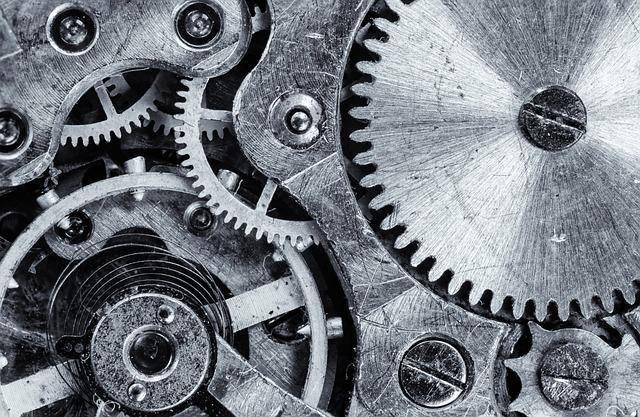
Comparing Accuracy of Manual vs. Automatic Movements
When it comes to the accuracy of mechanical watches, the debate between manual and automatic movements is a topic of interest for many watch enthusiasts. Both types of movements have their advantages and drawbacks, which ultimately impact the precision of timekeeping.
Manual Movements:
- Require regular winding by the wearer.
- Offer a more personal connection to the watch.
- Typically, have a higher level of craftsmanship.
Automatic Movements:
- Self-winding through the natural motion of the wearer’s wrist.
- Convenient for those who prefer a low-maintenance option.
- May have slightly less accuracy due to the complexities of the movement.
| Type of Movement | Accuracy Level |
|---|---|
| Manual | +- 5-10 seconds/day |
| Automatic | +- 10-20 seconds/day |
Ultimately, the choice between a manual and automatic movement comes down to personal preference. Some may prioritize the tradition and craftsmanship of a manual movement, while others may value the convenience of an automatic movement. Whichever you choose, understanding the differences in accuracy can help you make an informed decision that suits your timekeeping needs.
Benefits of COSC-Certified Chronometers for Accuracy Assurance
One of the key benefits of purchasing COSC-certified chronometers is the assurance of accuracy they provide. These timepieces have undergone rigorous testing by the Contrôle Officiel Suisse des Chronomètres (COSC) to ensure that they meet strict standards for precision timekeeping.
When you invest in a COSC-certified chronometer, you can have confidence that you are getting a watch that has been tested and certified to keep time accurately. This certification is not easily obtained, as it requires the watch to meet specific criteria for accuracy in various positions and temperatures.
With a COSC-certified chronometer, you can expect reliable and consistent timekeeping, making it a valuable choice for those who rely on their watches for accurate timekeeping in their daily lives. Whether you are a watch enthusiast, a professional who relies on precise timekeeping, or simply someone who values accuracy in their timepieces, a COSC-certified chronometer is an excellent choice for ensuring precision.
Wrapping Up
In conclusion, the accuracy of mechanical watches ultimately depends on various factors such as the quality of the movement, the regularity of maintenance, and the wearer’s habits. Understanding precision timekeeping is essential for anyone who values accuracy in their timepieces. By paying attention to these key details, you can ensure that your mechanical watch performs at its best and keeps time with precision. Remember, a well-cared-for mechanical watch can provide you with years of reliable and accurate timekeeping.
Get our latest guides, news, and insights highlighted in your Google Search & AI Overviews.