Powering Up: What Powers a Mechanical Watch?
Have you ever wondered what makes a mechanical watch tick? In this article, we’ll delve into the fascinating world of watchmaking and explore the essential components that power these intricate timepieces. From mainsprings to escapements, we’ll uncover the secrets behind the precision and craftsmanship that go into keeping your watch running smoothly. So sit back, relax, and prepare to be amazed by the inner workings of a mechanical marvel.
Contents
- Mechanical Watch Basics
- Understanding the Mainspring
- Examining the Escapement Mechanism
- Role of the Balance Wheel
- Importance of Lubrication
- Comparing Manual and Automatic Movements
- Manual Movements
- Automatic Movements
- Factors affecting Power Reserve
- Maximizing Efficiency in Mechanical Watches
- Choosing the Right Watch for Your Lifestyle
- Concluding Remarks
Mechanical Watch Basics
When it comes to mechanical watches, one of the most fascinating aspects is how they are powered. Unlike quartz watches, which rely on a battery to function, mechanical watches are powered by a complex system of gears and springs.
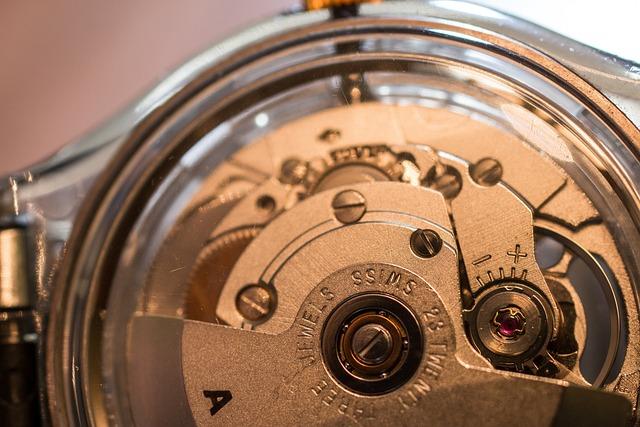
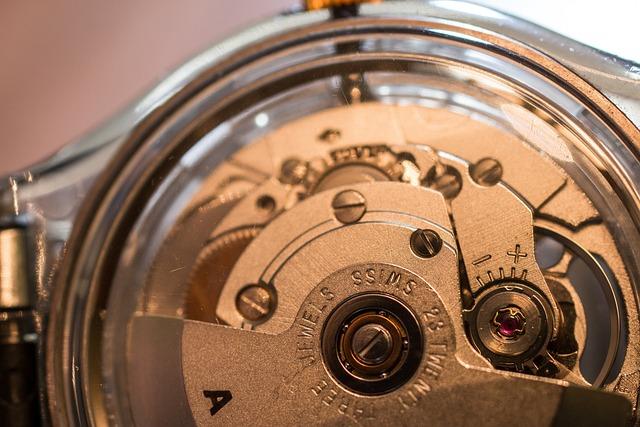
The main components that power a mechanical watch are the mainspring and the gear train. The mainspring is a tightly wound coil of metal that stores energy when it is wound up. As the mainspring unwinds, it releases this energy through the gear train, which consists of a series of gears that transmit the energy from the mainspring to the hands of the watch.
One key element of the gear train is the escapement mechanism, which regulates the release of energy from the mainspring to ensure that the watch keeps accurate time. The escapement consists of a pallet fork and an escape wheel, which work together to control the rotation of the gears and maintain a consistent rate of movement.
In essence, it is the intricate interplay of these components that powers a mechanical watch, making it a marvel of precision engineering and craftsmanship.

Understanding the Mainspring
When it comes to powering a mechanical watch, the mainspring plays a crucial role. This coiled spring is responsible for storing energy that is gradually released to power the timepiece. Understanding this key component can help you appreciate the intricate workings of your watch.
The mainspring is typically made of a durable material like steel or alloy, ensuring it can withstand the tension and compression required for its function. As the mainspring is wound up, potential energy is stored within it. This energy is then transferred to other parts of the watch to keep it running smoothly.
It’s important to note that the length and thickness of the mainspring can impact the power reserve of a mechanical watch. A longer, thicker mainspring can store more energy and provide a longer running time between windings. This is why some high-end watches with superior power reserves often have specially designed mainsprings.
Examining the Escapement Mechanism
When it comes to the inner workings of a mechanical watch, one key component that plays a vital role in its functionality is the escapement mechanism. This intricate system is responsible for regulating the release of energy from the mainspring, allowing the watch to keep accurate time.
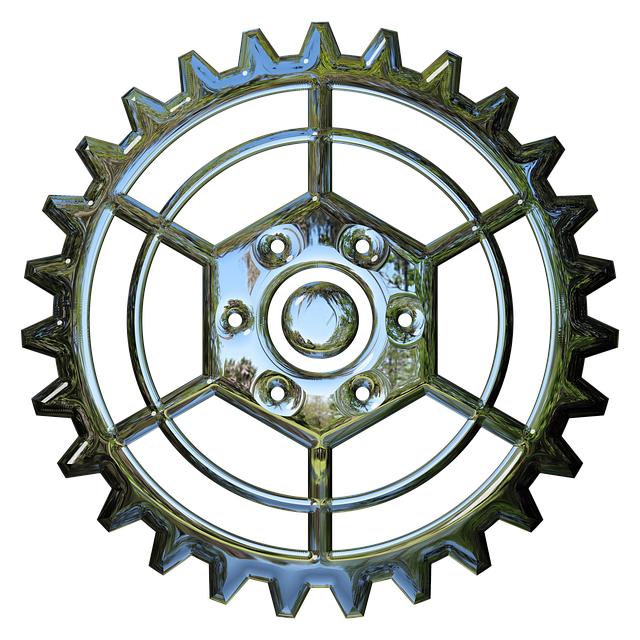
The escapement mechanism consists of several parts working together in harmony to control the movement of the gears and hands. One of the main components is the escapement wheel, which is connected to the gear train and controls the release of energy through a series of teeth and pallets.
Another crucial part of the escapement mechanism is the balance wheel, which oscillates back and forth at a precise frequency. This oscillation is what regulates the movement of the gears and hands, ensuring that the watch keeps accurate time.
In essence, the escapement mechanism acts as the “brain” of the watch, controlling how the energy from the mainspring is distributed throughout the movement. Without this crucial component, a mechanical watch would not be able to function properly and keep accurate time.

Role of the Balance Wheel
The balance wheel is a crucial component in the mechanism of a mechanical watch, serving as the regulating organ that controls the accuracy of timekeeping. This small, circular wheel oscillates back and forth at a consistent rate, dividing time into precise increments.
One of the key functions of the balance wheel is to control the release of energy from the mainspring, which is the primary power source of a mechanical watch. As the mainspring unwinds, it transfers energy through a series of gears to ultimately drive the balance wheel.
The balance wheel works in conjunction with the escapement, a mechanism that controls the release of energy from the mainspring in precise intervals. Together, these two components form a critical partnership in ensuring the accurate timekeeping of a mechanical watch.
In summary, the in a mechanical watch cannot be overstated. Its precise oscillations and regulated release of energy are essential for the functioning of the timepiece, making it a fundamental component in the world of horology.
Importance of Lubrication
When it comes to the inner workings of a mechanical watch, lubrication plays a vital role in ensuring smooth and accurate operation. The movement of a watch consists of numerous tiny components working together in harmony, and without proper lubrication, friction can cause these parts to wear out quickly.
Lubrication helps reduce friction between moving parts, allowing them to glide smoothly against each other. This not only prolongs the lifespan of the watch but also helps maintain its accuracy over time. Without proper lubrication, the components of a watch can grind against each other, causing unnecessary wear and tear.
Choosing the right type of lubricant is crucial in ensuring the optimal performance of a mechanical watch. Different parts of the movement may require different types of lubricants, each designed to withstand specific conditions and temperatures. By applying the correct type and amount of lubricant during servicing, watchmakers can ensure that the watch functions smoothly and reliably.
Regular maintenance and lubrication are essential to keep a mechanical watch running in top condition. By having your watch serviced by a qualified watchmaker at recommended intervals, you can ensure that it continues to function accurately and reliably for years to come. Remember, a well-lubricated watch is a happy watch!
Comparing Manual and Automatic Movements
When it comes to choosing a mechanical watch, one of the key decisions you’ll need to make is whether to opt for a manual or automatic movement. Both types of movements have their own set of advantages and disadvantages, so it’s important to understand the differences between the two.
Manual Movements
Manual movements, also known as hand-wound movements, require regular winding by turning the crown of the watch. This manual winding process is what powers the watch and keeps it running smoothly. Some key points to consider when it comes to manual movements include:
- Requires regular winding to keep the watch running
- Traditional and classic feel
- Typically slimmer and more lightweight
Automatic Movements
Automatic movements, also referred to as self-winding movements, are powered by the natural motion of the wearer’s wrist. This means that as long as the watch is worn regularly, it will continue to wind itself and stay powered. Here are some important things to know about automatic movements:
- Winds itself with the motion of the wrist
- Convenient for everyday wear
- Can be heavier and thicker due to additional components

Factors affecting Power Reserve
One of the key factors that determine the power reserve of a mechanical watch is the size of the mainspring. The mainspring is the component responsible for storing the energy that powers the movement of the watch. A larger mainspring will have a higher capacity to store energy, resulting in a longer power reserve.
Another factor that can impact the power reserve is the frequency at which the balance wheel oscillates. A faster oscillation rate can lead to higher energy consumption, thereby reducing the overall power reserve of the watch. Conversely, a slower oscillation rate can help conserve energy and extend the power reserve.
The efficiency of the movement itself also plays a significant role in determining the power reserve. A well-designed and precisely calibrated movement will be able to make the most out of the energy stored in the mainspring, resulting in a longer power reserve. On the other hand, a poorly constructed movement may waste energy, leading to a shorter power reserve.
Finally, external factors such as temperature and winding habits can also impact the power reserve of a mechanical watch. Extreme temperatures can affect the viscosity of the lubricants used in the movement, while irregular winding patterns can lead to uneven distribution of energy. It is important to consider these factors when assessing the power reserve of a mechanical watch.
Maximizing Efficiency in Mechanical Watches
Mechanical watches are fascinating pieces of engineering that have been around for centuries, relying on intricate mechanisms to keep time without the need for batteries or electricity. At the heart of every mechanical watch is the mainspring, the component that powers the watch’s movement. The mainspring is wound either manually or automatically, storing energy that is released slowly over time to drive the gears and hands of the watch.
Ensuring the efficiency of a mechanical watch’s power source is crucial to its performance and accuracy. By maximizing the energy stored in the mainspring and minimizing the energy lost during transmission, watchmakers can create timepieces that run smoothly and reliably. Here are some ways to optimize the power source of a mechanical watch:
- Use high-quality materials: Choosing durable and efficient materials for the mainspring and gears can reduce friction and energy loss.
- Regular maintenance: Keeping the watch clean and lubricated can prevent wear and tear on the components, preserving the power of the mainspring.
- Adjusting the balance wheel: Calibrating the balance wheel to the correct frequency can improve the accuracy of the watch and reduce energy consumption.
| Material | Efficiency Rating |
| Stainless Steel | Good |
| Titanium | Excellent |
| Gold | Very Good |

Choosing the Right Watch for Your Lifestyle
When it comes to , one important factor to consider is how the watch is powered. Mechanical watches are a popular choice for many watch enthusiasts due to their intricate craftsmanship and classic appeal. But have you ever wondered what powers a mechanical watch?
Unlike quartz watches, which are powered by a battery, mechanical watches rely on the energy stored within a tightly wound mainspring. This mainspring is wound either manually or automatically through the movement of the wearer’s wrist. As the mainspring unwinds, it releases energy that is transferred through a series of gears, ultimately driving the hands of the watch.
One key component of a mechanical watch is the escapement mechanism, which regulates the release of energy from the mainspring in a series of controlled increments. This helps ensure that the watch keeps accurate time and prevents the mainspring from unwinding too quickly. The escapement mechanism consists of a balance wheel, anchor, and escape wheel, all working together in a precise dance to keep the watch running smoothly.
Concluding Remarks
In conclusion, understanding what powers a mechanical watch is crucial for watch enthusiasts and collectors alike. From traditional manual winding to modern automatic and quartz movements, each type offers its own unique benefits and characteristics. Whether you prefer the craftsmanship and tradition of a manual movement or the convenience of an automatic watch, the power source of your timepiece can greatly impact its performance and longevity. By choosing a watch with a movement that aligns with your preferences and lifestyle, you can ensure years of reliable timekeeping and enjoyment. So, next time you’re shopping for a new watch, consider the power source behind the dial and find the perfect timepiece to suit your needs.
Get our latest guides, news, and insights highlighted in your Google Search & AI Overviews.