All of a Sudden Mechanical Watch Stops: Troubleshooting Timepiece Issues
Have you ever experienced the frustration of your beloved mechanical watch suddenly stopping? In this article, we will explore some common issues that can cause your timepiece to come to a halt and provide practical troubleshooting tips to help you get it ticking again in no time. Whether you’re a seasoned watch enthusiast or a newcomer to the world of mechanical timepieces, understanding these potential issues can save you time and money in the long run. Let’s dive in and unravel the mystery of why your watch has stopped.
Contents
- Common Reasons for a Mechanical Watch to Suddenly Stop Working
- Simple Steps to Take When Your Mechanical Watch Stops
- Potential Issues with the Timepiece Movement
- How to Properly Wind Your Mechanical Watch
- The Importance of Regular Maintenance for Your Timepiece
- Troubleshooting External Factors that Could Affect Your Watch
- Seeking Professional Help for More Complicated Watch Issues
- Preventative Measures to Keep Your Watch Running Smoothly
- Knowing When It’s Time to Replace or Repair Your Mechanical Watch
- To Wrap It Up
Common Reasons for a Mechanical Watch to Suddenly Stop Working
When your mechanical watch suddenly stops working, it can be frustrating and confusing. There are several common reasons why this could happen, and knowing what to look for can help troubleshoot the issue.
- Power reserve depletion: Mechanical watches need to be wound regularly to keep them running. If your watch has not been wound enough, it may have run out of power.
- Dirty or blocked movement: Dust, debris, or moisture can cause the movement of the watch to become clogged or blocked, preventing it from functioning properly.
- Impact or shock damage: Dropping or hitting your watch can cause internal components to become dislodged or damaged, resulting in the watch stopping suddenly.
- Broken mainspring: The mainspring is responsible for powering the movement of the watch. If the mainspring breaks, the watch will not be able to function.
Regular maintenance and care of your mechanical watch can help prevent these issues from occurring. If your watch does stop suddenly, it may be necessary to take it to a professional watchmaker for repairs.

Simple Steps to Take When Your Mechanical Watch Stops
If your mechanical watch suddenly stops, don’t panic. There are simple steps you can take to troubleshoot and potentially fix the issue on your own. Follow these tips to get your timepiece ticking again:
- Wind the watch: If your watch is manual or automatic, try winding it up to see if that gets it running again.
- Check the power reserve: Make sure your watch has enough power reserve left. Some mechanical watches have a power reserve indicator that will let you know when it’s time to wind it up.
- Check for magnetization: A magnetized balance spring can cause your watch to stop. Use a demagnetizer or take it to a professional watchmaker to demagnetize it.

Potential Issues with the Timepiece Movement
One potential issue that could cause your mechanical watch to suddenly stop is a lack of power reserve. Mechanical watches need to be wound regularly to keep running, so if you haven’t wound it recently, that could be the reason for the sudden stop. Another issue to consider is magnetization. If your watch has been exposed to strong magnetic fields, it could disrupt the movement and cause it to stop.
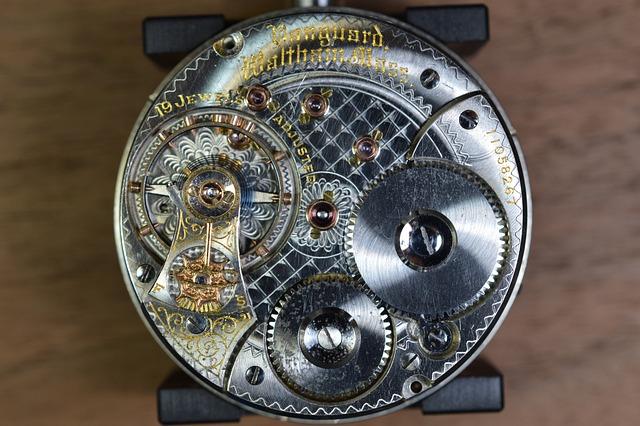
Additionally, a loose or broken mainspring could be the culprit behind your watch stopping. The mainspring is what powers the movement of the watch, so any issues with it could result in the watch not functioning properly. It’s also worth checking the balance wheel and escapement mechanism for any obstructions or damage that could be affecting the movement.
If you’ve ruled out these potential issues and your watch is still not working, it may be time to take it to a professional watchmaker for a closer inspection. They will be able to diagnose the problem and make any necessary repairs to get your timepiece back up and running smoothly. Remember, regular maintenance and care can help prevent these issues from occurring in the future.
How to Properly Wind Your Mechanical Watch
When your mechanical watch suddenly stops working, it can be frustrating and perplexing. However, there are several common issues that could cause your timepiece to stop running. One of the most common reasons is simply that the watch needs to be wound. Properly winding your mechanical watch is essential for it to function correctly and keep accurate time.
To ensure that you wind your watch properly, follow these steps:
- Locate the crown of the watch, which is the small knob on the side of the watch case.
- Turn the crown clockwise in the direction indicated on the watch to wind the mainspring. Do not overwind the watch, as this can cause damage.
- Once the watch is fully wound, set the time and any other functions if necessary.
- Wear the watch regularly to keep it running smoothly and accurately.
By following these simple steps and properly winding your mechanical watch, you can troubleshoot any issues that may arise unexpectedly. Remember to handle your timepiece with care and avoid exposing it to extreme temperatures or shocks to ensure its longevity and performance.

The Importance of Regular Maintenance for Your Timepiece
Regular maintenance is crucial for ensuring the longevity and accuracy of your timepiece. Oftentimes, people neglect the maintenance of their watches, leading to unexpected issues such as a sudden stop in the mechanical movement. To troubleshoot such problems, it is essential to be proactive in caring for your watch.
One common reason for a mechanical watch to suddenly stop is a lack of lubrication. Over time, the oils in the movement dry out and degrade, causing increased friction and eventual stoppages. Regular servicing by a professional watchmaker can help prevent this issue and keep your timepiece running smoothly.
Another potential cause of a watch stopping is magnetization. Exposure to magnetic fields can disrupt the movement of the watch, leading to inaccuracies or complete stoppages. To combat this, some watches are equipped with anti-magnetic features, but regular maintenance can also help detect and mitigate magnetization issues. Remember, prevention is key when it comes to preserving the integrity of your timepiece.
Troubleshooting External Factors that Could Affect Your Watch
If your mechanical watch suddenly stops working, there are a few external factors that could be affecting its performance. By troubleshooting these issues, you may be able to identify the problem and get your timepiece back up and running smoothly.
- Magnetic Interference: Your watch may have come into contact with a magnetic field, causing the movement to be disrupted. Keep your watch away from electronics or magnetic objects to prevent this issue.
- Water Damage: If your watch is not water-resistant or has been exposed to moisture, it could affect the internal components. Be sure to keep your watch dry and avoid submerging it in water.
- Impact or Shock: Dropping your watch or subjecting it to strong impacts can cause the movement to stop. Handle your timepiece with care to prevent any damage from occurring.
If you have checked these external factors and your watch is still not working, it may be time to take it to a professional watchmaker for further inspection and repairs. Remember to regularly service your mechanical watch to maintain its performance and longevity.

Seeking Professional Help for More Complicated Watch Issues
Sometimes, despite our best efforts, our beloved mechanical watches suddenly stop working. This can be frustrating, but fear not, as there are steps you can take to troubleshoot the issue.
**Basic Troubleshooting Steps:**
– Check if the watch is wound properly.
– Ensure that the watch is not magnetized.
– Look for any visible damage or debris that may be obstructing the movement.
If after these steps, your watch still refuses to cooperate, it may be time to seek professional help. Here are some reasons why seeking help from a watchmaker is crucial for more complicated watch issues:
**Why Seek Professional Help:**
– Watchmakers have the specialized tools and knowledge to diagnose and repair complex watch problems.
– Attempting to fix the issue yourself may cause further damage to the watch.
– A professional can provide a proper cleaning and maintenance routine to prevent future issues.
In conclusion, when your mechanical watch suddenly stops working, don’t panic. Follow the basic troubleshooting steps, and if the issue persists, don’t hesitate to seek the expertise of a professional watchmaker to ensure your timepiece is in top working condition.
Preventative Measures to Keep Your Watch Running Smoothly
When it comes to keeping your mechanical watch running smoothly, there are several preventative measures you can take to avoid sudden stops or issues. By following these simple tips, you can ensure that your timepiece stays in top condition for years to come.
- Clean Your Watch Regularly: Use a soft cloth to gently wipe down the exterior of your watch and remove any dirt or dust that may have accumulated.
- Keep Your Watch Wound: If you have an automatic or manual winding watch, make sure to wind it regularly to prevent the movement from stopping due to lack of power.
- Avoid Magnetic Fields: Keep your watch away from strong magnetic fields, as this can disrupt the movement and cause it to stop suddenly.
Additionally, it’s important to have your watch serviced by a professional watchmaker every few years to ensure that all components are in working order and to catch any potential issues before they become major problems. By following these preventative measures, you can keep your watch running smoothly and enjoy accurate timekeeping for years to come.

Knowing When It’s Time to Replace or Repair Your Mechanical Watch
When your mechanical watch suddenly stops, it can be quite frustrating. However, before jumping to conclusions, it’s essential to troubleshoot the issues to determine whether the watch needs to be replaced or repaired. Here are some common problems that may cause your mechanical watch to stop:
- Dead battery
- Loose crown
- Damaged movement
- Water damage
If your watch has a dead battery, replacing it is a simple solution that can get your timepiece ticking again. However, if the crown is loose or the movement is damaged, it may require professional repair. Water damage is another significant issue that can affect the functioning of your mechanical watch and needs to be addressed promptly to prevent further damage.
Knowing when to replace or repair your mechanical watch is crucial to ensure its longevity and accurate timekeeping. By understanding the common issues that can cause your timepiece to stop, you can make an informed decision on the best course of action to take to get your watch back in working order.
To Wrap It Up
In conclusion, troubleshooting a sudden stop in a mechanical watch can be done by checking for common issues such as low power reserve, magnetization, or debris. By understanding these key factors and taking appropriate steps, you can keep your timepiece running smoothly and accurately. Remember to handle your watch with care and consult a professional if needed to ensure its longevity. Keep these tips in mind to enjoy your mechanical watch for years to come.
Get our latest guides, news, and insights highlighted in your Google Search & AI Overviews.