Average Accuracy of Mechanical Wrist Watches: Setting Timekeeping Expectations
Have you ever wondered just how accurate mechanical wrist watches really are? In this article, we’ll delve into the world of timekeeping and set realistic expectations for the average accuracy of these timeless timepieces. Whether you’re a watch enthusiast or simply curious about the inner workings of your favorite accessory, you’re sure to find this exploration both informative and enriching. So sit back, relax, and prepare to enhance your understanding of the precision behind mechanical wrist watches.
Contents
- Understanding the Role of Mechanical Movements
- Factors Affecting Accuracy in Mechanical Watches
- Measuring Accuracy: How to Determine Your Watch’s Performance
- Setting Realistic Expectations for Mechanical Watch Accuracy
- Tips for Maintaining and Enhancing Accuracy
- Accuracy Standards in the Watch Industry: What to Expect
- Caring for Your Mechanical Watch: Importance of Regular Servicing
- Improving Accuracy Through Proper Calibration
- Technical Considerations for Optimizing Timekeeping Performance
- Key Takeaways
Understanding the Role of Mechanical Movements
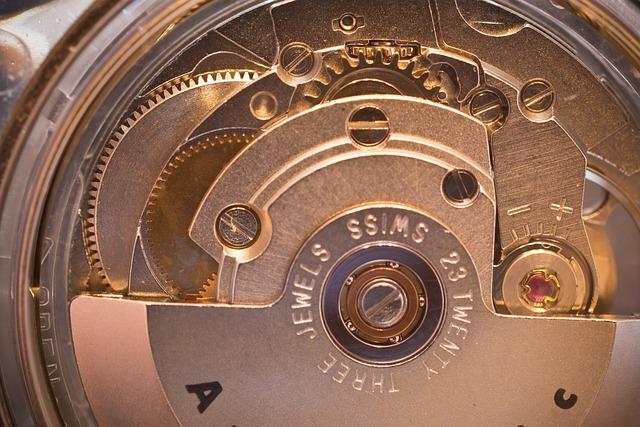
When it comes to mechanical wristwatches, it’s important to set realistic expectations for their timekeeping accuracy. Mechanical movements, unlike quartz movements, are powered by a complex system of gears and springs that require regular maintenance to function properly. As a result, the average accuracy of mechanical wristwatches can vary depending on several factors.
One of the key factors that can affect the accuracy of a mechanical wristwatch is the quality of the movement itself. Higher-end movements, such as those found in luxury watch brands, are often more finely crafted and regulated, resulting in better overall accuracy.
Another factor to consider is how often the watch is worn and wound. Mechanical movements rely on regular wear and winding to keep them running accurately. If a mechanical watch is left unworn for an extended period, it may lose accuracy as the lubricants in the movement dry out.
Overall, while mechanical wristwatches may not be as precise as their quartz counterparts, they offer a level of craftsmanship and artistry that is unmatched. By and setting realistic expectations for their accuracy, watch enthusiasts can fully appreciate the beauty and complexity of these timeless timepieces.

Factors Affecting Accuracy in Mechanical Watches
When it comes to mechanical wrist watches, there are a few key factors that can affect their accuracy. Understanding these factors can help you set realistic timekeeping expectations for your watch.
One of the main factors that can impact the accuracy of a mechanical watch is the quality of its movement. Higher-end watches often have more precise movements, resulting in better accuracy overall.
Another factor to consider is the age and maintenance of the watch. Older watches may not keep time as accurately as newer ones, especially if they have not been serviced regularly.
External factors such as temperature, humidity, and the wearer’s activity level can also play a role in the accuracy of a mechanical watch. Extreme conditions can cause the watch to run fast or slow, so it’s important to keep these variables in mind.

Measuring Accuracy: How to Determine Your Watch’s Performance
When it comes to mechanical wrist watches, accuracy can vary from model to model. It’s important to set realistic expectations when it comes to the timekeeping performance of your watch. While some watches may be incredibly precise, others may have a margin of error that is considered acceptable within the industry standards.
One way to determine the accuracy of your watch is by keeping track of how much time it gains or loses over a specified period. This can be done by comparing the time displayed on your watch to a more accurate time source, such as an atomic clock. By doing this regularly, you can get a good idea of how well your watch is keeping time.
It’s important to note that mechanical watches are not as accurate as quartz watches, which are known for their precision timekeeping. However, many watch enthusiasts appreciate the craftsmanship and history behind mechanical watches, despite their slightly lower accuracy.
Overall, understanding the average accuracy of mechanical wrist watches can help you set reasonable expectations and appreciate the artistry and precision that goes into creating these timepieces.

Setting Realistic Expectations for Mechanical Watch Accuracy
When it comes to mechanical wrist watches, it’s important to have a realistic understanding of their accuracy. While these timepieces are a beautiful blend of craftsmanship and engineering, they do not operate with the same precision as quartz watches. Here’s what you can expect in terms of timekeeping accuracy:
- **Typical Accuracy**: On average, mechanical watches can gain or lose anywhere from 1-2 seconds per day.
- **Variability**: The accuracy of mechanical watches can vary based on factors such as age, maintenance, and quality of construction.
- **Complications**: Watches with additional complications, such as a chronograph or perpetual calendar, may have slightly lower accuracy due to the complexity of their movements.
It’s important to keep in mind that the allure of mechanical watches lies in their craftsmanship and history, not necessarily in their ability to keep perfect time. Embracing the small variations in accuracy can add to the charm and character of your timepiece.

Tips for Maintaining and Enhancing Accuracy
When it comes to maintaining and enhancing the accuracy of your mechanical wristwatch, there are a few key tips to keep in mind. By following these guidelines, you can ensure that your timepiece is always running smoothly and keeping accurate time.
- Regular Timekeeping Adjustments: Be sure to adjust the time on your watch regularly to account for any discrepancies that may occur.
- Proper Maintenance: It’s important to have your watch serviced by a professional regularly to ensure that all components are functioning properly.
- Avoid Extreme Conditions: Try to keep your watch away from extreme temperatures, as this can impact its accuracy over time.
- Store Safely: When not in use, store your watch in a safe and secure location to prevent any damage that could affect its timekeeping abilities.
| Tip | Details |
|---|---|
| Regular Timekeeping Adjustments | Adjust the time on your watch regularly to account for any discrepancies that may occur. |
| Proper Maintenance | Have your watch serviced by a professional regularly to ensure all components are functioning properly. |
| Avoid Extreme Conditions | Keep your watch away from extreme temperatures to prevent accuracy issues. |
| Store Safely | Store your watch in a safe location when not in use to avoid damage affecting timekeeping. |

Accuracy Standards in the Watch Industry: What to Expect
When it comes to the accuracy of mechanical wristwatches, it’s essential to have realistic expectations. While some watch enthusiasts may expect their timepiece to keep time perfectly, the reality is that mechanical watches are not as precise as quartz movements. Here are some key points to consider when setting your timekeeping expectations:
- Variations in Accuracy: Mechanical watches are powered by a mainspring and gear train, which can introduce slight variations in accuracy. It’s normal for a mechanical watch to gain or lose a few seconds per day.
- Quality of Movement: The accuracy of a mechanical watch can also depend on the quality of the movement. Higher-grade movements, such as those found in luxury watches, are often more accurate than entry-level movements.
- Regulation: Getting your mechanical watch regulated by a professional watchmaker can help improve its accuracy. This involves adjusting the balance wheel and escapement to ensure optimal timekeeping.
Overall, it’s important to remember that mechanical watches are a blend of artistry and engineering, and slight variations in accuracy are part of their charm. By understanding the limitations of mechanical movements and taking proper care of your watch, you can set realistic expectations for its timekeeping performance.

Caring for Your Mechanical Watch: Importance of Regular Servicing
Regular servicing is essential for maintaining the accuracy and longevity of your mechanical wrist watch. Over time, the oils and lubricants inside the watch can dry out or degrade, causing increased friction and wear on the moving parts. This can lead to decreased accuracy and potential damage to the watch if not addressed promptly.
By having your watch serviced regularly by a professional watchmaker, you can ensure that it continues to keep time accurately and operate smoothly. During a servicing, the watchmaker will disassemble the watch, clean all the components, replace any worn parts, and re-lubricate the movement. This not only helps to maintain the accuracy of the watch but also extends its lifespan.
It is generally recommended to have your mechanical watch serviced every 3-5 years, depending on the manufacturer’s guidelines and the watch’s usage. Neglecting regular servicing can result in decreased accuracy and performance, as well as potential costly repairs down the line. Investing in regular maintenance for your mechanical watch is crucial to preserving its value and ensuring it remains in top condition.
- Regular servicing ensures optimal accuracy and performance
- Helps prevent potential damage and costly repairs
- Extends the lifespan of the watch
- Preserves the value of the watch

Improving Accuracy Through Proper Calibration
When it comes to mechanical wrist watches, accuracy is a key factor that watch enthusiasts pay close attention to. To ensure that your timepiece is keeping accurate time, proper calibration is essential. By calibrating your watch correctly, you can improve its accuracy and longevity.
One important aspect of proper calibration is setting realistic timekeeping expectations. Mechanical watches, unlike quartz watches, are not as precise and can have variations in timekeeping. On average, mechanical watches can have a deviation of +/- 5 to 10 seconds per day. Understanding this range can help you appreciate the craftsmanship and complexity of mechanical movements.
Calibrating your watch involves adjusting the movement to keep accurate time. This process can be done by a professional watchmaker or by following the manufacturer’s instructions. By ensuring that your watch is properly calibrated, you can enjoy accurate timekeeping and prolong the lifespan of your timepiece.

Technical Considerations for Optimizing Timekeeping Performance
In order to optimize the performance of your mechanical wristwatch, there are several technical considerations to keep in mind. One key aspect to consider is the average accuracy of mechanical watches, as this will help set your timekeeping expectations. While modern mechanical watches are incredibly precise, they may not always keep time as accurately as quartz watches. However, understanding the limitations of mechanical watches can help you appreciate their craftsmanship and artistry.
Here are some important :
– Caliber of Movement: The caliber of movement in a mechanical watch plays a significant role in its accuracy. Higher-quality movements, such as those from renowned Swiss manufacturers, are likely to provide better timekeeping performance.
– Adjustment and Regulation: Regular adjustments and regulation of your mechanical watch can help improve its accuracy. This may involve fine-tuning the balance wheel, adjusting the hairspring, or regulating the escapement mechanism.
– Maintenance and Service: Proper maintenance and servicing of your mechanical watch are essential for ensuring optimal timekeeping performance. This includes regular cleaning, lubrication, and inspection by a professional watchmaker.
– Environmental Factors: Environmental factors, such as temperature and humidity, can affect the accuracy of mechanical watches. Storing your watch in a stable environment and avoiding extreme conditions can help maintain its accuracy over time.
By taking these technical considerations into account and setting realistic timekeeping expectations, you can fully enjoy the beauty and precision of your mechanical wristwatch.
Key Takeaways
In conclusion, understanding the average accuracy of mechanical wrist watches can help you set realistic timekeeping expectations. While most mechanical watches are designed to be accurate within a few seconds per day, variations in movement, wear and tear, and external factors can impact their performance. By being aware of these factors and regularly servicing your watch, you can ensure that it continues to keep time accurately. Remember, no watch is perfect, but with proper care and maintenance, you can enjoy the beauty and precision of a mechanical timepiece for years to come. Thank you for reading!
Get our latest guides, news, and insights highlighted in your Google Search & AI Overviews.