Chronograph vs Automatic Watch: Decoding Timekeeping Technology
If you’ve ever found yourself in the market for a new watch, you’ve likely come across terms like “chronograph” and “automatic” without knowing exactly what they entail. But fear not, as we’re here to decode the ins and outs of these two popular timekeeping technologies. So grab a cup of coffee, sit back, and get ready to delve into the fascinating world of chronograph vs automatic watches.
Contents
- Chronograph Watch: A Detailed Overview of the Timekeeping Technology
- Automatic Watch: Understanding the Mechanics and Functionality
- Differentiating Between Chronograph and Automatic Watches
- Pros and Cons of Chronograph Watches
- Pros of Chronograph Watches:
- Cons of Chronograph Watches:
- Pros and Cons of Automatic Watches
- Choosing Between Chronograph and Automatic Watches: Factors to Consider
- Recommendations for Watch Enthusiasts: Chronograph or Automatic?
- Decoding the Price Factor: Chronograph vs Automatic Watches
- Maintenance Tips for Chronograph and Automatic Watches
- Conclusion: Making an Informed Decision on Your Timepiece Choice
- To Conclude
Chronograph Watch: A Detailed Overview of the Timekeeping Technology
In the world of timekeeping technology, two popular options stand out: the chronograph watch and the automatic watch. While both serve the purpose of keeping track of time, they operate in different ways and offer unique features to their users.
**Chronograph Watch:**
- Includes a stopwatch function
- Allows users to time events and measure elapsed time
- Often used in sports and aviation
**Automatic Watch:**
- Relies on the movement of the wrist to power the watch
- No need for batteries or manual winding
- Great for everyday wear and convenience
| Features | Chronograph Watch | Automatic Watch |
|---|---|---|
| Stopwatch Function | ✔ | ❌ |
| Wrist Movement Power | ❌ | ✔ |
Whether you prefer the functionality of a chronograph watch or the effortless charm of an automatic watch, both options offer unique benefits that cater to different lifestyles and preferences. Deciding between the two ultimately comes down to personal preference and how you plan to use your timepiece.

Automatic Watch: Understanding the Mechanics and Functionality
When it comes to timekeeping technology, the debate between chronograph and automatic watches is a common topic among watch enthusiasts. Understanding the mechanics and functionality of these two types of watches is essential for making an informed choice. So, let’s dive into the world of automatic watches and decode their fascinating technology.
Automatic watches, also known as self-winding watches, are powered by the movement of the wearer’s wrist. The mechanism inside the watch winds the mainspring, which stores energy and powers the watch. This unique feature eliminates the need for manual winding, making automatic watches a convenient choice for those who prefer low maintenance timepieces.
One of the key differences between chronograph and automatic watches is their functionality. While chronograph watches have additional stopwatch features, automatic watches focus solely on telling time. However, automatic watches are praised for their craftsmanship, precision, and classic design. They are a symbol of luxury and sophistication, making them a popular choice among watch collectors.
Overall, automatic watches offer a blend of traditional watchmaking techniques and modern technology. Their intricate mechanics and timeless appeal make them a coveted accessory for any watch enthusiast. Whether you choose a chronograph or automatic watch, understanding the mechanics behind these timepieces adds a new level of appreciation for the art of horology.
Differentiating Between Chronograph and Automatic Watches
When it comes to timepieces, there are two main types that often get confused – chronograph and automatic watches. Both serve different purposes and have unique features that set them apart. Let’s delve into the key differences between these two types of watches to help you make an informed decision.
Chronograph Watches:
- Feature stopwatch functionality
- Have additional subdials for measuring elapsed time
- Often used for timing events such as races or sports activities
Automatic Watches:
- Operate using a self-winding mechanism powered by wrist movement
- Do not require batteries or manual winding
- Great for daily wear and convenience
Ultimately, the choice between a chronograph and automatic watch will depend on your lifestyle, preferences, and needs. Whether you opt for the precision of a chronograph or the low-maintenance appeal of an automatic watch, both types offer unique advantages that cater to different timekeeping needs.

Pros and Cons of Chronograph Watches
When it comes to timekeeping technology, two popular options stand out: chronograph and automatic watches. Both offer unique features and functionalities that cater to different preferences and needs. Let’s delve into the to help you decide which timepiece suits you best.
Pros of Chronograph Watches:
- Functionality: Chronograph watches come equipped with stopwatch features, making them ideal for timing events or activities.
- Style: Chronograph watches have a sporty and sophisticated aesthetic, making them versatile for both casual and formal occasions.
- Prestige: Chronograph watches are often associated with luxury watch brands, adding a touch of prestige to your wrist.
- Customization: Many chronograph watches offer various designs and complications, allowing you to choose a watch that best fits your taste.
Cons of Chronograph Watches:
- Complexity: The additional features of chronograph watches may make them more complicated to use and maintain.
- Cost: Chronograph watches tend to be more expensive than automatic watches due to their intricate mechanisms and added functionalities.
- Weight: Chronograph watches are usually heavier than automatic watches, which may not be comfortable for all wearers.

Pros and Cons of Automatic Watches
Automatic watches, also known as self-winding watches, are timepieces that do not require manual winding. They are powered by the movement of the wearer’s wrist, which then winds the mainspring to keep the watch running. There are several advantages and disadvantages to owning an automatic watch that should be considered before making a purchase.
Pros:
- Low Maintenance: Automatic watches do not require frequent winding or battery replacements, making them a convenient option for those who prefer a low-maintenance timepiece.
- Sophisticated Movement: Automatic watches are often considered more prestigious and sophisticated due to their intricate mechanical movements, making them a popular choice among watch enthusiasts.
- Continuous Timekeeping: Since automatic watches are powered by the wearer’s movements, they will continue to keep time as long as they are worn regularly, eliminating the need for manual adjustment.
Cons:
- Accuracy: Automatic watches may not be as accurate as quartz watches, as they can lose or gain time depending on the wearer’s activity level and wear frequency.
- Price: Automatic watches are typically more expensive than quartz watches due to their complex mechanical movements and craftsmanship.
- Need for Wearing: Since automatic watches are powered by the wearer’s wrist movements, they must be worn regularly to keep them running. If left unworn for an extended period, they may stop and need to be re-wound.

Choosing Between Chronograph and Automatic Watches: Factors to Consider
When it comes to choosing between a chronograph and an automatic watch, there are several factors to consider that can help make your decision easier.
One important factor to consider is the functionality you need from your watch. **Chronograph watches** are known for their stopwatch functionality, making them ideal for individuals who require precise timekeeping for activities such as sports, racing, or diving. On the other hand, **automatic watches** are powered by the movement of the wearer’s wrist, eliminating the need for a battery.
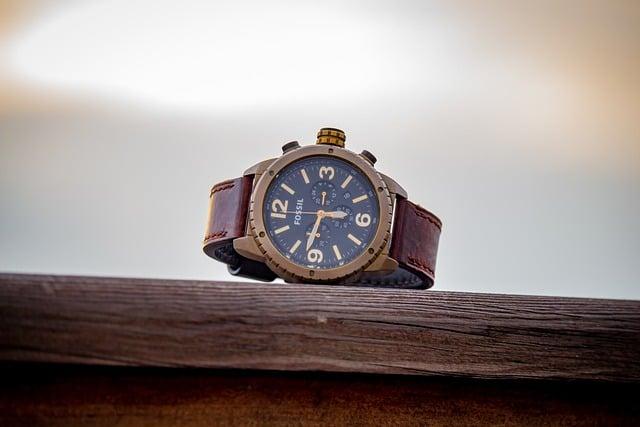
Another factor to consider is the style and design of the watch. **Chronograph watches** often have a sporty and masculine aesthetic, with multiple subdials and pushers on the case. **Automatic watches**, on the other hand, are typically more classic and elegant in design, making them suitable for both formal and casual occasions.
Additionally, consider the maintenance requirements of each type of watch. **Chronograph watches** may require more frequent servicing due to the complexity of their movement and functions. **Automatic watches** are known for their durability and longevity, with minimal maintenance required beyond regular cleaning and occasional servicing.
Ultimately, the choice between a chronograph and an automatic watch comes down to your personal preferences in terms of style, functionality, and maintenance. Consider these factors carefully to ensure you choose a timepiece that suits your needs and reflects your unique sense of style.
Recommendations for Watch Enthusiasts: Chronograph or Automatic?
When it comes to choosing between a chronograph and an automatic watch, there are several factors to consider. Both types of timepieces have their own unique features and benefits, so it ultimately depends on your personal preferences and lifestyle.
Chronograph Watch:
- Offers stopwatch functionality for timing events
- Typically has multiple sub-dials for measuring seconds, minutes, and hours
- Popular among sports enthusiasts and pilots for its precision timing capabilities
Automatic Watch:
- Runs on a self-winding mechanism powered by the movement of your wrist
- No need for a battery or manual winding, as long as it is worn regularly
- Known for its craftsmanship and traditional watchmaking heritage
Ultimately, the decision between a chronograph and an automatic watch comes down to your personal style and how you plan to use the timepiece. If you value precision timing and additional functionality, a chronograph might be the way to go. On the other hand, if you appreciate the craftsmanship and convenience of a self-winding watch, an automatic might be the better choice for you. Whichever you choose, both types of watches are timeless classics that will elevate your style and complement your watch collection.

Decoding the Price Factor: Chronograph vs Automatic Watches
| Feature | Chronograph | Automatic |
|---|---|---|
| Mechanism | Has additional stopwatch functionality | Operates purely on mechanical movements |
| Complexity | Generally more complicated in construction | Relies on fewer moving parts |
| Pricing | Typically more expensive due to added functions | Generally more affordable for automatic models |
Deciding between a chronograph and an automatic watch often comes down to personal preference and budget. Chronograph watches are known for their intricate design and added features, making them a popular choice for those who value functionality and sophistication. On the other hand, automatic watches boast simplicity in their movement, relying solely on the intricate craftsmanship of traditional mechanical watchmaking.
When considering the price factor, it’s essential to weigh the pros and cons of each type of watch. Chronograph watches tend to be on the higher end of the pricing spectrum due to their complex mechanisms and additional features. On the other hand, automatic watches provide a more affordable option for those looking for a reliable timepiece without the added functionalities.
Ultimately, the decision between a chronograph and an automatic watch will depend on your personal style, preferences, and budget. Whether you opt for the intricate design of a chronograph or the classic simplicity of an automatic watch, both offer unique features that cater to different needs and tastes in timekeeping technology.

Maintenance Tips for Chronograph and Automatic Watches
When it comes to maintaining your chronograph and automatic watches, there are a few key tips to keep in mind. Both types of watches are intricate pieces of technology that require special care to ensure they continue to function properly. Here are some maintenance tips to help you keep your timepieces in top condition:
- Regular Cleaning: It’s essential to regularly clean your watch to prevent dust and dirt from building up and causing damage. Use a soft cloth to gently wipe down the exterior of the watch and a soft brush to clean in between the links of the bracelet.
- Service Regularly: Chronograph and automatic watches should be serviced by a professional watchmaker every 3-5 years to ensure they are properly lubricated and functioning correctly.
- Keep Away from Magnets: Both types of watches can be sensitive to magnetic fields, so it’s important to store them away from magnets to prevent accuracy issues.
- Rotate Your Watches: If you have multiple watches in your collection, be sure to rotate wearing them to prevent one watch from sitting for too long without use, which can cause it to stop working properly.
| Tip | Details |
|---|---|
| Cleaning | Regularly wipe down watch with soft cloth |
| Service | Have watch serviced every 3-5 years by professional |
| Magnets | Avoid storing watches near magnets |
| Rotate Watches | Rotate wearing watches in collection to prevent issues |

Conclusion: Making an Informed Decision on Your Timepiece Choice
When it comes to choosing between a chronograph and an automatic watch, it ultimately boils down to your personal preferences and lifestyle. Both timekeeping technologies offer unique features and benefits, so it’s important to consider what matters most to you when making your decision.
Here are some key factors to keep in mind:
- Accuracy: Automatic watches are known for their precision timekeeping, while chronographs typically prioritize functionality over exact timekeeping.
- Features: Chronographs come equipped with various functions such as stopwatch, tachymeter, and telemeter, whereas automatic watches focus solely on telling time.
- Maintenance: Automatic watches require regular winding or wearing to keep them running smoothly, while chronographs may need battery replacements for certain functions.
Ultimately, the choice between a chronograph and an automatic watch comes down to your individual style and needs. Whether you value precision timekeeping, functional features, or low maintenance, there is a timepiece out there that will suit your preferences perfectly.
To Conclude
In conclusion, when it comes to choosing between a chronograph and an automatic watch, it ultimately boils down to personal preference and intended use. Chronographs offer additional stopwatch functionality, while automatic watches provide the convenience of self-winding technology. Both timepieces hold their unique appeals and have their own merits in the realm of horology. By understanding the differences between these two types of watches, you can make an informed decision based on your lifestyle and preferences. Ultimately, the choice is yours to make based on what suits you best.
Get our latest guides, news, and insights highlighted in your Google Search & AI Overviews.