Movement Mastery: How Does a Mechanical Watch Movement Work?
Have you ever wondered how a mechanical watch movement actually works? The intricate inner workings of a timepiece may seem mysterious, but in reality, they operate based on centuries-old principles of engineering and precision craftsmanship. In this article, we will delve into the fascinating world of movement mastery, exploring the intricacies of how a mechanical watch movement functions and keeps time with accuracy. Join us on this journey of discovery and unravel the secrets behind the ticking of your favorite timepiece.
Contents
Exploring the Inner Workings of a Mechanical Watch Movement
Have you ever wondered what makes a mechanical watch movement tick? Let’s dive deep into the intricate world of watchmaking and discover the inner workings of these fascinating timepieces.
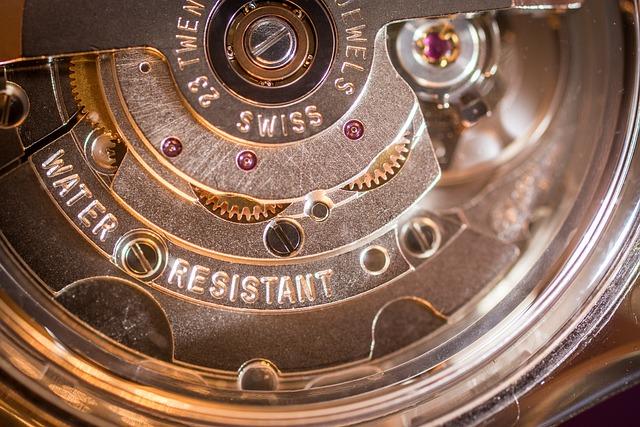
At the heart of every mechanical watch is the movement, which is essentially the engine that drives the watch and keeps time ticking accurately. There are two main types of mechanical movements: manual and automatic. Manual movements require winding by hand, while automatic movements are self-winding and powered by the movement of the wearer’s wrist.
The key components of a mechanical watch movement include the mainspring, gears, escapement mechanism, balance wheel, and hands. The mainspring stores energy when wound up, and releases it gradually to power the gears, which then move the hands of the watch. The escapement mechanism regulates the release of energy from the mainspring, while the balance wheel oscillates back and forth to ensure the watch keeps accurate time.
Overall, the intricate design and craftsmanship that go into creating a mechanical watch movement are truly remarkable. From the precision engineering of the gears to the delicate balance of the escapement mechanism, every element works together harmoniously to bring a mechanical watch to life.

Understanding the Components of a Watch Movement
A mechanical watch movement is a complex mechanism that powers the watch and keeps time accurately. It is made up of several key components that work together seamlessly to ensure the watch functions properly. Understanding these components is crucial for anyone who wants to appreciate the intricacies of watchmaking.
One of the main components of a watch movement is the mainspring, which stores energy when wound up. This energy is then released gradually to power the watch. The escapement is another crucial component, responsible for regulating the release of energy from the mainspring. It consists of the pallet fork and escape wheel, which work together to control the movement of the gear train.
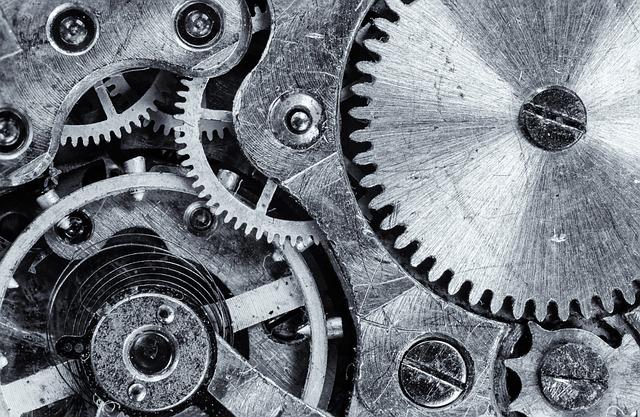
The gear train is a series of gears that transmit power from the mainspring to the hands of the watch. Each gear is carefully calibrated to ensure the correct movement of the hands. The balance wheel and hairspring work in tandem to regulate the speed at which the gear train moves, ensuring accurate timekeeping. These components, along with others such as the crown, stem, and barrel, all play a vital role in the functioning of a mechanical watch movement.
The Intricate Dance of Gears and Springs: How a Mechanical Watch Moves
In a mechanical watch, the movement is truly a work of art. Comprised of intricate gears, springs, and levers, the movement is the heart of the timepiece, responsible for keeping accurate time. Let’s delve into the fascinating world of watch movements and uncover the magic behind how they work.
The Main Components of a Mechanical Watch Movement:
Gears: These tiny, precisely crafted wheels are what drive the movement of a mechanical watch.
Springs: The mainspring is a vital component that stores energy and controls the release of power to the gears.
Escapement: This mechanism regulates the release of energy to the gears, ensuring the watch ticks consistently.
- Balance Wheel: The balance wheel oscillates back and forth, controlling the speed at which the watch runs.
The Functioning of a Mechanical Watch Movement:
As the mainspring unwinds, it transfers energy to the gears, causing them to rotate.
The escapement releases this energy in controlled increments, allowing the hands to move smoothly.
- The balance wheel ensures the precise timing of the watch by oscillating at a consistent rate.
By understanding the inner workings of a mechanical watch movement, we can truly appreciate the complexity and craftsmanship that goes into creating these timeless pieces.
Unlocking the Secrets of Power Reserve and Accuracy
Understanding the intricacies of a mechanical watch movement can seem daunting, but once you unlock the secrets of power reserve and accuracy, it all begins to make sense. The power reserve of a watch is like its fuel tank, indicating how long it can run without needing to be wound. This reserve is determined by the tension of the mainspring, which stores energy to power the movement.
Accuracy, on the other hand, is a measure of how consistently a watch keeps time. This is affected by various factors, including the quality of the components, the precision of the assembly, and the regulation of the movement. By fine-tuning these elements, watchmakers can achieve remarkable levels of accuracy, often within seconds per day.
When a mechanical watch movement is working at its peak performance, it’s a marvel of engineering. The intricate dance of gears, levers, and escapements all work in harmony to keep time with precision. By understanding the principles behind power reserve and accuracy, you can truly appreciate the mastery of mechanical watchmaking.

The Art of Hand-Winding vs. Automatic Movements
When it comes to mechanical watch movements, there are two primary types: hand-winding and automatic. Both movements rely on intricate gears and springs to keep time accurately, but they operate in slightly different ways.
With a hand-winding movement, the watch must be wound manually by turning the crown. This action tightens the mainspring, storing energy that is released slowly to power the movement. Hand-winding watches require regular winding to keep them running, usually on a daily basis.
On the other hand, automatic movements are powered by the natural motion of the wearer’s wrist. As the watch is worn, a rotor inside the movement spins with each movement of the wrist, winding the mainspring. This continuous winding ensures that the watch remains powered as long as it is being worn regularly.
While both types of movements have their own unique charm and appeal, the choice between hand-winding and automatic ultimately comes down to personal preference. Some watch enthusiasts enjoy the ritual of hand-winding their timepieces, while others appreciate the convenience of automatic movements that require no intervention.
Final Thoughts
In conclusion, understanding the inner workings of a mechanical watch movement can be fascinating and complex. By grasping the key components and functions of a movement, you can gain a deeper appreciation for the craftsmanship that goes into creating these timepieces. From the mainspring to the escapement, each part plays a crucial role in keeping your watch ticking accurately. So the next time you glance at your wrist to check the time, you’ll have a newfound understanding of the intricate mechanisms that make it all possible. Keep exploring and learning about movement mastery to fully appreciate the beauty and precision of mechanical watches.
Get our latest guides, news, and insights highlighted in your Google Search & AI Overviews.