Do Automatic Watches Last Forever? Myth vs. Reality
For centuries, mechanical watches have graced our wrists with timeless elegance. Among these timepieces, automatic watches have carved a special place, capturing the hearts of watch enthusiasts around the world. But amidst their mesmerizing beauty and intricate craftsmanship, a question often lingers: do automatic watches last forever? In this article, we delve into the myth and reality surrounding the longevity of these remarkable timekeepers. Prepare to embark on a journey that unravels the secrets and truths behind automatic watches, as we shed light on their enduring nature. So, let’s demystify this debate, separating fact from fiction, and uncover the undeniable reality that lies beneath the ticking wonder of automatic watches.
Contents
- Do Automatic Watches Last Forever? Myth vs. Reality
- Understanding the Lifespan of Automatic Watches: Debunking Common Misconceptions
- The Intricate Mechanisms: How Automatic Watches Function and Wear Down Over Time
- The Myth of Timelessness: Exploring the Factors that Affect the Longevity of Automatic Watches
- The Factors that Affect the Longevity of Automatic Watches
- Dispelling the Forever Myth: The Lifespan Limitations of Automatic Watches
- The Role of Individual Usage: How Your Actions Can Influence the Lifespan of Your Automatic Watch
- Extended Power Reserve: Understanding the Impact on the Durability of Automatic Watches
- Key Takeaways
Do Automatic Watches Last Forever? Myth vs. Reality
For watch enthusiasts and collectors, the question of whether automatic watches last forever is a topic of great interest and speculation. There are many myths and misconceptions surrounding the durability and longevity of automatic watches, so let’s dive into the reality and debunk some of the common misconceptions.
Myth 1: Automatic watches never need servicing.
Reality: While automatic watches are designed to be self-winding, they still require regular servicing to ensure their longevity. Over time, the lubricants inside the watch can dry out, leading to increased friction and potential damage to the movement. It is recommended to have your automatic watch serviced every 3 to 5 years by a qualified watchmaker to keep it running smoothly and to detect any potential issues before they become major problems.
Myth 2: Automatic watches are immune to water damage.
Reality: While many automatic watches have water-resistant features, they are not completely immune to water damage. The water resistance rating of a watch determines its ability to withstand moisture and water pressure. It is important to adhere to the manufacturer’s guidelines regarding water resistance and avoid exposing your watch to extreme conditions, such as swimming or diving, unless it is explicitly designed for such activities.
Myth 3: Automatic watches never lose time.
Reality: While automatic watches are generally accurate timekeepers, they can still experience slight variations in timekeeping. Factors such as temperature, magnetism, and the wearer’s activity level can affect the accuracy of the watch. Regular calibration and adjustment by a professional watchmaker can help ensure that your automatic watch keeps accurate time.
To summarize, automatic watches are not indestructible and require regular servicing to maintain their longevity. They are not impervious to water damage and their timekeeping can be affected by various factors. With proper care, attention, and regular maintenance, an automatic watch can indeed last a lifetime and become a cherished heirloom. So, take care of your automatic watch, and it will reward you with years of reliable timekeeping and timeless style.
Understanding the Lifespan of Automatic Watches: Debunking Common Misconceptions
Automatic watches have always fascinated watch enthusiasts with their intricate mechanisms and timeless appeal. However, there are many misconceptions surrounding their lifespan and durability. In this post, we aim to debunk the common myths and shed light on the reality of how long automatic watches last.
Myth: Automatic watches last forever.
Reality: While automatic watches are highly durable, they don’t last forever. Like any mechanical device, they require proper maintenance and regular servicing to ensure longevity. The lifespan of an automatic watch can vary depending on several factors such as the quality of the movement, how frequently it is worn, and how well it is cared for.
Myth: Automatic watches stop working if not worn daily.
Reality: Automatic watches are often referred to as “self-winding,” implying that they are powered by the motion of the wearer’s wrist. However, they can still function even if not worn daily. Most automatic watches have a power reserve that allows them to keep ticking for anywhere from 24 to 72 hours when not in use. However, it is recommended to wear and wind the watch regularly to keep the movement in optimal condition.
Myth: Water damage is irreversible for automatic watches.
Reality: While water damage can be detrimental to any watch, including automatic ones, it is not necessarily irreversible. Many modern automatic watches are designed to be water-resistant to a certain degree. However, it is crucial to adhere to the specified water resistance rating and avoid exposing the watch to extreme conditions such as diving or hot water. In case of water damage, bringing the watch to a professional watchmaker for repair can help mitigate the effects and restore its functionality.
Myth: Regular servicing is unnecessary for automatic watches.
Reality: Just like any mechanical device, regular servicing is essential for maintaining the longevity and accuracy of an automatic watch. Over time, the lubricants in the movement can degrade, leading to increased friction and potential damage. It is generally recommended to have an automatic watch serviced every 3 to 5 years to clean, lubricate, and inspect the movement for any potential issues. Regular servicing ensures the smooth operation of the watch and can prevent costly repairs down the line.
The Intricate Mechanisms: How Automatic Watches Function and Wear Down Over Time
Automatic watches are often celebrated for their intricate mechanisms and timeless allure. However, a common question that watch enthusiasts often ponder is whether these marvels of engineering can truly last forever. In this post, we will delve into the myth versus reality surrounding the lifespan of automatic watches, exploring how they function and wear down over time.
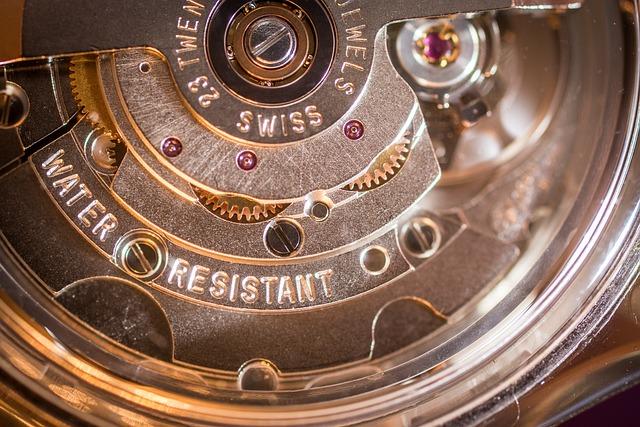
Contrary to popular belief, automatic watches are not immune to the passage of time. They are meticulously crafted with thousands of tiny components that work together to ensure accurate timekeeping. At the heart of these watches lies the oscillating weight, or rotor, which is powered by the natural movements of the wearer’s wrist. This rotating weight transfers energy to the mainspring, storing it to power the watch’s movement.
Over time, however, the constant winding and unwinding of the mainspring can take its toll on the delicate components of an automatic watch. Friction and wear occur as the gears, jewels, and pivots interact, causing potential issues in accuracy and overall performance. As such, it is crucial to properly service and maintain these timepieces to ensure their longevity.
Regular maintenance, such as cleaning, lubrication, and regulation, is essential for automatic watches to continue functioning optimally. These tasks should be entrusted to skilled watchmakers who possess the expertise and tools necessary to handle the intricate mechanisms of these timepieces. By servicing your automatic watch periodically, you can prevent excessive wear and extend its lifespan.
In conclusion, while automatic watches may not last forever, with proper care and maintenance, they can stand the test of time. Understanding the intricate mechanisms behind their function and the potential wear they can experience over time is key to ensuring their longevity. By debunking the myth that automatic watches are impervious to wear and tear, we can appreciate and preserve these remarkable timekeeping devices for generations to come.
The Myth of Timelessness: Exploring the Factors that Affect the Longevity of Automatic Watches
The Factors that Affect the Longevity of Automatic Watches
Automatic watches have long been associated with timeless elegance and precision engineering. Many watch enthusiasts often wonder if these mesmerizing timepieces can truly last forever. Today, we debunk the myth of timelessness and explore the factors that affect the longevity of automatic watches.
1. Movement Quality
One of the most crucial factors influencing the lifespan of an automatic watch is the quality of its movement. A high-quality mechanical movement, with superior materials and meticulous craftsmanship, can undoubtedly increase the watch’s durability and ensure it stands the test of time. Look out for renowned watchmakers who have a reputation for producing exceptional movements.
2. Regular Servicing
Just like any complex machinery, regular servicing is essential to keep automatic watches running smoothly. It is recommended to have your watch serviced by a professional every three to five years. During servicing, the watchmaker will clean, lubricate, and make any necessary adjustments to ensure optimal performance. Neglecting regular servicing can lead to a decline in accuracy and even potential damage to the watch.
3. Wear and Tear
While automatic watches are built to withstand daily wear, it’s important to understand that they are not immune to the effects of time. Over the years, external factors such as impact, moisture, and exposure to extreme temperatures can take a toll on the watch. To extend its lifespan, consider practicing good watch care habits, such as avoiding unnecessary shocks and protecting your timepiece from water damage.
4. Movement Type
There are different types of automatic movements, each with its own unique characteristics and levels of durability. For example, manual-wind movements require regular winding, which can reduce the strain on the automatic rotor mechanism. On the other hand, automatic movements with a power reserve function can help prevent overwinding, thus ensuring the longevity of the watch. When choosing an automatic watch, consider your lifestyle and preferences to find the movement type that suits you best.

Dispelling the Forever Myth: The Lifespan Limitations of Automatic Watches
Automatic watches have long been associated with durability and timeless elegance. However, there is a prevailing myth that these watches can last forever, unaffected by the passage of time. In reality, automatic watches do have certain lifespan limitations that every watch enthusiast should be aware of.
First and foremost, it’s important to understand that automatic watches are mechanical devices, composed of intricate moving parts. While they are crafted with precision and meticulous attention to detail, these components may eventually wear down over time. The lifespan of an automatic watch largely depends on the quality of its construction, the maintenance it receives, and the frequency of use.
Regular servicing is crucial to ensure the longevity of an automatic watch. Due to the complex nature of its movements, an automatic watch requires periodic maintenance by a professional watchmaker. This includes cleaning, lubrication, and regulation of its mechanisms. Neglecting regular servicing not only decreases the watch’s accuracy but also increases the risk of more severe damage that may be irreversible.
Another important factor to consider is the frequency of use. Automatic watches rely on the motion of the wearer’s wrist to wind the mainspring, which powers the timekeeping mechanism. If a watch is left idle for extended periods, the lack of wrist movement can cause the watch to stop running. Therefore, it is recommended to regularly wear and wind the watch, or use a watch winder to keep it in motion when not in use.
In conclusion, while automatic watches are crafted to withstand the test of time, they are not immune to the effects of aging and wear. To ensure the longevity of an automatic watch, proper maintenance and regular use are essential. By understanding the reality behind the forever myth, watch enthusiasts can make informed decisions in caring for their prized timepieces.
The Role of Individual Usage: How Your Actions Can Influence the Lifespan of Your Automatic Watch
Automatic watches are often touted as timeless timepieces, built to last for generations. But do they really last forever? Let’s debunk the myth and explore the reality of the lifespan of an automatic watch. While these mechanical marvels are designed to be durable and long-lasting, their longevity is greatly influenced by the way they are used and maintained by their owners.
1. Regular Wearing: An automatic watch is meant to be worn regularly. This keeps the movement and parts lubricated, preventing them from drying out and reducing wear and tear. Like any mechanical device, lack of use can lead to problems over time.
2. Maintenance: Regular maintenance is crucial to ensure the longevity of your automatic watch. This includes periodic servicing by a competent watchmaker who will clean, oil, and regulate the movement. Neglecting maintenance can result in diminished accuracy, reduced power reserve, or even complete failure.
3. Avoiding Extreme Conditions: Your automatic watch is not invincible to extreme temperatures, shocks, or magnetic fields. Exposure to extreme heat or cold can affect the lubricants and cause damage, while shocks and magnets can disrupt the delicate balance of the movement. Be mindful of these conditions to preserve the integrity of your timepiece.
4. Proper Storage: When not in use, it’s essential to store your automatic watch properly. Keep it in a watch box or pouch to protect it from dust, moisture, and potential scratches. Avoid placing it near strong magnetic sources or in direct sunlight to prevent any potential damage.
Remember, while automatic watches are built to withstand the test of time, their lifespan is ultimately a result of your actions. By wearing it regularly, getting it serviced, avoiding extreme conditions, and storing it correctly, you can extend the longevity of your automatic watch and ensure it remains a reliable companion for years to come.
Extended Power Reserve: Understanding the Impact on the Durability of Automatic Watches
Automatic watches have long fascinated watch enthusiasts for their mechanical intricacy and timeless appeal. However, a common concern among potential buyers is the longevity of these timepieces. Some mythological notions propagate the idea that automatic watches last forever, while others claim they require constant maintenance to keep running smoothly. In reality, the extendable power reserve of an automatic watch plays a significant role in its overall durability.
An extended power reserve refers to the duration for which an automatic watch can operate without being wound or worn. Most traditional automatic watches have a power reserve of around 40-48 hours, meaning they can continue ticking for two days without any external assistance. However, advancements in watchmaking have led to the creation of timepieces with power reserves ranging from 72 hours to an astonishing two weeks!
So, how does an extended power reserve impact the durability of automatic watches? Let’s delve into the details:
- Reduced Wear and Tear: With a longer power reserve, automatic watches require less frequent winding or wearing, reducing the wear and tear on their delicate and intricate mechanisms. This translates to a longer lifespan for the watch as it experiences less stress and friction over time.
- Improved Accuracy: Automatic watches, just like any mechanical timepiece, rely on precision to keep accurate time. A longer power reserve ensures that the watch is consistently running at full power, maintaining its accuracy. Conversely, when the power reserve is low, the accuracy can be compromised, leading to noticeable time deviations.
- Convenience and Flexibility: Watches with extended power reserves offer the convenience of not having to wind the timepiece frequently. This means you can safely keep your watch stored for a few days without worrying about it stopping. Additionally, if you have a collection of automatic watches, those with longer power reserves can be rotated less frequently, giving you flexibility in wearing different timepieces.
In conclusion, the myth that automatic watches last forever may not hold true, but a watch with an extended power reserve certainly offers enhanced durability. It reduces wear and tear, improves accuracy, and provides convenience and flexibility to the wearer. So, when considering an automatic watch, it’s worth considering the power reserve as a factor in its long-term durability.
Key Takeaways
In conclusion, it’s time to debunk the myth surrounding the longevity of automatic watches. While automatic watches are indeed built to stand the test of time, the idea that they last forever is simply a myth. Like any mechanical device, automatic watches require regular maintenance to ensure their optimal performance.
Key Takeaways:
1. Automatic watches are designed with precision and craftsmanship, making them durable and long-lasting.
2. Contrary to popular belief, automatic watches are not immune to wear and tear. They need periodic servicing to maintain their functionality.
3. Regular maintenance, such as cleaning, oiling, and regulating, is vital to prolong the lifespan of your automatic watch.
4. Taking your watch to a skilled watchmaker or service center is crucial to ensure proper maintenance and prevent further damage.
5. Timely repairs and replacing worn-out parts can significantly extend the life of your automatic watch.
6. Ultimately, while automatic watches may not last forever, with proper care and maintenance, they can remain in excellent condition for generations.
So, while the idea of owning a watch that transcends time might be appealing, it’s important to acknowledge that no timepiece can truly last forever without proper attention. With knowledge and care, you can enjoy the beauty and functionality of your automatic watch for many years to come.
Get our latest guides, news, and insights highlighted in your Google Search & AI Overviews.