Do You Have to Wind an Automatic Watch? Expert Advice
Welcome to the fascinating world of automatic watches! If you’re a watch enthusiast or just embarking on your horological journey, you might find yourself pondering an intriguing question: Do you have to wind an automatic watch? With our expert advice, we will unravel the secrets of these timekeeping companions and provide you with all the knowledge you need. Prepare to be amazed as we delve into the inner workings of these mechanical marvels, ensuring you can confidently wear your automatic watch without any winding worries! So, grab a cup of coffee and join us as we dive into this informative exploration.
Contents
- Do You Have to Wind an Automatic Watch?
- The Mechanics Behind Automatic Watches
- Understanding the Power Reserve of an Automatic Watch
- Why Regular Winding Is Beneficial for Your Automatic Watch
- Factors That Affect the Need to Wind an Automatic Watch
- Determining the Ideal Winding Routine for Your Automatic Watch
- Avoid Overwinding: Tips and Best Practices for Automatic Watches
- When to Seek Professional Help for Your Automatic Watch
- Ensuring Longevity: Proper Maintenance of an Automatic Watch
- Wrapping Up
Do You Have to Wind an Automatic Watch?
Automatic watches are a marvel of engineering and craftsmanship. They are designed to harness the natural motion of your wrist to power the watch’s movement, eliminating the need for a battery. One common question that many watch enthusiasts have is whether you need to manually wind an automatic watch.
The answer is both yes and no. While automatic watches are self-winding, they do require a certain amount of manual winding to keep them running accurately and efficiently. This is particularly important if you haven’t worn the watch for a while or if you have a watch with a power reserve indicator that is showing a low level.
To wind an automatic watch, simply turn the crown clockwise in its normal position until you feel some resistance. Be careful not to overwind the watch, as this can cause damage to the mechanism. It is generally recommended to wind the watch about 30 to 40 times every day or so to ensure optimal performance.
In addition to manual winding, another way to keep your automatic watch powered is through regular wear. The natural motion of your wrist as you go about your day will keep the watch ticking. If you wear the watch continuously, it will stay wound and ready to go. However, if you don’t wear your watch every day, it’s a good idea to manually wind it to ensure it’s fully powered when you do want to wear it.
Ultimately, while automatic watches are designed to be low-maintenance and convenient, they still require a certain level of care to keep them running smoothly. By occasionally manually winding your watch and wearing it regularly, you can ensure it stays accurate and reliable for years to come.

The Mechanics Behind Automatic Watches
Automatic watches have long fascinated horology enthusiasts with their intricate mechanisms and timeless craftsmanship. But one question that often arises is whether these watches need to be manually wound. The answer? It depends.
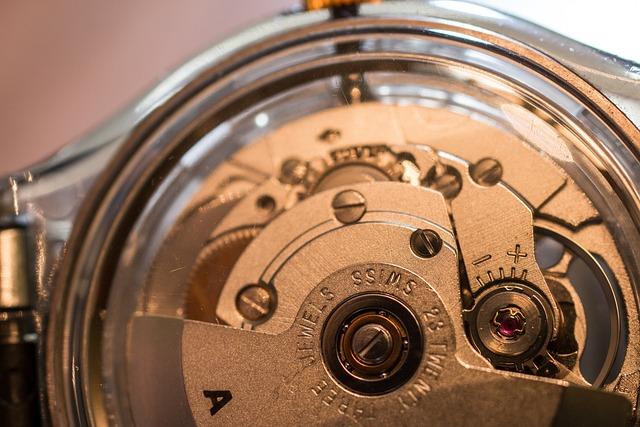
Unlike their quartz counterparts, which rely on batteries to power their movements, automatic watches harness the natural motion of the wearer’s wrist to keep ticking. Inside these timepieces lies a small, self-winding mechanism comprised of a rotor, gears, and springs. As you move your arm throughout the day, the rotor spins, transferring energy to the mainspring and keeping it wound.
So, do you ever have to manually wind an automatic watch? In most cases, the answer is no. Automatic watches are designed to recharge themselves with the motion of your wrist, ensuring they continue to keep accurate time. However, there are certain instances when manual winding may be necessary or beneficial:
Power Reserve: If you haven’t worn your automatic watch for an extended period, it may have depleted its power reserve. In such cases, a few manual winds can jumpstart the movement and ensure it runs smoothly throughout the day.
Initial Setup: When you first purchase an automatic watch, it is advisable to manually wind it 20-30 times to fully charge the mainspring and set the time accurately.
- Aesthetic Pleasure: Some watch connoisseurs enjoy the tactile experience of manually winding their timepiece. It allows them to connect with the watch’s craftsmanship and appreciate the intricacies of its mechanical movement.
Overall, the beauty of automatic watches lies in their self-winding mechanism, designed to seamlessly blend functionality and style. While manual winding can occasionally be necessary or a personal preference, most automatic watches are perfectly suited to keep time effortlessly with the rhythm of your wrist. So, sit back, wear your automatic watch with pride, and let the mechanics do their magic.
Understanding the Power Reserve of an Automatic Watch
An automatic watch is a marvel of engineering, utilizing the natural movements of the wearer to power its mechanism. But have you ever wondered what happens when you take off your watch and leave it untouched for a while? That’s where the power reserve comes into play. is essential for every watch enthusiast to ensure optimal performance and longevity.
The power reserve refers to the amount of time an automatic watch can run without being wound or worn. It is essentially the stored energy within the watch’s mainspring. When fully wound, the mainspring tightens up and stores energy, which is released gradually to power the watch’s movement. This allows the watch to continue functioning even when not in use.
Different automatic watches have varying power reserves, typically ranging from 36 to 72 hours. The power reserve can often be found on the watch’s dial or case back, indicating how long it can run when fully wound. However, it’s important to note that the actual power reserve may be slightly less than the stated duration due to slight variations in movements and other factors.
To ensure your automatic watch maintains its power reserve and keeps accurate time, it’s recommended to wind it regularly. While automatic watches are designed to be self-winding through the movement of your wrist, winding them manually helps maintain optimal power levels. Simply rotating the crown clockwise for about 30 to 40 turns is usually sufficient to fully wind the watch.
Remember, when winding your automatic watch, apply gentle and consistent pressure on the crown to avoid any damage. Overwinding an automatic watch is highly unlikely as most modern watches have mechanisms to disengage the winding process when the mainspring is fully wound. Nonetheless, it’s always advisable to handle your watch with care.
is crucial for watch enthusiasts to ensure the watch’s functionality and longevity. With regular winding and proper care, you can enjoy accurate timekeeping and the timeless beauty of automatic watches for years to come.
Why Regular Winding Is Beneficial for Your Automatic Watch
Regular winding is not only beneficial but also essential for your automatic watch. By winding your watch regularly, you ensure that the watch stays accurate and functions as it should. Here are some reasons why regular winding is important for your automatic watch:
Maintains Power Reserve: Automatic watches have a power reserve, which determines how long the watch can run without being wound. By winding your watch regularly, you keep the power reserve at its optimal level, ensuring that the watch keeps ticking smoothly.
Prevents Lubrication Issues: The movement of an automatic watch relies on the intricate interplay of gears and springs that are lubricated for smooth operation. Regular winding helps to distribute the lubrication evenly throughout the movement, preventing any potential issues caused by dryness or excessive wear.
Keeps the Watch Clean: Winding your automatic watch regularly also helps to prevent dust and debris from settling in the movement. The winding action shakes off any particles that might have accumulated, keeping the watch clean and free from potential damage.
- Enhances Longevity: Like any mechanical device, regular use and maintenance contribute to the longevity of your automatic watch. By winding your watch regularly, you keep all the components in good working order and reduce the chances of any parts deteriorating over time.
Remember, each automatic watch may have different winding requirements, so it’s important to refer to your watch’s user manual for specific instructions. But as a general rule, winding your watch at least once a day should be sufficient to keep it running smoothly. Embrace the ritual of winding your automatic watch and enjoy the beauty and craftsmanship it represents.
Factors That Affect the Need to Wind an Automatic Watch
When it comes to automatic watches, one of the most common questions that watch enthusiasts have is whether or not they need to manually wind the timepiece. The answer? It depends. There are several factors that can affect the need to wind an automatic watch, and understanding these factors can help you make an informed decision.
1. Activity Level
The activity level of the wearer can greatly impact the need to wind an automatic watch. If you lead an active lifestyle that involves constant movement and wrist motion, the watch’s rotor will naturally generate enough kinetic energy to keep the watch running smoothly. On the other hand, if you have a more sedentary lifestyle, you might need to manually wind the watch occasionally to keep it fully powered.
2. Power Reserve
Each automatic watch has a power reserve, which refers to the amount of time the watch can run without additional winding. This can vary from watch to watch, typically ranging from 24 to 72 hours. If your automatic watch has a longer power reserve, you may not need to wind it as frequently. However, if the power reserve is shorter, winding the watch more regularly will help ensure it keeps accurate time.
3. Complications and Features
Some automatic watches come with additional complications and features, such as chronographs, moon phase indicators, or perpetual calendars. These additional functions often put more strain on the watch’s movement, leading to increased energy consumption. If your automatic watch has multiple complications, it may require more frequent manual winding to maintain optimal performance.
In conclusion, the necessity of manually winding an automatic watch depends on various factors, including your activity level, the watch’s power reserve, and any additional complications or features. By understanding these factors, you can better gauge when it’s time to give your beloved timepiece a little extra attention to keep it running smoothly.

Determining the Ideal Winding Routine for Your Automatic Watch
When it comes to keeping your automatic watch running smoothly, winding is essential. While these timepieces are designed to wind themselves through the natural movement of your wrist, there are times when manually winding is necessary. But how do you determine the ideal winding routine for your automatic watch? Our experts are here to provide some valuable advice.
1. Understand your watch’s power reserve: Each automatic watch has a power reserve, which indicates how long it can run without being worn or wound. This can range from around 24 to 48 hours or more. Knowing your watch’s power reserve is crucial in determining its winding routine. If you wear your watch daily, it may not require manual winding. However, if you don’t wear it regularly, winding it once every couple of days can ensure that it stays accurate and reliable.
2. Consider your lifestyle: Your daily activities can affect your watch’s winding needs. For individuals with sedentary lifestyles, their automatic watches may not receive enough wrist movement to keep them fully powered. In such cases, winding your watch for a few minutes each day can maintain its accuracy. On the other hand, if you lead an active lifestyle with plenty of wrist movement, manual winding might not be necessary as the watch will self-wind sufficiently.
3. Find the balance: Too much winding or excessive manual winding can be harmful to the watch’s mechanism. Overwinding can put stress on the mainspring and result in potential damage. It’s important to strike a balance between wearing the watch regularly and winding it as needed. Regularly checking the power reserve and winding accordingly will help you maintain that balance and prolong the lifespan of your automatic watch.
In conclusion, requires understanding its power reserve, considering your lifestyle, and finding the right balance between wearing and winding. By following these expert tips, you can ensure that your watch performs at its best, providing accurate timekeeping and lasting durability for years to come. Remember, a well-wound watch is a watch that keeps perfect time!
Avoid Overwinding: Tips and Best Practices for Automatic Watches
Automatic watches are an excellent choice for those who appreciate the craftsmanship and intricacy of timepieces. Unlike their quartz counterparts, automatic watches do not require a battery and instead rely on the natural motion of the wearer to power the movement. Although this self-winding mechanism is a convenient feature, it’s important to avoid overwinding to ensure the longevity and accuracy of your watch.
One of the first tips to keep in mind is to let your automatic watch wind itself. By simply wearing the watch regularly, the natural movement of your wrist will wind the mainspring, keeping the watch fully powered. Remember, you don’t need to manually wind an automatic watch unless it has completely stopped or if you haven’t worn it for an extended period.
To avoid overwinding, it’s crucial to handle your automatic watch with care. Overwinding can occur when you repeatedly try to wind the watch past its maximum capacity. To prevent this, pay attention to the tension while winding and stop once you feel resistance or hear the clicking sound. Most automatic watches have a power reserve indicator or a feature that prevents overwinding, so consult your watch’s manual to familiarize yourself with these indicators.
Additionally, consider investing in a watch winder. A watch winder is a device that gently rotates your automatic watch when you’re not wearing it. This ensures that the mainspring remains wound and the watch stays accurate, preventing the need for manual winding and reducing the risk of overwinding. When using a watch winder, it’s essential to follow the manufacturer’s instructions and choose a rotation setting suitable for your particular watch model.
| Best Practices for Automatic Watches |
|---|
| Regularly wear your automatic watch to let it wind itself. |
| Pay attention to tension while winding and stop once you feel resistance. |
| Consult your watch’s manual to understand power reserve indicators. |
| Consider using a watch winder to maintain accuracy and prevent overwinding. |
By following these tips and best practices, you can ensure the optimal performance and longevity of your automatic watch. Remember, a well-maintained automatic watch can be a true heirloom piece that brings joy and reliability for generations to come.

When to Seek Professional Help for Your Automatic Watch
If you are a proud owner of an automatic watch, then you understand the charm and precision of these timepieces. However, even the most well-built automatic watches require professional maintenance from time to time. Here are some situations when seeking professional help becomes necessary:
- If your automatic watch is losing or gaining time significantly, it might be due to movement issues that need expert attention.
- When your watch has stopped running completely, despite wearing it regularly, it could indicate a problem with the mainspring or other internal components.
- Visible damage or signs of wear and tear, such as scratches on the crystal or a loose crown, should prompt you to visit a professional watchmaker.
- Water resistance issues are common among automatic watches. If you notice condensation under the crystal or suspect a compromised seal, it is advisable to seek professional assistance.
Maintaining an automatic watch properly is essential for its longevity and accurate timekeeping. While watch enthusiasts with advanced DIY skills might attempt certain repairs at home, it is usually best to leave the intricate work to professionals. Expert watchmakers have the specialized tools, knowledge, and experience to diagnose problems and perform necessary repairs without causing further damage.
Ensuring Longevity: Proper Maintenance of an Automatic Watch
One of the key elements in ensuring the longevity of an automatic watch is proper maintenance. While automatic watches are known for their self-winding ability, there are still a few steps you should take to ensure that your timepiece remains in optimal condition.
Firstly, it is important to understand that although automatic watches are self-winding, they still require regular wear to keep the movement functioning correctly. When a watch is not worn regularly, the lubricants inside the movement can dry out, leading to potential damage. So, make it a habit to wear your automatic watch consistently to keep the mechanism running smoothly.
Secondly, occasional winding is necessary to keep an automatic watch accurate. While the watch may wind itself as you move throughout the day, it is recommended to manually wind your watch every couple of weeks to ensure the power reserve stays at its maximum capacity. This can be done by gently rotating the crown clockwise for about 20 to 30 turns.
Additionally, it is crucial to keep your automatic watch away from strong magnetic fields and extreme temperature variations. Magnetic fields can disrupt the movement and result in inaccurate timekeeping, while extreme temperatures can cause the lubricants to expand or contract, affecting the watch’s performance. Therefore, it is advisable to store your watch in a watch box or case when not in use and to avoid exposing it to magnets or extreme temperature conditions.
Lastly, regular servicing is essential for the long-term durability of your automatic watch. It is recommended to have your watch serviced by a professional every three to five years. During a servicing, the watchmaker will inspect the movement, clean any dirt or dust, replace worn-out parts, and lubricate the necessary components. By adhering to this maintenance routine, you can ensure that your automatic watch continues to run smoothly and accurately for years to come.
To summarize, while automatic watches are designed to self-wind, they still require regular wear and occasional manual winding to ensure optimal performance. Additionally, protecting your watch from magnetic fields and extreme temperature variations, as well as scheduling regular servicing, are crucial steps in maintaining its longevity. By following these guidelines, you can enjoy the reliability and precision of your automatic watch for many years.
Wrapping Up
In conclusion, winding an automatic watch is not always necessary, but it can still be beneficial. The self-winding mechanism ensures that the watch is always powered, as long as it is being worn or kept in motion. However, if you plan to store your automatic timepiece for an extended period, manual winding is recommended to keep the movement running smoothly.
Remember, each watch has its own power reserve and will stop ticking if left unused for a certain period. To avoid this, it is essential to wear or wind your automatic watch regularly. Additionally, by understanding the proper winding techniques and schedules, you can extend the longevity and accuracy of your prized timepiece.
Keep in mind that modern automatic watches are designed to be low-maintenance and convenient, allowing you to effortlessly enjoy their timeless elegance. So, whether you choose to manually wind your watch or let its self-winding mechanism do the job for you, rest assured that your automatic watch will continue to keep accurate time for years to come.
In short, winding an automatic watch is a personal preference, but staying mindful of the power reserve and giving your watch a little attention will ensure it stays in prime working condition. So, grab your automatic companion, wear it with pride, and enjoy its reliable and stylish timekeeping.
Get our latest guides, news, and insights highlighted in your Google Search & AI Overviews.