Find Your Perfect Match: Automatic vs Kinetic Watch Comparisons
Choosing the right timepiece can be a daunting task, especially when faced with the decision between automatic and kinetic watches. Each has its own unique features and benefits, making the choice a personal one. In this article, we will delve into the differences between automatic and kinetic watches to help you find your perfect match. So, get ready to become an expert in the world of horology and choose the timepiece that suits your lifestyle and preferences.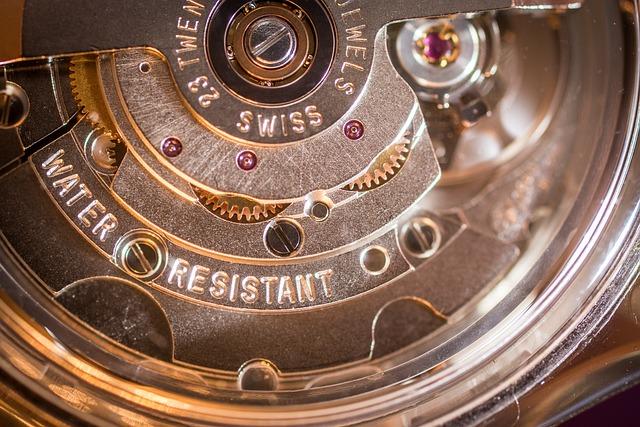
Contents
- Automatic Watches: A Timeless Classic for Watch Enthusiasts
- Kinetic Watches: The Cutting-Edge Choice for Modern Consumers
- Automatic Watches
- Kinetic Watches
- Accuracy and Precision: A Detailed Comparison Between Automatic and Kinetic Watches
- Durability and Maintenance: Which Type of Watch Requires Less Care?
- Power Reserve: Understanding the Difference Between Automatic and Kinetic Movements
- Style and Design: How to Choose Between Automatic and Kinetic Watches Based on Personal Taste
- Affordability: Comparing the Costs of Automatic and Kinetic Watches
- Environmental Impact: Which Watch Type is More Eco-Friendly?
- Recommendations: Choosing the Perfect Match Based on Your Lifestyle and Preferences
- Concluding Remarks
Automatic Watches: A Timeless Classic for Watch Enthusiasts
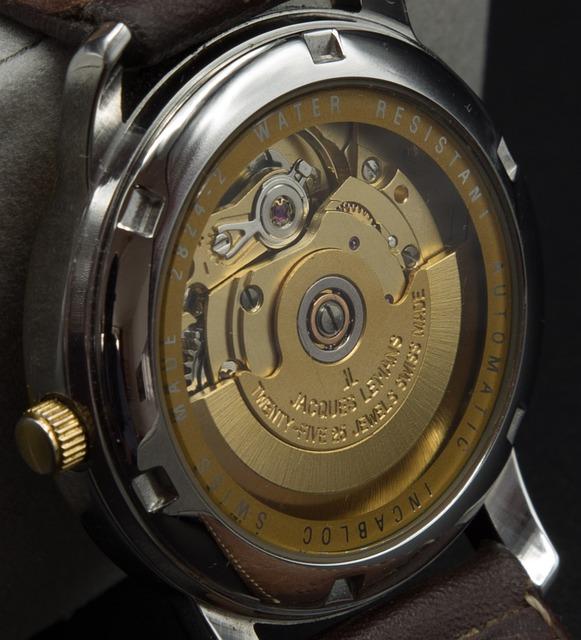
Automatic watches have been a staple in the watch industry for decades, known for their craftsmanship, precision, and timeless appeal. The intricate mechanical movements within automatic watches have captivated watch enthusiasts around the world, making them a must-have for any serious collector.
<p>When comparing automatic watches to kinetic watches, there are several key differences to consider:</p>


<ul>

    <li>**Power Source:** Automatic watches are powered by the movement of the wearer's wrist, while kinetic watches are powered by the movement of a rotor inside the watch.</li>

    <li>**Accuracy:** Automatic watches are known for their precision timekeeping, while kinetic watches may require periodic adjustments to maintain accuracy.</li>

    <li>**Maintenance:** Automatic watches typically require less maintenance than kinetic watches, as they do not rely on a battery.</li>

</ul>


<p>Whether you prefer the classic appeal of an automatic watch or the modern technology of a kinetic watch, finding your perfect match ultimately comes down to personal preference and lifestyle. Whichever you choose, both automatic and kinetic watches offer a unique and stylish way to keep track of time.</p>
Kinetic Watches: The Cutting-Edge Choice for Modern Consumers
When it comes to choosing the perfect watch, modern consumers are looking for technology that matches their lifestyle. Kinetic watches offer a cutting-edge choice that combines the best of both automatic and quartz movements. Below, we will compare automatic and kinetic watches to help you find your perfect match.
Automatic Watches
- Powered by the movement of the wearer’s arm
- Require regular winding to maintain accuracy
- Known for their craftsmanship and traditional appeal
Kinetic Watches
- Use a rotor that converts motion into energy, storing it in a rechargeable battery
- Do not require winding, making them low maintenance
- Combine the precision of quartz movement with the self-sufficiency of automatic
Whether you prefer the classic charm of an automatic watch or the convenient functionality of a kinetic watch, both options offer a sophisticated choice for the modern consumer. Consider your lifestyle and preferences to find the perfect match for your wrist.

Accuracy and Precision: A Detailed Comparison Between Automatic and Kinetic Watches
When it comes to comparing automatic and kinetic watches, there are several key differences to consider. One of the main distinctions between the two types of watches is their power source. Automatic watches are powered by the natural motion of the wearer’s wrist, while kinetic watches are powered by the movement of the wearer’s body.
**Accuracy:**
- Automatic watches tend to be less accurate than kinetic watches, as they rely on the motion of the wrist to keep time.
- Kinetic watches, on the other hand, are known for their precision timekeeping, as they are powered by the movement of the wearer’s body.
**Precision:**
- Overall, kinetic watches are more precise than automatic watches due to their unique power source.
- Automatic watches may lose or gain a few seconds each day, while kinetic watches are designed to keep time more accurately.
| Feature | Automatic Watches | Kinetic Watches |
|---|---|---|
| Power Source | Wrist motion | Body movement |
| Accuracy | Less precise | More precise |
| Precision | May lose or gain seconds | Designed for accuracy |

Durability and Maintenance: Which Type of Watch Requires Less Care?
When it comes to durability and maintenance, both automatic and kinetic watches have their own strengths and weaknesses. Let’s break down which type of watch requires less care:
- Durability: Automatic watches are known for their craftsmanship and precision engineering, making them highly durable and long-lasting. Kinetic watches, on the other hand, are also robust but may be more prone to wear and tear over time.
- Maintenance: Automatic watches require regular winding or wearing to keep them running smoothly. Kinetic watches, on the other hand, are self-winding and only require movement to power up, making them low maintenance.
| Criteria | Winner |
|---|---|
| Durability | Automatic Watch |
| Maintenance | Kinetic Watch |
Ultimately, the choice between automatic and kinetic watches comes down to personal preference and lifestyle. If you prefer a watch that requires minimal care and maintenance, a kinetic watch may be the perfect match for you. On the other hand, if durability and craftsmanship are your top priorities, an automatic watch may be the way to go.

Power Reserve: Understanding the Difference Between Automatic and Kinetic Movements
When it comes to choosing a watch with a power reserve feature, it’s essential to understand the difference between automatic and kinetic movements. Both mechanisms are popular choices for watch enthusiasts, but they operate in slightly different ways.
Automatic watches rely on the movement of the wearer’s wrist to wind the mainspring and power the watch. This means that as long as you wear the watch regularly, it will stay fully wound and keep accurate time. On the other hand, kinetic watches use the movement of the wearer’s body to generate electricity, which is then stored in a rechargeable battery. This energy powers the watch, eliminating the need for manual winding.
Here are some key points to consider when comparing automatic and kinetic movements:
- Power Reserve: Automatic watches typically have a longer power reserve than kinetic watches.
- Maintenance: Kinetic watches may require more maintenance due to the rechargeable battery.
- Cost: Automatic watches are generally more expensive than kinetic watches due to their intricate mechanical components.
- Style: Both automatic and kinetic watches come in a variety of styles and designs to suit different preferences.

Style and Design: How to Choose Between Automatic and Kinetic Watches Based on Personal Taste
When it comes to choosing between automatic and kinetic watches, personal taste plays a crucial role. Both types of watches have their own unique features and benefits, so it’s important to consider what aligns best with your style and preferences. Here are some factors to consider when making your decision:
- Mechanism: Automatic watches are powered by the movement of the wearer’s wrist, while kinetic watches are powered by the motion of the wearer’s hand. Consider whether you prefer the traditional mechanical movement of an automatic watch or the modern technology of a kinetic watch.
- Accuracy: Automatic watches tend to be more accurate than kinetic watches, as they are not affected by the wearer’s movement. If precision is important to you, you may want to opt for an automatic watch.
- Maintenance: Automatic watches require regular winding to keep them running, while kinetic watches are self-winding. Think about whether you prefer the convenience of a self-winding watch or don’t mind taking the time to wind your watch.
To help you make an informed decision, here is a comparison between automatic and kinetic watches:
| Feature | Automatic Watch | Kinetic Watch |
|---|---|---|
| Mechanism | Powered by wrist movement | Powered by hand motion |
| Accuracy | More accurate | Less accurate |
| Maintenance | Requires regular winding | Self-winding |
Ultimately, the choice between an automatic and kinetic watch comes down to your personal preferences and lifestyle. Whether you value tradition, precision, or convenience, there is a perfect match out there for you. Take your time to explore the options and find the watch that speaks to you.

Affordability: Comparing the Costs of Automatic and Kinetic Watches
Cost Comparison:
When it comes to deciding between an automatic or kinetic watch, one of the main factors to consider is affordability. Automatic watches are known for their intricate craftsmanship and luxury appeal, which often comes with a higher price tag. On the other hand, kinetic watches offer a more budget-friendly option without compromising on quality.
Automatic Watches:
- High-end craftsmanship
- Expensive maintenance costs
- Prestigious status symbol
Kinetic Watches:
- Quartz movement with self-winding capability
- No batteries required
- More affordable pricing
| Feature | Automatic Watch | Kinetic Watch |
|---|---|---|
| Price Range | $$ – $$$$ | $ – $$ |
| Maintenance | Expensive | Affordable |
| Power Source | Movements of the wrist | Self-winding quartz movement |

Environmental Impact: Which Watch Type is More Eco-Friendly?
When it comes to choosing a watch that is eco-friendly, there are two main contenders that often come up in discussions: automatic and kinetic watches. Both types of watches have their own advantages and disadvantages when it comes to environmental impact, so it’s important to weigh the options carefully before making a decision.
One key factor to consider is the power source of each type of watch. **Automatic watches** are powered by the natural motion of the wearer’s arm, while **kinetic watches** are powered by the movement of the wearer’s wrist. This means that both types of watches are energy-efficient and do not rely on disposable batteries, which can be harmful to the environment.
On the other hand, automatic watches require regular servicing and maintenance to keep them running smoothly, which can generate waste and have a negative impact on the environment. In contrast, kinetic watches are typically more durable and require less maintenance, making them a more sustainable option in the long run.
Overall, both automatic and kinetic watches have their own environmental pros and cons. If you are looking for a watch that is energy-efficient and sustainable, either option could be a good choice. Ultimately, the best watch for you will depend on your personal preferences and lifestyle.

Recommendations: Choosing the Perfect Match Based on Your Lifestyle and Preferences
When it comes to choosing the perfect watch for your lifestyle and preferences, there are two main types to consider: automatic and kinetic watches. Both have their own unique characteristics that cater to different needs and styles.
Automatic watches are powered by the movement of your wrist, making them ideal for individuals who are constantly on the go or have an active lifestyle. These watches do not require a battery and are self-winding, which means they will continue to function as long as you wear them regularly. They are also known for their intricate mechanics and craftsmanship, making them a popular choice among watch enthusiasts.
Kinetic watches, on the other hand, are powered by the movement of your body. They are similar to automatic watches in that they do not require a battery, but instead of relying on the movement of your wrist, they harness the energy generated by your natural movements throughout the day. This makes them a great option for those who want a low-maintenance watch that will keep accurate time without needing frequent winding or adjustments.
| Automatic Watches | Kinetic Watches |
| Powered by the movement of your wrist | Powered by the movement of your body |
| Self-winding | Utilizes energy generated by natural movements |
| Ideal for active lifestyles | Low-maintenance option |
Concluding Remarks
In conclusion, when it comes to choosing between an automatic and a kinetic watch, it ultimately comes down to personal preference and lifestyle. Automatic watches offer the classic appeal of traditional watchmaking, while kinetic watches provide the convenience of never needing a battery replacement. Consider factors such as maintenance, accuracy, and power reserve when making your decision. Whichever type of watch you choose, rest assured that both options offer reliable timekeeping and stylish design. Find the perfect match for you and enjoy your timepiece for years to come.
Get our latest guides, news, and insights highlighted in your Google Search & AI Overviews.