Find Your Perfect Match: Automatic vs Winding Watch Comparisons
Are you in the market for a new timepiece but can’t decide between an automatic or a winding watch? Look no further! In this article, we’ll break down the key differences between these two popular watch types to help you find your perfect match. Whether you’re a horology enthusiast or a casual watch wearer, understanding the pros and cons of both options will make your decision easier. So sit back, relax, and let’s dive into the world of automatic vs winding watches.
Contents
- Automatic Watch Technology Explained
- Pros and Cons of Automatic Watches
- Benefits of Winding Watches
- Comparing Accuracy: Automatic vs Winding
- Style and Design: Which is Right for You?
- Maintenance and Longevity Considerations
- Choosing the Perfect Match for Your Lifestyle
- Cost Comparison: Automatic vs Winding Watches
- Automatic Watches
- Winding Watches
- Expert Recommendations for Your Next Purchase
- The Way Forward
Automatic Watch Technology Explained
When it comes to choosing between an automatic and winding watch, it all boils down to personal preference. Both types of watches have their own unique features and benefits that cater to different needs and preferences.
Related: Effortless Style: Automatic vs Hand Winding Watch Comparisons
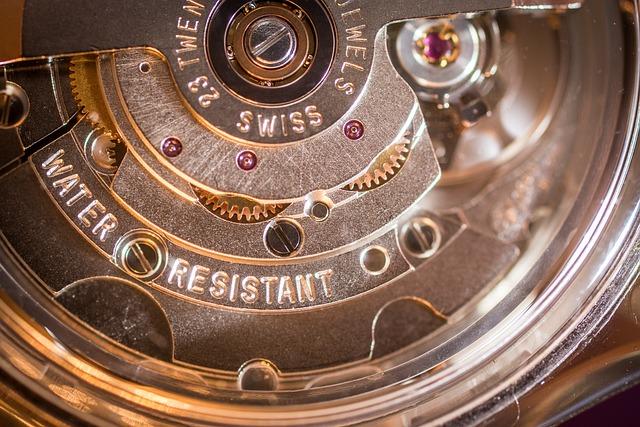
Automatic watches, also known as self-winding watches, are powered by the natural motion of the wearer’s wrist. They feature a rotor that winds the mainspring, eliminating the need for manual winding. This makes automatic watches convenient for those who don’t want to worry about constantly winding their watch.
On the other hand, winding watches require manual winding either daily or every few days to keep them running. While this may be seen as a drawback for some, winding watches offer a more traditional and classic appeal that appeals to watch enthusiasts.
Whether you prefer the convenience of an automatic watch or the classic charm of a winding watch, both options offer quality craftsmanship and precision timekeeping. Ultimately, the choice between the two comes down to your personal lifestyle and preferences.

Pros and Cons of Automatic Watches
Automatic watches have been a timeless choice for watch enthusiasts, offering both convenience and craftsmanship. However, like any timepiece, there are pros and cons to consider before making your purchase.
- Pros:
- Convenience: Automatic watches do not require manual winding, making them perfect for daily wear.
- Craftsmanship: The intricate mechanics of an automatic watch are a work of art, showcasing the skill and precision of the watchmaker.
- No battery: Unlike quartz watches, automatic watches do not require a battery, decreasing the need for frequent replacements.
- Smooth movement: The sweeping second hand of an automatic watch provides a smooth and continuous motion, adding a touch of elegance to your wrist.
- Cons:
- Accuracy: Automatic watches may lose or gain time over periods, requiring occasional adjustments to keep precise time.
- Cost: Automatic watches tend to be more expensive than quartz watches due to the intricate mechanics and craftsmanship involved.
- Maintenance: Automatic watches require regular service to ensure optimal performance and longevity, adding to the cost over time.
- Power reserve: If not worn regularly, automatic watches may lose their power reserve, requiring manual winding to restart the movement.

Benefits of Winding Watches
When it comes to choosing a watch, many people are faced with the decision between automatic and winding watches. While both options have their own unique set of benefits, winding watches offer some distinct advantages that make them a popular choice among watch enthusiasts.
One of the main is their reliability. Unlike automatic watches that rely on the motion of the wearer’s wrist to keep them running, winding watches need to be manually wound on a regular basis. This ensures that the watch is always running at its optimal level, without the risk of it stopping unexpectedly.
Another advantage of winding watches is their longevity. Because they do not contain the intricate mechanisms found in automatic watches, winding watches are generally more durable and less prone to wear and tear. This means that they can last for many years with proper care and maintenance.
Additionally, winding watches offer a sense of tradition and craftsmanship that is hard to replicate with automatic watches. The process of manually winding a watch can be seen as a ritualistic act that connects the wearer to the history and artistry of watchmaking.

Comparing Accuracy: Automatic vs Winding
In the world of watches, there are two main types of movements that power them: automatic and manual winding. Each type has its own unique characteristics and benefits, but ultimately, the choice between the two comes down to personal preference and lifestyle.
Automatic Watches:
- Powered by the movement of the wearer’s arm
- No manual winding required
- Generally more accurate due to consistent winding
- Great for everyday wear and convenience
Winding Watches:
- Require manual winding to keep them running
- May lose accuracy if not wound regularly
- Can be a more traditional and hands-on experience
- Preferred by watch enthusiasts and collectors
When choosing between the two, consider your daily routine, how often you wear the watch, and whether you prefer a more low-maintenance or interactive experience. Both types of watches have their own charm and appeal, so it really comes down to what suits your lifestyle best.

Style and Design: Which is Right for You?
When it comes to choosing a watch, one of the most important decisions you’ll need to make is whether to go for an automatic or winding timepiece. Both options have their own unique features and benefits, so it’s essential to consider your personal style and preferences before making a decision.
Automatic watches are powered by the movement of your wrist, meaning they don’t require manual winding to keep ticking. This makes them a convenient option for those who are always on the go and don’t want to worry about winding their watch every day. On the other hand, winding watches need to be manually wound to keep them running, which some people prefer for the hands-on experience and connection to their timepiece.
For those who value tradition and craftsmanship, a winding watch may be the perfect match. These timepieces often have intricate designs and a classic appeal that can add a touch of elegance to any outfit. On the other hand, automatic watches are known for their precision and reliability, making them a popular choice for those who prioritize accuracy above all else.
| Feature | Automatic Watch | Winding Watch |
|---|---|---|
| Power Source | Wrist movement | Manual winding |
| Convenience | Requires no manual winding | Needs to be manually wound |
| Style | Sleek and modern | Classic and traditional |

Maintenance and Longevity Considerations
When it comes to for your watch, both automatic and winding watches have their pros and cons to consider.
One key factor to keep in mind is the frequency of wear. Automatic watches are powered by the movement of your wrist, so if you wear it regularly, you won’t need to worry about winding it. On the other hand, a winding watch will need to be wound manually on a regular basis, which can be seen as both a chore and a ritual for watch enthusiasts.
In terms of longevity, automatic watches tend to have more parts that can wear out over time compared to winding watches, which have a simpler movement. However, automatic watches are often seen as more prestigious and high-end, while winding watches can be seen as more classic and traditional.
Regardless of your preference, both types of watches can last a lifetime with proper care and maintenance. Regular maintenance, such as cleaning and servicing, can help ensure that your watch remains in top condition for years to come. Whether you choose an automatic or winding watch, finding the perfect match ultimately comes down to personal preference and the level of maintenance you are willing to commit to.
Choosing the Perfect Match for Your Lifestyle
When it comes to choosing the perfect watch for your lifestyle, there are two main options to consider: automatic and winding watches. Each type has its own unique features and benefits, so it’s important to understand the differences before making a decision.
Automatic Watches
Automatic watches are powered by the movement of your wrist, so they don’t require manual winding. This makes them convenient for everyday use, as you don’t have to worry about winding them every day. Automatic watches are also known for their smooth second hand motion and precise timekeeping.
- Convenient for everyday use
- Smooth second hand motion
- Precise timekeeping
Winding Watches
Winding watches, on the other hand, require manual winding to keep them running. While this may require a bit more effort on your part, winding watches are loved for their traditional charm and the ritualistic experience of winding them each day. Winding watches are also known for their high level of craftsmanship and attention to detail.
- Traditional charm
- Ritualistic winding experience
- High level of craftsmanship

Cost Comparison: Automatic vs Winding Watches
When it comes to choosing between an automatic and a winding watch, one factor that often comes into play is the cost. Let’s break down the cost comparison between these two types of timepieces to help you make an informed decision.
Automatic Watches
Automatic watches are known for their intricate mechanics and craftsmanship, which can drive up the cost compared to winding watches. The automatic movement involves a complex system of gears and springs that wind the watch as you move your wrist throughout the day. This intricate mechanism often results in a higher price tag.
Winding Watches
On the other hand, winding watches are typically more affordable than automatic watches due to their simpler mechanism. Winding watches require manual winding either daily or every few days to keep them running. This manual winding feature tends to make these watches more budget-friendly compared to their automatic counterparts.
| Feature | Automatic Watch | Winding Watch |
|---|---|---|
| Price Range | $$ - $$$$ | $ – $$ |
| Maintenance | Requires periodic servicing | Regular manual winding |
| Longevity | Durable and long-lasting | May need more frequent repairs |

Expert Recommendations for Your Next Purchase
When it comes to choosing between an automatic and a winding watch, there are a few key factors to consider. Automatic watches are powered by the movement of your wrist, while winding watches require manual winding to keep them ticking. Both types have their pros and cons, so it ultimately comes down to personal preference.
Here are some expert recommendations to help you make the right decision for your next purchase:
- Accuracy: Automatic watches tend to be more accurate in the long run, as they self-adjust to compensate for any time discrepancies. Winding watches may require more frequent adjustments to stay on time.
- Convenience: If you’re someone who wears a watch daily, an automatic watch may be more convenient, as it will stay powered as long as you wear it. Winding watches require regular winding to keep them running smoothly.
- Craftsmanship: Both automatic and winding watches can be designed with exquisite craftsmanship, but some enthusiasts argue that the intricate mechanics of an automatic watch make it a more impressive timepiece.
Ultimately, the choice between an automatic and a winding watch comes down to your lifestyle and preferences. Consider how you plan to wear and care for your watch, as well as your budget, before making your final decision.
The Way Forward
In conclusion, when deciding between an automatic and winding watch, it ultimately comes down to personal preference and lifestyle. Automatic watches offer the convenience of not needing to be manually wound, while winding watches can provide a sense of connection and tradition. Whichever you choose, both types of watches offer their own unique advantages and charms. So take your time, do your research, and choose the watch that best suits your needs and style. Happy watch hunting!
Get our latest guides, news, and insights highlighted in your Google Search & AI Overviews.