How Do Mechanical Watches Keep Time? The Mechanism Demystified
Have you ever wondered how mechanical watches are able to keep such precise time without the need for batteries or digital technology? In this article, we will delve into the intricate mechanisms behind these timeless timepieces and demystify the fascinating world of how mechanical watches keep time. Whether you’re a horology enthusiast or simply curious about the inner workings of these iconic accessories, get ready to unlock the secrets of mechanical timekeeping.
Contents
- How Mechanical Watches Utilize Escapement Mechanism to Regulate Time
- Understanding the Role of Balance Wheel in Maintaining Precision
- Exploring the Function of Mainspring in Powering the Watch
- Deciphering the Intricacies of Gear System for Timekeeping
- The Importance of Lubrication in Ensuring Smooth Operation
- Calibrating the Frequency of Mechanical Watches for Accuracy
- Comparing Manual-Winding and Automatic Mechanical Movements
- Addressing Common Issues with Mechanical Watches and Troubleshooting Tips
- Maintenance Tips for Prolonging the Lifespan of Your Mechanical Watch
- Closing Remarks
How Mechanical Watches Utilize Escapement Mechanism to Regulate Time
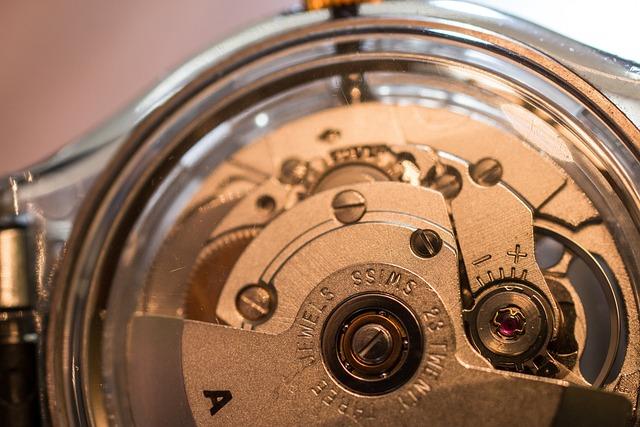
Mechanical watches utilize an intricate mechanism known as the escapement to regulate timekeeping. The escapement is essentially a control system that functions by allowing the gear train of the watch to advance in equal, controlled increments. This mechanism helps ensure that the watch maintains accurate timekeeping over extended periods.
The escapement consists of several key components, including the pallet fork, escape wheel, and balance wheel. The pallet fork acts as a gatekeeper, interacting with the escape wheel to release energy in controlled bursts. Meanwhile, the balance wheel oscillates back and forth at a precise rate, serving as the timekeeping regulator.
Related: How Does a Mechanical Watch Keep the Date? Essential Mechanism
As the balance wheel swings, it transfers energy through the gear train, allowing the hands of the watch to move in a consistent, measured manner. This intricate dance of mechanical parts is what enables a mechanical watch to keep time reliably and accurately. So, the next time you glance at your mechanical timepiece, remember that behind its timeless elegance lies a complex mechanism that has been perfected over centuries.

Understanding the Role of Balance Wheel in Maintaining Precision
When it comes to understanding how mechanical watches keep time, one essential component to explore is the balance wheel. This small, circular wheel is a crucial part of the watch movement, responsible for regulating the timekeeping accuracy of the timepiece.
The balance wheel oscillates back and forth at a precise rate, typically several times per second, creating a natural rhythm that helps to keep the watch running accurately. This oscillation is controlled by the hairspring, a fine spring that acts as a tiny spring-loaded pendulum, ensuring that the balance wheel maintains a consistent beat.
By adjusting the length of the hairspring or altering the weight of the balance wheel, watchmakers can fine-tune the rate at which the balance wheel oscillates, ultimately impacting the watch’s overall timekeeping accuracy. This delicate balancing act is crucial in maintaining the precision and reliability of a mechanical watch.

Exploring the Function of Mainspring in Powering the Watch
Have you ever wondered how mechanical watches keep time so accurately? One of the key components responsible for this precision is the mainspring. The mainspring is a vital part of a watch’s movement, acting as its primary source of energy. Without the mainspring, a mechanical watch would not be able to function.
The mainspring is a tightly wound coil of metal that stores energy when the watch is wound. As the mainspring gradually unwinds, it releases this stored energy in a controlled manner, powering the various components of the watch movement. This includes the escapement mechanism, which regulates the release of energy to the balance wheel, ultimately causing the watch hands to move at a consistent rate.
By understanding the function of the mainspring, we can gain a greater appreciation for the intricate mechanics that drive a mechanical watch. The mainspring’s role in powering the watch is crucial to maintaining accurate timekeeping and ensuring the smooth operation of the timepiece.

Deciphering the Intricacies of Gear System for Timekeeping
In a mechanical watch, the intricate gear system is the heart of its timekeeping mechanism. This system allows the watch to accurately measure time through a series of precise movements and interactions between gears. Let’s explore how this gear system works in detail:
– **Balance Wheel**: The balance wheel is a critical component of the gear system, regulating the timekeeping of the watch. It oscillates back and forth, ensuring the consistent movement of the gears.
– **Escapement Mechanism**: The escapement is another essential part of the gear system, controlling the release of energy from the mainspring. It acts as a brake, allowing the gears to move at a controlled rate.
– **Gears**: Gears within the watch work together to transmit energy from the mainspring to the balance wheel, regulating the movement of the watch hands. Each gear has a specific function in the overall timekeeping process.
Understanding the intricate workings of the gear system in a mechanical watch can provide a deeper appreciation for the craftsmanship and engineering that goes into each timepiece. Next time you glance at your wristwatch, you’ll have a better understanding of the complex interplay of gears that keep it ticking accurately.
The Importance of Lubrication in Ensuring Smooth Operation
Keeping time accurately in a mechanical watch involves a complex interplay of tiny gears, springs, and other components working together seamlessly. One crucial aspect of this intricate mechanism is .
By applying a thin layer of lubricant to the moving parts of a watch, friction is reduced, which in turn minimizes wear and tear on the components. This not only prolongs the lifespan of the watch but also helps maintain its accuracy over time.
Without proper lubrication, the gears in a mechanical watch can grind against each other, causing excessive friction and ultimately leading to a decrease in performance. This is why regular maintenance, including re-lubrication, is essential to keep a mechanical watch running smoothly.
So next time you marvel at the intricate inner workings of a mechanical watch, remember that the importance of lubrication cannot be overstated in ensuring its precise and smooth operation.

Calibrating the Frequency of Mechanical Watches for Accuracy
Mechanical watches are fascinating pieces of engineering that have been around for centuries. The intricate mechanisms inside these timepieces work together to keep accurate time, relying on a balance wheel, escapement, and mainspring to regulate the movement of the watch hands. The frequency of a mechanical watch refers to the rate at which the balance wheel oscillates back and forth, which ultimately determines how fast or slow the watch runs.
Calibrating the frequency of a mechanical watch is crucial for ensuring its accuracy. By adjusting the balance wheel’s rate of oscillation, watchmakers can fine-tune the timekeeping of the watch to make sure it runs as close to the correct time as possible. This process involves carefully measuring the watch’s timekeeping performance and making precise adjustments to the movement to achieve optimal accuracy.
To calibrate the frequency of a mechanical watch, watchmakers use specialized tools and equipment, such as a timing machine, to assess the watch’s performance. They may need to adjust the length of the balance spring, the inertia of the balance wheel, or the position of the regulator to achieve the desired frequency. By making these adjustments, watchmakers can ensure that the watch keeps accurate time and functions correctly.
Comparing Manual-Winding and Automatic Mechanical Movements
When in watches, there are key differences to consider. Manual-winding movements require the wearer to manually turn the crown to wind the watch regularly, typically once a day. On the other hand, automatic movements utilize the natural motion of the wearer’s wrist to wind the watch through a rotor mechanism, eliminating the need for manual winding.
Advantages of manual-winding movements:
– Greater connection to the watch through the ritual of winding
– Slimmer watch profile without the need for an automatic rotor
– Often more affordable due to simpler construction
Advantages of automatic movements:
– Convenient, as the watch is powered by the wearer’s wrist movements
– Less likely to stop if worn regularly
– Can be more practical for everyday wear
In conclusion, the choice between manual-winding and automatic mechanical movements ultimately comes down to personal preference and lifestyle. Both types of movements have their own unique appeal and charm, adding to the allure of mechanical watches.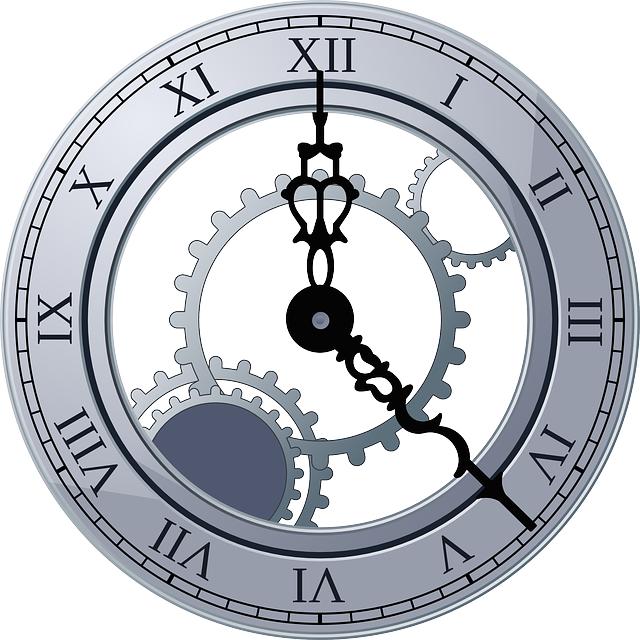
Addressing Common Issues with Mechanical Watches and Troubleshooting Tips
When it comes to mechanical watches, there are a few common issues that watch enthusiasts may encounter. Understanding how these watches work can help in troubleshooting and resolving any problems you may face. Here, we will demystify the mechanism behind these intricate timepieces and provide some tips for troubleshooting.
1. Why is my mechanical watch losing time?
- Check if the watch is fully wound. Mechanical watches need to be wound regularly to maintain accurate timekeeping.
- Ensure the watch is not magnetized, as this can affect the movement’s accuracy.
- If the issue persists, it may be time to have the watch serviced by a professional watchmaker to diagnose and fix any underlying issues.
2. What should I do if my mechanical watch stops ticking?
- Try winding the watch to see if it restarts. If it does not, there may be a problem with the mainspring or balance wheel that requires professional repair.
- Ensure the watch is not exposed to extreme temperatures or shocks, as this can impact its functionality.
- If the watch continues to stop, it is best to take it to a watchmaker for a thorough inspection and repair.
Maintenance Tips for Prolonging the Lifespan of Your Mechanical Watch
In order to ensure your mechanical watch stays in top condition and keeps accurate time for years to come, it is important to follow some maintenance tips. By taking care of your watch, you can prolong its lifespan and prevent potential issues from arising. Here are some tips to keep your mechanical watch running smoothly:
- Regular Cleaning: Periodically clean your watch with a soft cloth to remove any dirt or dust that may have accumulated.
- Avoid Magnetism: Keep your watch away from magnets, as they can affect the accuracy of the movement.
- Wind Your Watch: If your watch is manual-winding, make sure to wind it regularly to keep the movement running smoothly.
- Service Your Watch: It is recommended to have your watch serviced by a professional watchmaker every 3-5 years to ensure it is properly lubricated and functioning correctly.
Closing Remarks
In conclusion, mechanical watches keep time through the intricate interplay of gears, springs, and escapements. The mainspring provides the energy, the balance wheel regulates the flow, and the escapement ensures accurate timekeeping. Understanding the inner workings of a mechanical watch can deepen your appreciation for this timeless piece of craftsmanship. Remember, no matter how advanced technology becomes, the elegance and precision of a mechanical watch will always hold a special place in the world of horology. Thank you for joining us on this journey to demystify the mechanism behind how mechanical watches keep time.
Get our latest guides, news, and insights highlighted in your Google Search & AI Overviews.