How Often Do You Have to Wind an Automatic Watch? Must-Read!
Welcome to our guide on automatic watches! If you’re a watch enthusiast or simply curious about automatic timepieces, you may have wondered: “How often do you have to wind an automatic watch?” In this article, we’ll delve into the fundamentals of automatic watches to provide you with a comprehensive answer to this common question. Whether you’re a seasoned collector or just starting out, you’ll find valuable insights that will help you keep your automatic watch running smoothly. Let’s get started!
Contents
Factors That Influence the Winding Requirement
of an automatic watch can vary depending on the make and model of the timepiece. Here are some key considerations to keep in mind when determining how often you need to wind your watch:
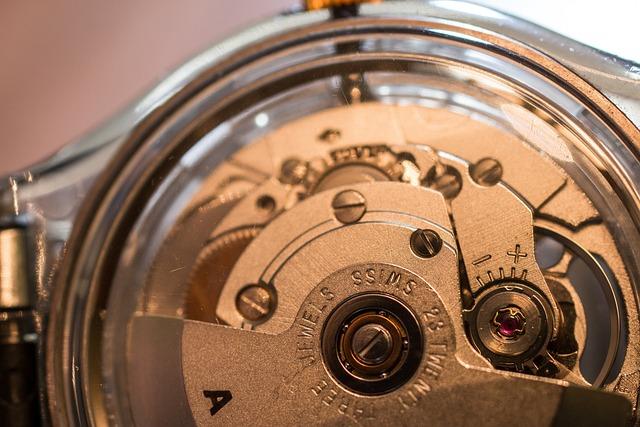
Movement Type: The type of movement in your automatic watch can greatly impact the winding requirement. For example, watches with a manual winding movement will need to be wound more frequently than those with a self-winding movement.
Related: Do You Have to Wind an Automatic Watch? Expert Advice
Power Reserve: The power reserve of a watch refers to how long it can run without being wound. Watches with a longer power reserve will require less frequent winding compared to those with a shorter power reserve.
Wearing Habits: How often you wear your watch can also influence the winding requirement. Regular wear can help keep the watch wound, while infrequent wear may require more frequent winding to ensure the watch stays running smoothly.
- Environmental Factors: Environmental conditions such as temperature and humidity can also affect how often you need to wind your watch. Extreme temperatures or high levels of humidity can cause the watch to run faster or slower, impacting the winding requirement.
Considering these factors can help you determine the best winding schedule for your automatic watch and ensure that it continues to keep accurate time.

Frequency of Winding Based on Watch Type
Automatic watches are a marvel of engineering, using the natural motion of the wearer to power the timepiece. But how often do you actually need to wind an automatic watch? The answer depends on the type of watch you have.
For simple automatic watches, like three-handers with a date complication, you typically need to wind them every 24-48 hours to keep them running smoothly. More complex automatic watches, such as chronographs or watches with additional functions, may require winding every 12-24 hours.
Here’s a general guideline for the :
- Simple automatic watches: Wind every 24-48 hours
- Complex automatic watches: Wind every 12-24 hours
| Watch Type | Frequency of Winding |
|---|---|
| Simple automatic | 24-48 hours |
| Complex automatic | 12-24 hours |

Tips for Properly Winding Your Automatic Watch
Properly winding your automatic watch is essential to ensure its accuracy and longevity. By following these simple tips, you can maintain your watch in top condition for years to come:
– **Consistency is key**: Make it a habit to wind your automatic watch at the same time each day to ensure a consistent power reserve.
– **Avoid overwinding**: Most automatic watches have a built-in mechanism that prevents overwinding, but it’s still important to be gentle and not force the crown when winding.
– **Give it a full wind**: To ensure your watch keeps accurate time, it’s recommended to give it a full wind by turning the crown until you feel resistance, typically around 30 to 40 rotations.
– **Keep it moving**: If you’re not wearing your automatic watch daily, consider using a watch winder to keep it running smoothly and prevent the lubricants from drying out.
Remember, properly winding your automatic watch is a simple yet crucial step in maintaining its performance and longevity. By following these tips, you can enjoy your timepiece for years to come.
Alternatives to Manual Winding for Automatic Watches
Automatic watches are a popular choice for many watch enthusiasts due to their convenience and unique mechanical movement. While manual winding is a traditional method to keep automatic watches running, there are several alternatives available for those who prefer a hands-free approach. Here are some alternative methods to manual winding for automatic watches:
- Wearing the watch regularly: Simply wearing the watch on a daily basis provides enough movement to keep the automatic mechanism powered.
- Using a watch winder: A watch winder is a device that simulates the motion of wearing the watch, keeping the automatic movement active even when it’s not being worn.
- Setting the watch on a watch stand: Placing the watch on a watch stand that rotates periodically can also help keep the automatic movement powered.
By incorporating these alternatives into your watch care routine, you can ensure that your automatic watch stays accurate and running smoothly without the need for manual winding. Experiment with different methods to find the one that works best for you and your watch collection.
To Conclude
In conclusion, understanding how often to wind an automatic watch depends on the specific model and personal habits of the wearer. Generally, wearing the watch daily is sufficient to keep it running smoothly, but occasional winding may be necessary if the power reserve runs out. It’s important to follow the manufacturer’s instructions for care and maintenance to ensure the longevity of your timepiece. By taking proper care of your automatic watch, you can enjoy its reliable performance for years to come. Thank you for reading and happy timekeeping!
Get our latest guides, news, and insights highlighted in your Google Search & AI Overviews.