Mechanical vs Solar Watch: Powering Your Timepiece Choice
When it comes to choosing a watch, there are countless options available to suit every style and need. One of the biggest decisions to make is whether to go with a traditional mechanical watch or a modern solar-powered timepiece. Both options have their own set of advantages and drawbacks, making it essential to weigh the pros and cons before making a decision. In this article, we will explore the differences between mechanical and solar watches, helping you make an informed choice for your next timepiece.
Contents
- Mechanical vs Solar Watch: A Breakdown of Power Sources
- Understanding the Mechanics Behind a Mechanical Watch
- The Benefits of Opting for Solar-Powered Timepieces
- Maintenance and Convenience Considerations for Timepiece Power Sources
- Making an Informed Decision: Factors to Consider When Deciding Between Mechanical and Solar Watches
- Exploring the Future of Watch Technology: Trends in Mechanical and Solar Watches
- Insights and Conclusions
Mechanical vs Solar Watch: A Breakdown of Power Sources
When it comes to choosing a watch, one of the key decisions you’ll need to make is the type of power source it uses. Mechanical and solar watches are two popular options, each with their own unique advantages and drawbacks.
Mechanical Watches:
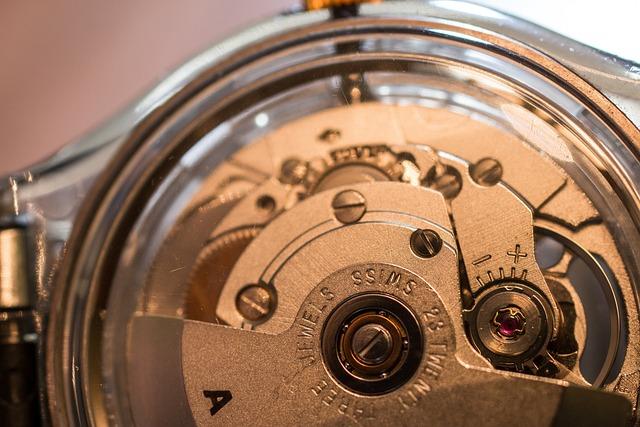
- Powered by a complex system of gears and springs.
- Require regular winding to keep accurate time.
- Known for their craftsmanship and intricate design.
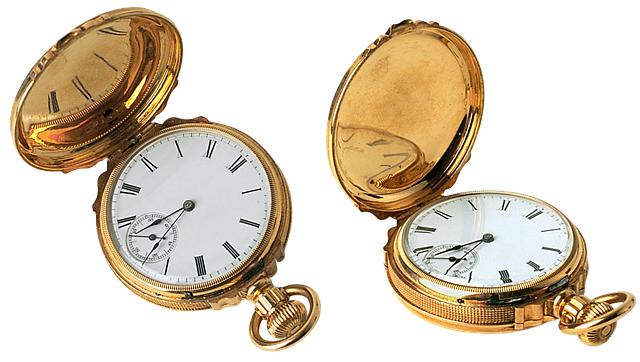
- Considered a traditional and classic choice for watch enthusiasts.
Solar Watches:
- Powered by sunlight or artificial light sources.
- No need for winding or battery replacements.
- Environmentally friendly and sustainable.
- Often feature modern designs and technology.
Ultimately, the choice between a mechanical and solar watch comes down to personal preference. If you appreciate the artistry and history of watchmaking, a mechanical watch may be the right choice for you. On the other hand, if you value convenience and sustainability, a solar watch could be the perfect fit.

Understanding the Mechanics Behind a Mechanical Watch
When it comes to choosing a timepiece, the decision between a mechanical watch and a solar watch can be a tough one. Each type of watch has its unique power source and mechanisms that drive its operation. Let’s delve into the intricacies of both options to help you make an informed choice.
Mechanical Watch:
- Powered by a hand-wound mechanism or automatic movement
- Contains intricate gears, springs, and escapements
- Requires manual winding or wearing to keep it running
- Classic and traditional timekeeping method
Solar Watch:
- Powered by solar panels that convert light into energy
- Typically has a rechargeable battery to store excess energy
- Low maintenance and environmentally friendly
- Modern and practical timekeeping solution
| Mechanical Watch | Solar Watch |
|---|---|
| Classic and traditional | Modern and practical |
| Requires manual winding | Powered by solar panels |
| Intricate gears and springs | Low maintenance |
| Timeless appeal | Environmentally friendly |

The Benefits of Opting for Solar-Powered Timepieces
Solar-powered timepieces offer a plethora of benefits that can make them a compelling choice over traditional mechanical watches. One of the main advantages is the eco-friendly nature of solar watches, as they harness the power of the sun to operate, reducing reliance on traditional batteries. This not only helps to decrease the environmental impact of watch manufacturing but also saves you money in the long run by eliminating the need for frequent battery replacements.
Another key benefit of opting for a solar watch is the convenience it offers. With a solar-powered timepiece, you can say goodbye to the hassle of winding or changing batteries. Simply expose your watch to sunlight regularly, and it will continue to function seamlessly. This makes solar watches a low-maintenance option for those who lead busy lifestyles and don’t want to worry about their timepiece losing power unexpectedly.
In addition to being environmentally friendly and convenient, solar watches are also known for their durability and reliability. Unlike mechanical watches that can be sensitive to external factors like shocks and magnetism, solar watches are typically more resilient and require less maintenance. This means you can enjoy your solar timepiece for years to come without having to constantly worry about its upkeep. Overall, opting for a solar-powered watch can be a smart and sustainable choice that offers both practical and environmental benefits.
Maintenance and Convenience Considerations for Timepiece Power Sources
In the realm of timepiece power sources, there are two main contenders vying for the spotlight: mechanical and solar. Both options have their own set of advantages and maintenance considerations to keep in mind when choosing the right power source for your watch.
**Maintenance Considerations:**
For mechanical watches, regular winding or wearing is needed to keep the watch running smoothly. Over time, these watches may require servicing to ensure optimal performance. On the other hand, solar watches are powered by sunlight and artificial light, making them a low-maintenance option. However, the rechargeable batteries in solar watches may need to be replaced every few years.
**Convenience Considerations:**
Mechanical watches provide a traditional and classic feel, but they require more attention to keep them ticking. Solar watches offer the convenience of never having to worry about winding or replacing batteries, as long as they are exposed to light regularly. They are eco-friendly and sustainable, making them a popular choice for those looking for a hassle-free timepiece option.
When considering the maintenance and convenience factors of timepiece power sources, it ultimately comes down to personal preference and lifestyle. Whether you lean towards the timeless elegance of a mechanical watch or the modern convenience of a solar watch, both options offer unique benefits that cater to different needs.
Making an Informed Decision: Factors to Consider When Deciding Between Mechanical and Solar Watches
When it comes to choosing between a mechanical and solar watch, there are several factors to consider to make an informed decision. Both types of watches have their own unique features and advantages, so it’s important to weigh them carefully before making a choice.
One key factor to consider is the power source of the watch. Mechanical watches are powered by the movement of the wearer’s wrist, while solar watches are powered by sunlight. This means that mechanical watches require regular winding to keep them running, while solar watches can be recharged simply by exposing them to light.
Another factor to consider is the maintenance required for each type of watch. Mechanical watches are intricate pieces of machinery that need to be serviced regularly to ensure they keep accurate time. On the other hand, solar watches are generally low-maintenance and require little to no servicing.
Ultimately, the choice between a mechanical and solar watch comes down to personal preference and lifestyle. If you enjoy the craftsmanship and tradition of mechanical watches and don’t mind the maintenance they require, then a mechanical watch may be the right choice for you. On the other hand, if you prefer a more modern, hassle-free option, then a solar watch could be the perfect choice. Consider these factors carefully to find the timepiece that best suits your needs.

Exploring the Future of Watch Technology: Trends in Mechanical and Solar Watches
When it comes to choosing a timepiece, there are two main types of watches that are currently dominating the market: mechanical and solar watches. Each type comes with its own set of unique features and benefits, making it essential to understand the differences between the two before making your selection.
**Mechanical Watches:**
– Operate solely on mechanical movements, utilizing a wound spring as the power source.
– Offer traditional craftsmanship and intricate designs that appeal to watch enthusiasts.
– Require regular winding to maintain accuracy, typically needing to be wound daily or every few days depending on the model.
– May require servicing by a professional watchmaker every few years to ensure optimal performance.
**Solar Watches:**
– Use a solar panel to convert light into energy, powering the watch’s movement.
– Offer a more eco-friendly and sustainable option compared to traditional battery-powered watches.
– Have a rechargeable battery that can store energy for extended periods, eliminating the need for frequent winding.
– Often come equipped with additional features such as chronographs, alarms, and multiple time zones.
In conclusion, whether you opt for a mechanical watch or a solar watch ultimately depends on your personal preferences and lifestyle. While mechanical watches exude a sense of tradition and craftsmanship, solar watches offer convenience and eco-conscious benefits. Whichever type you choose, both mechanical and solar watches continue to evolve with new technologies, ensuring that the future of watch technology remains exciting and innovative.
Insights and Conclusions
In conclusion, when choosing between a mechanical or solar watch, it ultimately comes down to your personal preferences and lifestyle. Mechanical watches offer a traditional appeal with intricate craftsmanship, while solar watches provide convenience and eco-friendliness. Consider factors such as maintenance, accuracy, durability, and power source when making your decision. Whichever timepiece you choose, both mechanical and solar watches are reliable and stylish options to keep you on time and on trend. Now, go ahead and make a choice that best suits your needs and style. Thank you for reading!
Get our latest guides, news, and insights highlighted in your Google Search & AI Overviews.