Best Mechanical Watch Movement: Precision Engineering at Its Finest
Mechanical watch movements are the epitome of precision engineering, trusted for centuries to keep time with unparalleled accuracy. In this article, we delved into the world of horology to uncover the best mechanical watch movement, where craftsmanship meets innovation to create a timepiece that transcends generations. Join us as we explore the intricate mechanics behind these masterpieces of timekeeping precision.
Contents
- Best Mechanical Watch Movement for Accuracy and Precision
- Understanding the Inner Workings of a Mechanical Watch Movement
- Key Features to Look for in a High-Quality Mechanical Watch Movement
- Comparing Different Types of Mechanical Watch Movements
- Top Recommendations for Mechanical Watch Movements from Leading Brands
- Best Mechanical Watch Movement: Precision Engineering at Its Finest
- The Importance of Craftsmanship and Durability in Mechanical Watch Movements
- Expert Tips for Maintaining and Caring for Your Mechanical Watch Movement
- Key Maintenance Tips for Your Mechanical Watch Movement
- Exploring the History and Evolution of Mechanical Watch Movements
- Investing in a Timeless Piece: Why Mechanical Watch Movements Stand the Test of Time
- To Conclude
Best Mechanical Watch Movement for Accuracy and Precision
When it comes to mechanical watches, accuracy and precision are paramount. The movement of a watch is what drives its timekeeping abilities, and choosing the right movement can make all the difference in ensuring that your timepiece runs smoothly and reliably.
One of the best mechanical watch movements known for its accuracy and precision is the Swiss-made ETA 2824-2 movement. This movement is renowned for its robustness and reliability, making it a popular choice among watch manufacturers looking to create high-quality timepieces.
Another top contender in the world of mechanical watch movements is the Japanese-made Seiko NH35A movement. Known for its consistent accuracy and durability, the NH35A is a favorite among watch enthusiasts and collectors alike.
Whether you prefer the precision engineering of Swiss-made movements or the reliable performance of Japanese movements, choosing the right mechanical watch movement is essential for ensuring that your timepiece stands the test of time.

Understanding the Inner Workings of a Mechanical Watch Movement
When it comes to the inner workings of a mechanical watch movement, precision engineering is truly at its finest. At the heart of every mechanical watch is a meticulously crafted movement that comprises various intricate components working together seamlessly to keep time ticking accurately and reliably.
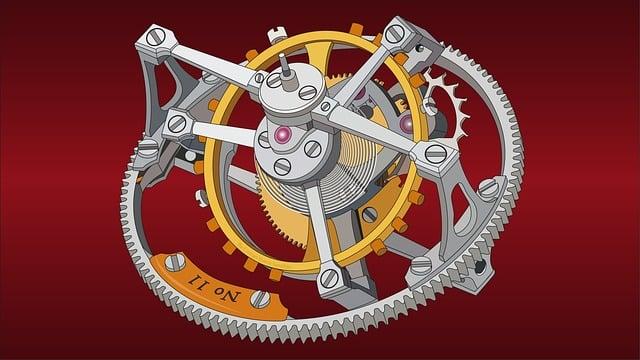
One of the key components of a mechanical watch movement is the escapement. This crucial mechanism is responsible for regulating the release of energy from the mainspring, ensuring that the gears turn at a consistent rate. The escapement consists of the pallet fork and the escape wheel, which work in tandem to control the movement of the gear train.
Another essential element of a mechanical watch movement is the balance wheel. This component oscillates back and forth, driven by the force of the mainspring, and is crucial for maintaining the accuracy of the watch. The balance wheel is paired with the hairspring, which acts as a fine-tuning mechanism to regulate the oscillations of the balance wheel.
Overall, is a fascinating dive into the world of precision engineering. From the escapement to the balance wheel, each component plays a vital role in ensuring the accuracy and reliability of a mechanical watch, making it a true masterpiece of craftsmanship and innovation.
Key Features to Look for in a High-Quality Mechanical Watch Movement
When it comes to choosing a high-quality mechanical watch movement, there are several key features to consider. These features are essential in ensuring that you are investing in a timepiece that is not only durable but also provides accurate timekeeping for years to come.
- Movement Type: Look for movements that are reliable and have a proven track record of accuracy. Swiss movements are known for their precision engineering and craftsmanship.
- Power Reserve: A longer power reserve means that your watch will continue to run even if you don’t wear it for a few days. A power reserve of at least 40 hours is considered ideal.
- Complications: Complications such as chronographs, moon phases, and calendars can enhance the functionality and aesthetic appeal of a mechanical watch.
- Finish and Decoration: Pay attention to the finish and decoration of the movement. A well-finished movement with polished screws, Geneva stripes, and blued screws is a hallmark of quality craftsmanship.
| Feature | Ideal Criteria |
|---|---|
| Movement Type | Swiss movements |
| Power Reserve | 40+ hours |
| Complications | Chronographs, moon phases, calendars |
| Finish and Decoration | Polished screws, Geneva stripes, blued screws |

Comparing Different Types of Mechanical Watch Movements
There are several types of mechanical watch movements available on the market today, each with its own unique characteristics and benefits. Understanding the differences between these movements can help you make an informed decision when choosing the best mechanical watch for your needs.
One popular type of mechanical watch movement is the manual movement, also known as hand-wound movement. With a manual movement, you must regularly wind the watch by turning the crown to keep it running. While this type of movement requires a bit more maintenance, many watch enthusiasts appreciate the traditional feel and connection to the watch that manual movements provide.
Another common type of mechanical watch movement is the automatic movement, also known as self-winding movement. Automatic movements use the motion of the wearer’s wrist to automatically wind the watch, eliminating the need for manual winding. This type of movement is convenient for those who want a low-maintenance option.
For those looking for the pinnacle of precision engineering, luxury mechanical watch movements like the tourbillon or chronograph movements offer exceptional accuracy and craftsmanship. While these movements come at a higher price point, the intricate design and superb functionality make them highly sought after by watch collectors.
Top Recommendations for Mechanical Watch Movements from Leading Brands
Best Mechanical Watch Movement: Precision Engineering at Its Finest
When it comes to choosing a mechanical watch movement, there are several leading brands that consistently deliver exceptional quality and precision engineering. Here are some of the top recommendations:
- Rolex: Known for their meticulously crafted movements, Rolex offers some of the most reliable and accurate mechanical movements in the industry.
- Omega: With a long history of innovation, Omega’s Co-Axial movements are prized for their exceptional performance and longevity.
- Seiko: Seiko’s impressive craftsmanship and attention to detail are evident in their Grand Seiko mechanical movements, which are highly regarded by watch enthusiasts.
- Patek Philippe: Renowned for their high-end timepieces, Patek Philippe’s Caliber 240 movement is a masterpiece of precision engineering.
Whether you’re a seasoned watch collector or a newcomer to the world of mechanical timepieces, choosing a watch with a high-quality movement from a reputable brand is essential for ensuring accuracy and reliability. Consider these to elevate your watch collection to the next level.

The Importance of Craftsmanship and Durability in Mechanical Watch Movements
When it comes to mechanical watch movements, craftsmanship and durability are key factors that separate an exceptional timepiece from an average one. The intricate inner workings of a mechanical watch movement require precision engineering and exceptional attention to detail to ensure optimal performance and longevity.
Each component of a mechanical watch movement is meticulously crafted by skilled artisans who possess a deep understanding of horology. From the mainspring to the escapement mechanism, every part must be expertly designed and assembled to guarantee smooth operation and accurate timekeeping.
Furthermore, durability is paramount in mechanical watch movements. High-quality materials such as stainless steel, sapphire crystal, and ceramic are often used to enhance the robustness and longevity of the timepiece. A well-built mechanical watch movement can withstand the test of time and continue to function flawlessly for generations.
Investing in a mechanical watch with superior craftsmanship and durability not only ensures precise timekeeping but also allows you to appreciate the artistry and engineering behind such a remarkable piece of technology. A fine mechanical watch movement is a testament to the ingenuity and skill of the watchmaker, making it a valuable and timeless accessory for any watch enthusiast.

Expert Tips for Maintaining and Caring for Your Mechanical Watch Movement
Key Maintenance Tips for Your Mechanical Watch Movement
Keeping your mechanical watch movement in top condition is essential for ensuring its longevity and accuracy. Here are some expert tips to help you maintain and care for your prized timepiece:
- Regular Servicing: Schedule regular maintenance with a qualified watchmaker to keep your movement running smoothly.
- Avoid Magnetism: Keep your watch away from magnetic fields to prevent interference with its delicate inner workings.
- Protect from Water Damage: Ensure your watch is water-resistant and avoid exposing it to excessive moisture.
- Store Properly: When not in use, store your watch in a cool, dry place to prevent dust and debris from affecting its performance.
By following these simple tips, you can enjoy your mechanical watch movement for years to come and appreciate the precision engineering that goes into each tick and tock.

Exploring the History and Evolution of Mechanical Watch Movements
When it comes to the world of timekeeping, mechanical watch movements stand out as a testament to precision engineering and masterful craftsmanship. These intricate mechanisms have a rich history that dates back centuries, evolving over time to become the pinnacle of watchmaking excellence. Let’s delve into the fascinating journey of mechanical watch movements and how they have shaped the world of horology.
From the early days of clockwork mechanisms to the modern era of high-tech movements, the evolution of mechanical watches has been a tale of innovation and ingenuity. Watchmakers have constantly pushed the boundaries of what is possible, refining and perfecting their craft to create timepieces that are not only accurate but also works of art in their own right. Each component of a mechanical movement plays a vital role in ensuring precise timekeeping, from the mainspring and gears to the escapement and balance wheel.
Throughout history, iconic watch brands have made significant contributions to the development of mechanical watch movements. Companies like Rolex, Omega, and Patek Philippe have set the standard for excellence in horology, producing movements that are revered for their reliability and accuracy. The attention to detail and meticulous craftsmanship that goes into creating these movements is truly awe-inspiring, making mechanical watches a timeless symbol of luxury and sophistication.

Investing in a Timeless Piece: Why Mechanical Watch Movements Stand the Test of Time
When it comes to investing in a timeless piece, mechanical watch movements truly stand the test of time. These intricate and precise mechanisms have been a staple in the watchmaking industry for centuries, and for good reason. The craftsmanship and detail that go into creating a mechanical movement are unmatched by their quartz counterparts. Mechanical watch movements offer a level of precision engineering that is truly unparalleled.
One of the key reasons why mechanical watch movements are so highly regarded is their longevity. With proper care and maintenance, a mechanical watch can last for generations, becoming a cherished heirloom for your family. The intricate balance of gears, springs, and escapements in a mechanical movement work together seamlessly to keep time accurately, day after day.
Another advantage of mechanical watch movements is their aesthetic appeal. The visible gears and balance wheels provide a mesmerizing display of craftsmanship that quartz movements simply cannot replicate. The intricate inner workings of a mechanical movement are a work of art in themselves, adding a touch of sophistication and elegance to any timepiece.
To Conclude
In conclusion, when it comes to choosing the best mechanical watch movement, precision engineering truly shines. From the intricate craftsmanship to the precise timekeeping, mechanical movements are a testament to the artistry and skill of watchmakers. Key takeaways include the importance of considering both the type of movement (such as automatic or manual) and the brand reputation when selecting a watch. By investing in a timepiece with a quality mechanical movement, you are not only getting a beautiful accessory but also a piece of precision engineering that will last for generations to come. Choose wisely and enjoy the unparalleled craftsmanship of mechanical watch movements.
Get our latest guides, news, and insights highlighted in your Google Search & AI Overviews.