Do Automatic Watches Tick? Sound Mechanics Explained
Have you ever wondered why automatic watches make that distinct ticking sound? In this article, we will delve into the fascinating world of watch mechanics to explain why automatic watches tick. By understanding the intricate processes at play, you’ll gain a newfound appreciation for the artistry and precision involved in keeping time. Let’s unravel the mysteries behind the rhythmic pulse of automatic watches.
Contents
- What Makes an Automatic Watch Tick?
- Exploring the Sounds Produced by Automatic Watches
- Distinguishing Between Normal Ticking and Unusual Sounds in Automatic Watches
- Tips for Maintaining the Smooth and Consistent Ticking of Your Automatic Watch
- Common Issues with Automatic Watch Mechanics and How to Address Them
- Recommended Practices for Ensuring Your Automatic Watch Continues to Tick Accurately
- The Importance of Regular Servicing for the Longevity of Automatic Watches
- In Summary
What Makes an Automatic Watch Tick?
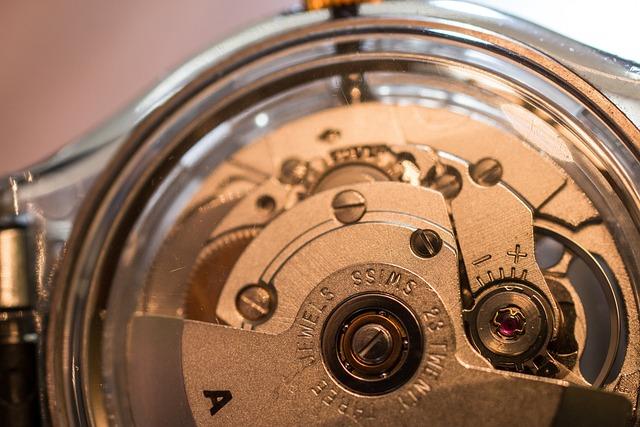
Automatic watches do indeed tick, but not in the same way as a quartz watch. An automatic watch ticks due to the movement of the rotor, which winds the mainspring and powers the watch. This movement creates a subtle ticking sound that is often associated with the mechanical charm of automatic watches.
Related: Do Automatic Watches Make Noise? Noise Level Explained
Unlike quartz watches that have a second hand that moves in individual increments, automatic watches have a sweeping second hand that glides smoothly around the dial. This is because automatic watches have a high beat movement, typically around 28,800 vibrations per hour, which allows for a more precise and accurate timekeeping experience.
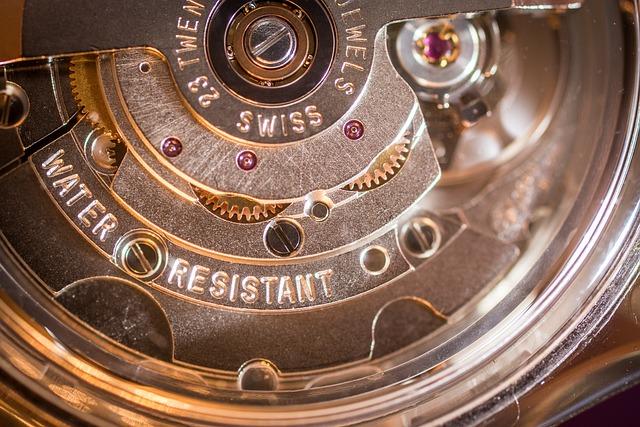
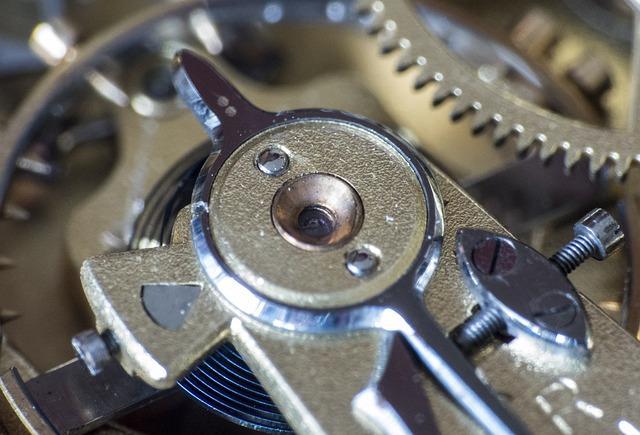
The intricate mechanics of an automatic watch involve many small components working together to keep time accurately. From the escapement mechanism to the balance wheel, each part plays a crucial role in ensuring the watch ticks correctly. This attention to detail and craftsmanship is what sets automatic watches apart from their quartz counterparts.
Exploring the Sounds Produced by Automatic Watches
Automatic watches are a marvel of engineering, often admired for their intricate movements and timeless elegance. But have you ever stopped to listen to the sounds produced by these mechanical wonders? Contrary to popular belief, automatic watches do not actually tick like traditional quartz watches. Instead, they produce a series of subtle and rhythmic sounds that are a result of their mechanical components working together harmoniously.
One of the most prominent sounds you may hear from an automatic watch is the gentle whirring of the rotor as it winds the mainspring. This is a soothing sound that signifies the watch is functioning as it should. Additionally, you may also hear the clicking of the gears as they engage with each other, providing a symphony of mechanical movement that is truly mesmerizing to listen to.
It’s important to note that the sounds produced by automatic watches can vary depending on the brand, model, and age of the timepiece. Some watches may have a louder or softer ticking sound, while others may have a more high-pitched or low-pitched whirring noise. Regardless of the specific sounds your watch may produce, each one is a testament to the intricate craftsmanship and precision engineering that goes into making automatic watches.
Distinguishing Between Normal Ticking and Unusual Sounds in Automatic Watches
When it comes to automatic watches, the ticking sound can often be a point of confusion for many watch enthusiasts. While some may assume that all automatic watches tick like quartz watches, the reality is a bit more complex. Here, we will delve into the mechanics of automatic watches to help you distinguish between normal ticking and unusual sounds.
Normal Ticking Sounds:
- Automatic watches typically have a sweeping second hand movement, resulting in a smooth ticking sound.
- The ticking in automatic watches is usually consistent and rhythmic, reflecting the precision of the movement.
- Normal ticking sounds indicate that the watch is functioning properly and keeping accurate time.
Unusual Sounds to Watch Out For:
- Loud or irregular ticking can be a sign of a problem with the movement or parts of the watch.
- Rattling or grinding noises could indicate loose components or damage to the internal mechanisms.
- If you notice any unusual sounds coming from your automatic watch, it is best to have it inspected by a professional watchmaker.
Tips for Maintaining the Smooth and Consistent Ticking of Your Automatic Watch
Automatic watches rely on the movement of the wearer’s wrist to keep time, so it’s important to ensure that your watch is operating smoothly and consistently. Here are some tips to help maintain the smooth ticking of your automatic watch:
- Regular Wear: The more you wear your automatic watch, the better it will perform. Make sure to wear it for at least 8-10 hours a day to keep it properly wound.
- Watch Winder: If you have multiple watches in your collection, consider investing in a watch winder to keep your automatic watches ticking when you’re not wearing them.
- Regular Servicing: It’s recommended to have your automatic watch serviced every 3-5 years to ensure that it continues to operate smoothly and accurately.
By following these tips, you can help maintain the smooth and consistent ticking of your automatic watch for years to come.
Common Issues with Automatic Watch Mechanics and How to Address Them
When it comes to automatic watches, there are a few common issues that can arise with the mechanics. One of the most frequently asked questions is whether automatic watches tick. The answer is yes, they do tick, but it’s not as pronounced as with quartz watches due to the smooth sweeping motion of the second hand.
If your automatic watch is ticking loudly, it could be a sign that the movement needs to be serviced. Dust and debris can accumulate over time, causing the watch to tick louder than usual. In this case, it’s best to take your watch to a professional watchmaker for cleaning and maintenance.
Another common issue with automatic watch mechanics is inaccurate timekeeping. This could be due to magnetization, poor regulation, or even a worn-out component. To address this, you can try demagnetizing your watch or adjusting the regulation screws. If the issue persists, it’s recommended to have your watch inspected by a professional.
In conclusion, while automatic watches do tick, any unusual ticking sounds or inaccurate timekeeping should be addressed promptly to ensure the longevity and accuracy of your timepiece.
Recommended Practices for Ensuring Your Automatic Watch Continues to Tick Accurately
Keeping your automatic watch ticking accurately requires a few recommended practices to ensure its longevity and precision. Here are some tips to help you maintain the accuracy of your timepiece:
- Regular Winding: Make sure to wind your automatic watch regularly to keep it running smoothly. This will help prevent any time discrepancies due to lack of power.
- Avoid Extreme Temperatures: Extreme hot or cold temperatures can affect the lubricants in your watch, causing it to run too fast or too slow. Keep your watch in a moderate environment to maintain accuracy.
- Service Your Watch: It is recommended to service your automatic watch every 3-5 years to ensure that all components are in good working condition. This will help prevent any issues that may affect accuracy.
- Store Properly: When not wearing your watch, store it in a watch box or case to protect it from dust, moisture, and other factors that could impact its accuracy.
The Importance of Regular Servicing for the Longevity of Automatic Watches
In order to ensure the longevity of your automatic watch, regular servicing is absolutely essential. These intricate timepieces contain many moving parts that need to be properly maintained in order to function correctly. Servicing your watch will not only keep it running smoothly, but it can also help to prevent potential damage from occurring.
During a service appointment, a skilled watchmaker will disassemble the watch, clean each component, lubricate the moving parts, and make any necessary repairs. This meticulous process helps to prevent wear and tear on the watch’s components and ensures that it continues to keep accurate time.
By regularly servicing your automatic watch, you can help to extend its lifespan and maintain its value. Think of it as regular maintenance for a car – taking care of your watch will help it to run smoothly for years to come.
Don’t wait until your watch starts to show signs of trouble – schedule regular servicing appointments to keep your automatic watch ticking perfectly.
In Summary
In conclusion, automatic watches do indeed tick, but the sound is much quieter and less distinct compared to quartz watches. The ticking noise is a result of the intricate mechanical movements within the watch, which serve to keep the time accurately. Understanding the mechanics behind these iconic timepieces can deepen your appreciation for their craftsmanship and precision. So next time you hear that subtle ticking sound, you’ll know it’s just your automatic watch doing its job flawlessly. Keep enjoying your timepieces and revel in the beauty of mechanical precision!
Get our latest guides, news, and insights highlighted in your Google Search & AI Overviews.