Unveiling Precision: Best Automatic Watch Movements Guide
Are you ready to delve into the fascinating world of automatic watch movements? In this comprehensive guide, we’ll unveil the precision behind the best automatic watch movements available on the market today. From the intricate inner workings to the standout features, we have all the information you need to become an informed watch enthusiast. Let’s dive in and discover the mastery behind these mechanical marvels.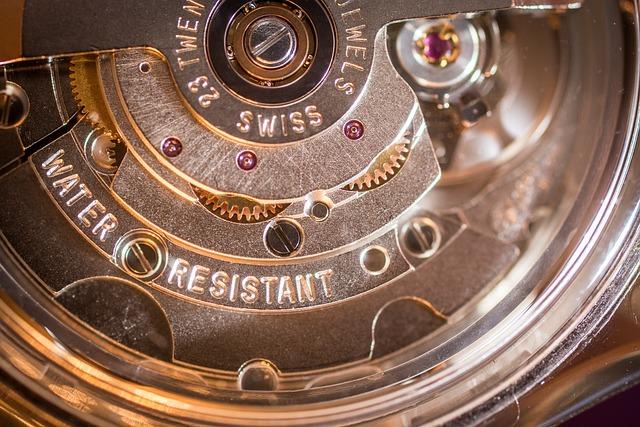
Contents
- Introduction to Automatic Watch Movements
- Exploring the Mechanics of Automatic Watches
- Comparing Different Types of Automatic Movements
- Top Brands Known for Superior Automatic Watch Movements
- Understanding the Accuracy of Automatic Movements
- Challenges of Maintaining Precision in Automatic Watches
- Tips for Choosing the Best Automatic Movement for Your Needs
- Advantages of Investing in a High-Quality Automatic Watch Movement
- How to Properly Care for Your Automatic Watch to Ensure Longevity
- Proper Care for Your Automatic Watch
- Wrapping Up
Introduction to Automatic Watch Movements
Automatic watch movements are a marvel of engineering, combining timeless craftsmanship with cutting-edge technology to deliver unparalleled precision and reliability. These movements are at the heart of every automatic watch, silently ticking away to keep perfect time without the need for batteries or manual winding.
One of the key components of automatic watch movements is the rotor, a weight that swings freely with the motion of the wearer’s wrist, winding the watch’s mainspring. This ingenious mechanism allows the watch to self-wind as it is worn, ensuring that it is always ready to keep time accurately.
There are several types of automatic watch movements, each with its own unique characteristics and advantages. Some of the most popular movements include the ETA 2824, known for its robustness and accuracy, and the Seiko NH35A, prized for its affordability and reliability.
Whether you are a seasoned watch enthusiast or just beginning your journey into the world of automatic watches, understanding the nuances of automatic watch movements is essential. Join us as we delve into the intricate workings of these remarkable timepieces and discover the artistry and precision that make automatic watch movements so special.

Exploring the Mechanics of Automatic Watches
Automatic watches are a marvel of engineering, combining traditional craftsmanship with modern technology to create timepieces that are both accurate and reliable. At the heart of these watches are intricate movements that are truly a work of art. These movements are responsible for powering the watch, ensuring that it keeps accurate time and functions smoothly.
There are several types of automatic watch movements, each with its own unique features and characteristics. Some of the best automatic watch movements include:
- Swiss Automatic Movements: Known for their precision and reliability, Swiss automatic movements are highly sought after in the watchmaking industry.
- Japanese Automatic Movements: Renowned for their craftsmanship and innovation, Japanese automatic movements are often used by leading watch brands around the world.
- German Automatic Movements: German automatic movements are praised for their attention to detail and precision engineering, making them a popular choice among watch enthusiasts.
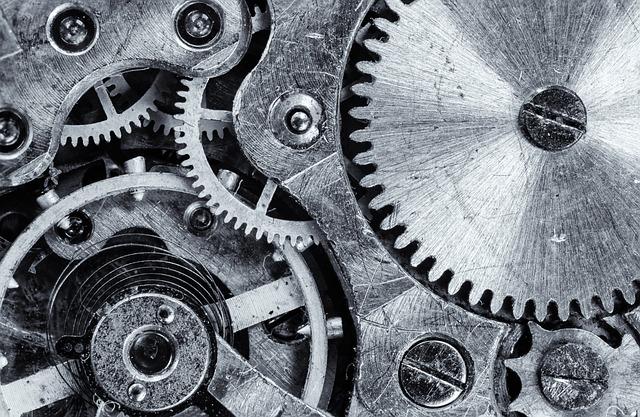
Regardless of the type of movement, all automatic watches share the same basic principles of operation. As the wearer moves their wrist, a rotor inside the watch rotates, winding the mainspring and storing energy. This energy is then released at a consistent rate, powering the gears that drive the hands of the watch. The result is a timepiece that is both accurate and reliable, requiring little maintenance to keep it running smoothly.

Comparing Different Types of Automatic Movements
When it comes to automatic watch movements, there are several different types to consider. Each type has its own unique characteristics and features that may appeal to different individuals based on their preferences. Let’s take a closer look at the most popular automatic movements on the market:
- ETA 2824-2: Known for its reliability and accuracy, the ETA 2824-2 is a workhorse movement that is commonly found in many Swiss-made watches. It has a power reserve of approximately 38 hours and is widely regarded as a solid choice for everyday wear.
- Seiko NH35A: The Seiko NH35A is a Japanese automatic movement that is highly respected for its durability and precision. With a power reserve of around 41 hours, this movement is often used in dive watches due to its robust construction.
- Swiss Made Sellita SW200: Comparable to the ETA 2824-2, the Sellita SW200 is a Swiss-made automatic movement that offers excellent accuracy and performance. It is a popular choice for watch enthusiasts looking for a reliable and precise movement.
Ultimately, the best automatic movement for you will depend on your specific requirements and preferences. Whether you value Swiss craftsmanship, Japanese precision, or robust durability, there is a wide range of automatic movements to choose from that cater to different needs.

Top Brands Known for Superior Automatic Watch Movements
When it comes to automatic watch movements, certain brands have gained a reputation for producing superior quality mechanisms that are known for their precision and reliability. These brands have invested years of research and craftsmanship into perfecting their automatic movements, setting them apart from the competition.
One such brand is Rolex, a pioneer in the world of luxury watches. Rolex watches are renowned for their high-quality automatic movements, which are meticulously crafted in-house by expert watchmakers. The brand’s movements are known for their accuracy and durability, making them a top choice for watch enthusiasts around the world.
Omega is another brand that is highly regarded for its automatic watch movements. The Swiss watchmaker has a long history of producing high-precision movements that are certified as chronometers. Omega’s movements are known for their innovative technology and exceptional performance, making them a favorite among collectors.
Seiko is a Japanese brand that has gained recognition for its affordable yet reliable automatic movements. Seiko’s movements are known for their accuracy and efficiency, making them a popular choice for both casual wearers and serious watch aficionados. The brand offers a wide range of automatic movements, from entry-level to high-end options, catering to a diverse audience.
Understanding the Accuracy of Automatic Movements
When it comes to automatic watch movements, accuracy is a top priority for watch enthusiasts. Automatic movements, also known as self-winding movements, are powered by the natural motion of the wearer’s wrist. This unique feature sets automatic watches apart from their quartz counterparts, but it also raises questions about their accuracy.
Contrary to popular belief, automatic movements can be just as accurate as quartz movements, if not more so. The precision of an automatic movement depends on several factors, including the quality of the movement itself, the craftsmanship of the watchmaker, and the wearer’s habits and lifestyle.
One key factor that influences the accuracy of an automatic movement is the frequency at which it beats. Most automatic movements beat at a frequency of 28,800 vibrations per hour, which translates to 8 beats per second. This high frequency allows for smoother movement and more precise timekeeping.
Additionally, the use of high-quality materials and innovative technologies, such as anti-magnetic shields and shock absorbers, can further enhance the accuracy of automatic movements. These advancements help protect the movement from external factors that could disrupt its precision, ensuring that your automatic watch keeps perfect time for years to come.

Challenges of Maintaining Precision in Automatic Watches
When it comes to automatic watches, precision is key. However, there are several challenges that watchmakers face when trying to maintain this precision. One of the main challenges is the intricate nature of the movements within automatic watches. These movements are made up of hundreds of tiny components that must work together flawlessly in order for the watch to keep accurate time.
Another challenge is the impact of external factors on the accuracy of automatic watches. Factors such as temperature changes, magnetic fields, and even the way the watch is worn can all affect its precision. This is why it is important for automatic watch owners to take good care of their timepieces and have them serviced regularly.
Despite these challenges, there are ways to ensure that your automatic watch maintains its precision. Investing in a high-quality watch from a reputable brand, storing it properly when not in use, and having it serviced by a professional watchmaker are all essential steps in keeping your automatic watch running accurately.
By understanding the and taking the necessary precautions, you can enjoy the beauty and functionality of these intricate timepieces for years to come.

Tips for Choosing the Best Automatic Movement for Your Needs
When it comes to choosing the best automatic movement for your watch, there are several factors to consider. Whether you’re a casual wearer looking for precision or a watch connoisseur seeking the latest in horological technology, selecting the right movement is crucial. Here are some tips to help you make an informed decision:
- Consider the brand reputation: Look for well-known watch brands with a history of producing high-quality movements.
- Think about your needs: Are you looking for a simple time-only movement or do you want additional complications like a chronograph or moon phase?
- Check the power reserve: Make sure the movement has an adequate power reserve to keep your watch running smoothly without constant winding.
- Research the movement type: Whether it’s a Swiss, Japanese, or German movement, each has its own unique characteristics and performance.
By taking these factors into account, you can find the perfect automatic movement that meets your needs and exceeds your expectations. Remember, a quality movement is the heart of a watch, so choose wisely to ensure accuracy and reliability.

Advantages of Investing in a High-Quality Automatic Watch Movement
Investing in a high-quality automatic watch movement comes with a multitude of advantages that elevate your timepiece to the next level of precision and reliability. One of the most notable benefits is the exceptional craftsmanship that goes into the creation of these movements. Each component is meticulously designed and manufactured with precision, ensuring that your watch functions flawlessly for years to come.
Another advantage of a high-quality automatic watch movement is the superior accuracy it provides. These movements are built with advanced technology and fine-tuned to minimize time deviations, allowing you to trust your watch to keep time with unparalleled precision. Whether you’re a watch enthusiast or simply appreciate the art of horology, investing in a high-quality movement will enhance your overall experience with your timepiece.
Additionally, automatic watch movements are known for their durability and longevity. The meticulous construction and attention to detail in these movements ensure that they can withstand the test of time, proving to be a worthwhile investment in the long run. With proper care and maintenance, a high-quality automatic watch movement can last for generations, becoming a treasured heirloom that tells a story of craftsmanship and precision.
In summary, the are clear – unparalleled precision, superior accuracy, durability, and longevity. These movements are a testament to the artistry and craftsmanship of horology, allowing you to enjoy your timepiece with confidence and appreciation for the intricate mechanics that drive it.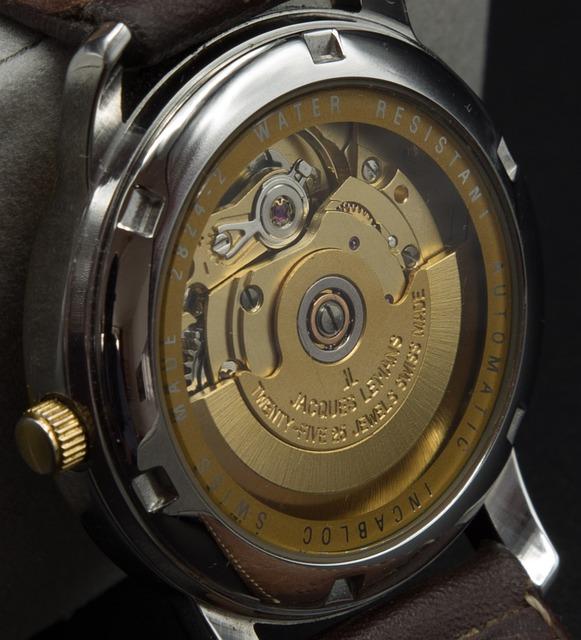
How to Properly Care for Your Automatic Watch to Ensure Longevity
Proper Care for Your Automatic Watch
Automatic watches are intricate timepieces that require proper care to ensure longevity and accurate timekeeping. By implementing a few simple maintenance practices, you can extend the life of your automatic watch and keep it running smoothly for years to come.
Here are some tips on how to properly care for your automatic watch:
- Regular Servicing: It is recommended to have your automatic watch serviced every 3-5 years by a professional watchmaker. This includes cleaning, oiling, and checking for any potential issues.
- Avoid Magnets: Keep your automatic watch away from strong magnets as they can affect the movement and accuracy of the watch.
- Water Resistance: Ensure that your watch is water-resistant and only expose it to water if it is rated for it. Avoid wearing it in the shower or while swimming unless it is specifically designed for such activities.
- Storage: When not wearing your automatic watch, store it in a watch box or case to protect it from dust, moisture, and impacts.
Wrapping Up
In conclusion, selecting the right automatic watch movement can greatly improve the accuracy and performance of your timepiece. Whether you prioritize durability, precision, or complexity, understanding the key differences between movements is essential. From the reliable simplicity of the ETA 2824-2 to the innovative craftsmanship of the Jaeger-LeCoultre Calibre 925, there are many options to choose from. By considering your needs and preferences, you can find the perfect automatic watch movement that matches your style and enhances your overall experience. Remember, knowledge is key when it comes to unveiling precision in the world of horology.
Get our latest guides, news, and insights highlighted in your Google Search & AI Overviews.